Explore the top scenic spots in Malaysia with UAK Travel. From majestic mosques to historical Islamic landmarks, we guide you through the most iconic cultural and religious destinations in Malaysia and Southeast Asia. Discover breathtaking architecture, rich heritage, and the beauty of Malaysia's Islamic culture.
Discover the beauty and history of Malaysia’s most iconic mosques with UAK Travel. Our blog provides in-depth guides, travel tips, and insights into the Islamic heritage of Malaysia and Southeast Asia. Whether you're exploring majestic mosques or learning about Islamic culture, we help you plan the perfect religious and cultural journey.
Explore the beauty of Malaysian mosques at night. Learn about the architecture, cultural significance, and how to respect these sacred spaces. Plan your trip with UAK Travel.
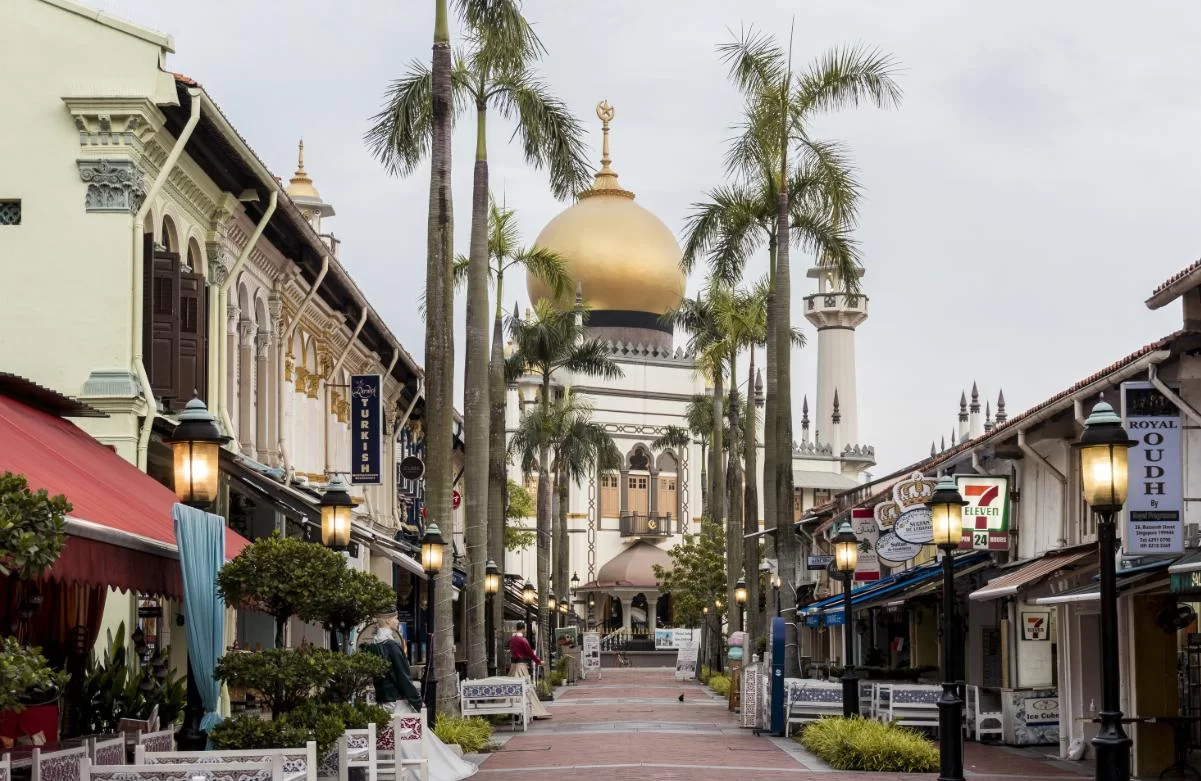
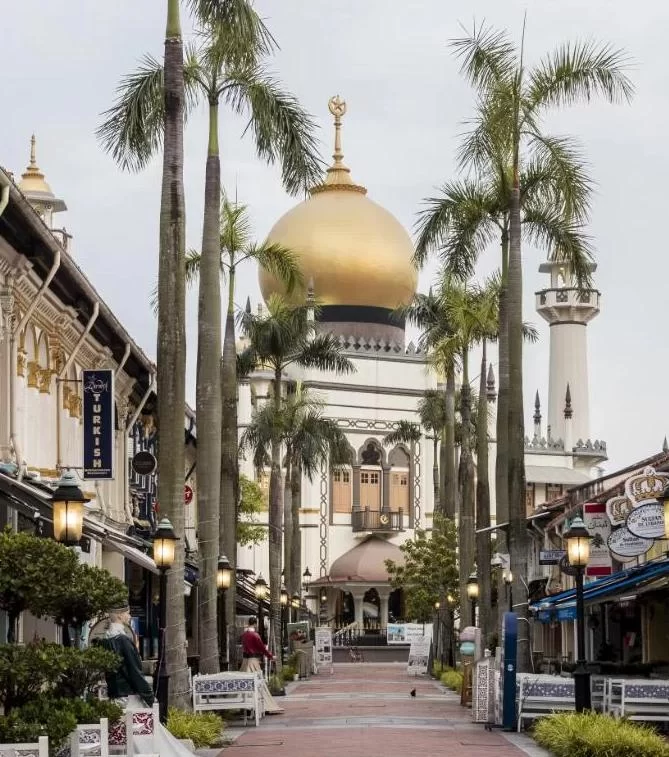
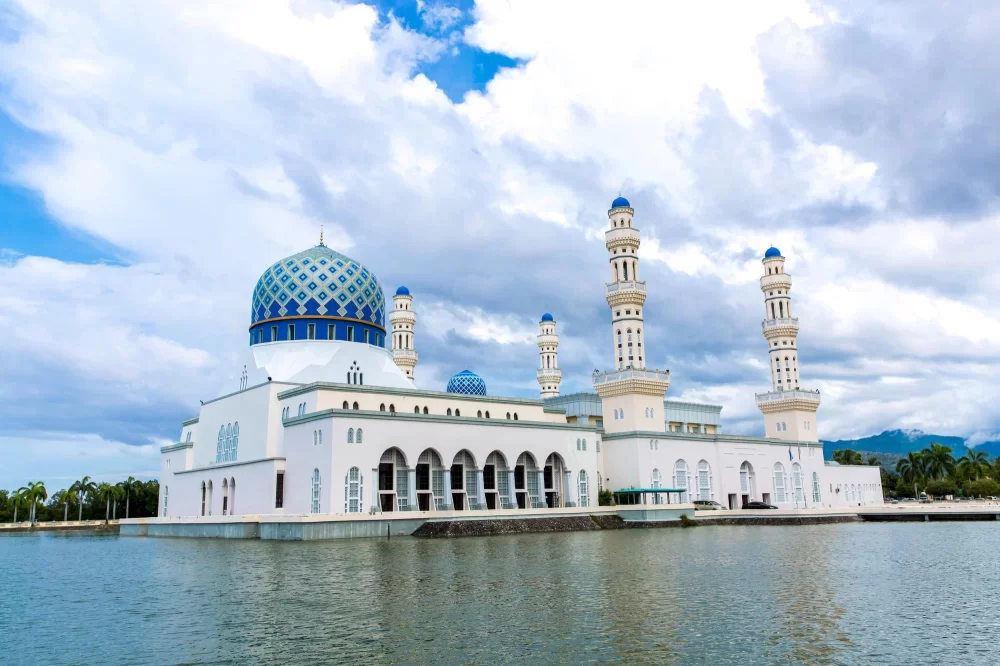
Discover how some mosques in Malaysia tell the stories of migration, trade, and cultural fusion. Learn about their role in the region’s rich history of cultural exchange.Exploring the Cultural and Historical Significance of Mosques in MalaysiaIn the diverse and vibrant country of Malaysia, mosques are not only places of worship but also rich historical landmarks that tell the stories of migration, trade, and cultural fusion. These architectural marvels serve as silent witnesses to the flow of people, goods, and ideas that have shaped the nation's history. In particular, several mosques in Malaysia offer a glimpse into how these factors contributed to the cultural melting pot that is present today.From the bustling streets of Kuala Lumpur to the serene islands off the coast of Penang, mosques in Malaysia embody the deep cultural exchange that occurred as a result of trade routes and migration patterns over centuries. In this article, we will explore how these mosques have become symbols of cultural fusion and reflect the diverse historical influences of the region.1. The Role of Mosques in Malaysia’s History of Migration and TradeThe story of Malaysia’s mosques is intricately linked to the region's history of migration and trade. As a strategic location along ancient maritime trade routes, Malaysia became a crossroads for traders from across the world, including India, China, Arabia, and Southeast Asia. This influx of diverse cultures and religions profoundly influenced the architectural and cultural development of Malaysia’s mosques.1.1 Early Muslim Influence and the Arrival of IslamIslam began to make its way to Malaysia through trade routes, particularly with merchants from the Arabian Peninsula and India. As these traders settled in Malaysia, they built mosques to serve as religious and community centers. The earliest mosques in Malaysia, such as the Kampung Kling Mosque in Melaka, reflect the Islamic architecture brought by Indian and Arabian traders, blending local building materials with foreign design elements.1.2 Trade and Cultural FusionThroughout Malaysia’s history, the arrival of traders, explorers, and migrants has led to the fusion of local traditions with external influences. For example, the famous Masjid Jamek in Kuala Lumpur, located at the confluence of the Gombak and Klang rivers, showcases a blend of Moorish, Indo-Saracenic, and Malay architectural styles. This fusion reflects the merging of local Malay culture with Islamic traditions introduced through trade.2. Prominent Mosques and Their Historical SignificanceThere are several iconic mosques across Malaysia that stand as testaments to the historical flow of people and ideas. These mosques not only serve as places of worship but also as cultural landmarks that reflect the region’s rich and diverse past.2.1 Masjid Jamek Kuala LumpurLocated in the heart of Kuala Lumpur, the Masjid Jamek is one of the oldest and most architecturally significant mosques in Malaysia. Built in 1909, its design combines Islamic, Moorish, and Malay architectural styles. The mosque’s construction was influenced by the British colonial period and represents the cultural fusion that characterized the early 20th century in Malaysia. As a symbol of unity, it stands at the meeting point of the Klang and Gombak rivers, which historically served as crucial trade routes.2.2 Kampung Kling Mosque, MalaccaThe Kampung Kling Mosque in Malacca is another prime example of how the convergence of different cultures has shaped Malaysia’s religious architecture. Dating back to the 18th century, this mosque exhibits a distinct blend of Malay, Chinese, and Islamic design elements. The Chinese-style pagoda minaret, along with the wooden structure, is a reminder of the Chinese-Malay cultural exchange that took place during the time of European colonial influence.3. How Mosques Preserve Local History and HeritageMosques are not just places of worship; they also serve as repositories of local history and heritage. Through their architecture, inscriptions, and community involvement, mosques tell the stories of the people who built them, worshipped in them, and used them as centers of learning and community activity.3.1 The Role of Mosques in Preserving Local Languages and TraditionsMany mosques in Malaysia have preserved local languages and cultural practices. For example, religious texts in Malay and Arabic are often used in the mosques, alongside traditional chants and prayers that have been passed down through generations. In some regions, community gatherings held at mosques also reflect the local customs and practices that have been influenced by both indigenous cultures and Islamic traditions.3.2 Educational and Cultural CentersBeyond their religious functions, many mosques in Malaysia also serve as educational and cultural centers. They host Quranic schools, community events, and cultural exhibitions that teach the younger generation about the history and cultural significance of their faith. This educational role has helped preserve the unique fusion of local and Islamic culture throughout the years.4. The Impact of Mosques on Tourism and Cultural AwarenessThe historical and architectural significance of mosques has contributed to their growing popularity as tourist destinations. Visitors from around the world come to admire the stunning designs and to learn about the cultural history they represent. These mosques provide an opportunity for tourists to gain deeper insights into Malaysia’s cultural fusion and the pivotal role that migration and trade have played in shaping the country’s identity.4.1 Cultural Heritage and Tourism in MalaysiaAs a country rich in history and culture, Malaysia’s mosques attract both local and international tourists who are eager to explore the legacy of the nation’s diverse cultural influences. The architectural beauty, coupled with the historical narratives of migration and trade, offers visitors an enriching experience. Tourists can explore the sites while learning about the multicultural influences that have shaped the country’s spiritual, social, and cultural landscape.4.2 Preservation Efforts for Future GenerationsEfforts to preserve the mosques and their historical significance are essential to ensure that future generations can continue to learn from these cultural treasures. Local authorities, religious organizations, and conservationists are working to maintain the integrity of these mosques and safeguard their architectural and cultural legacies.5. ConclusionMosques in Malaysia do more than just serve as places of worship; they are living testaments to the country’s rich history of migration, trade, and cultural fusion. By understanding the historical significance of these mosques, we gain a deeper appreciation for the diverse cultural influences that have shaped Malaysia into the nation it is today.If you’re planning a visit to Malaysia, don’t miss the opportunity to explore these architectural and cultural gems. To learn more about traveling to Malaysia and experiencing its rich history, check out UAK Travel for the best tours and travel experiences.

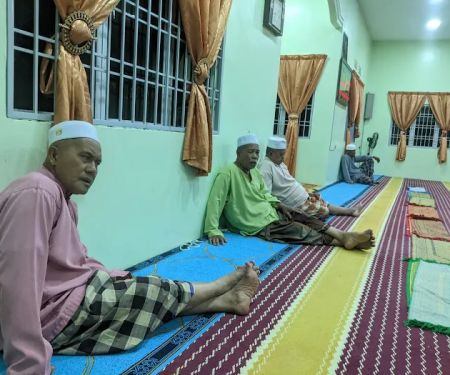 Surau Al-Ikhsan5.0 (1 reviews)
 Surau Nurul Falah Taman Bersatu4.0 (14 reviews)
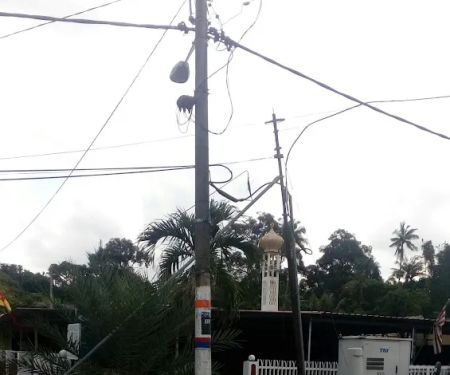 Masjid Jamek Al-Hikmah Kuang4.0 (89 reviews)
 Surau 'Ukasyah4.0 (27 reviews)
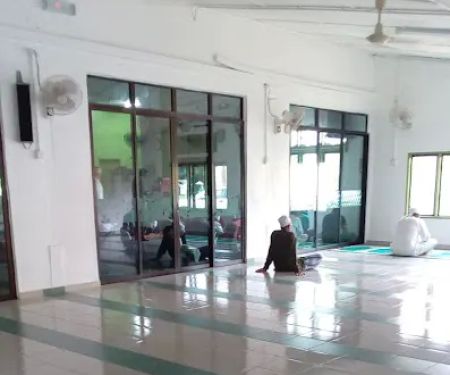 Masjid Al-Fattah Batu Tiga4.0 (46 reviews)
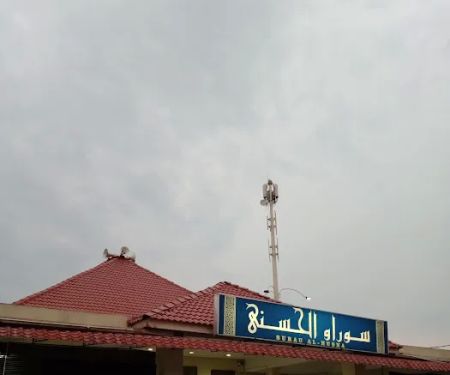 Surau Al-Husna (Surau Solat Jumaat)4.0 (70 reviews)
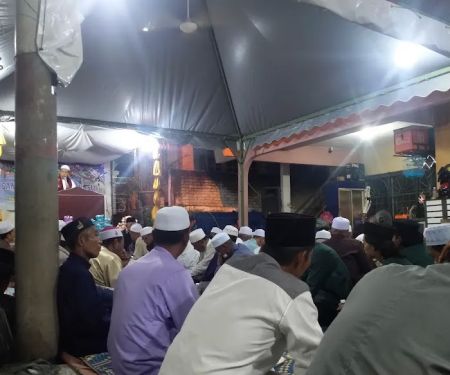 Surau Pinggiran 25.0 (1 reviews)
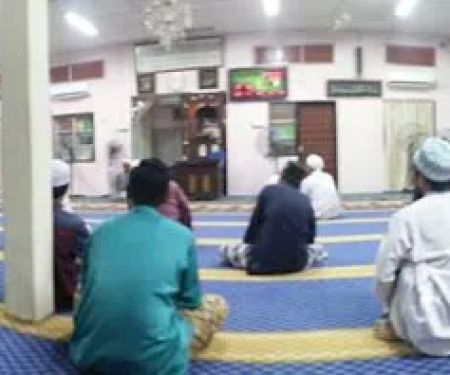 Masjid Kampung Buntut Pulau4.0 (24 reviews)
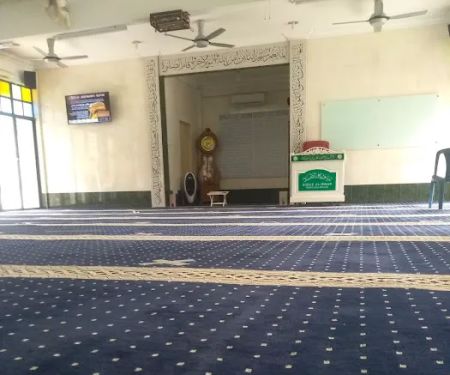 Surau Al-Ihsan Taman Desa Minang4.0 (26 reviews)
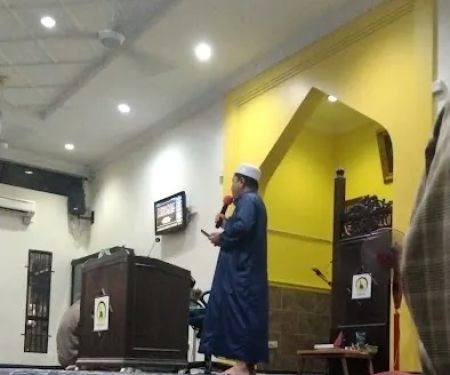 Surau Raudhatul Jannah, Apartment Cempaka4.0 (17 reviews)
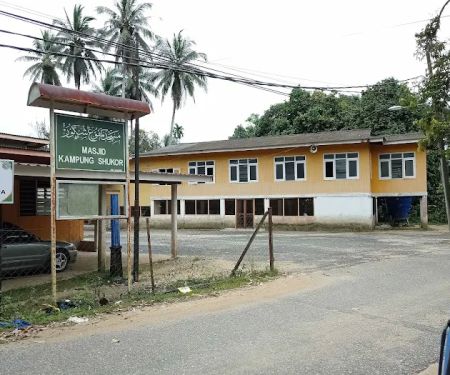 Masjid Kampung Shukor4.0 (4 reviews)
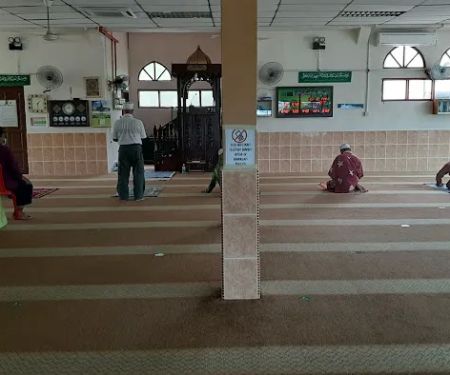 Masjid Jambu Rias ( Al Ihsan)4.0 (14 reviews)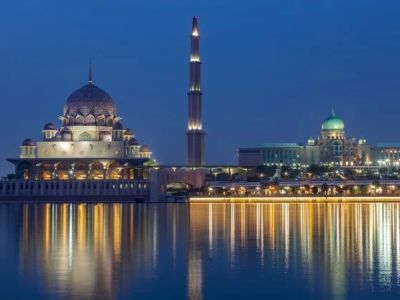
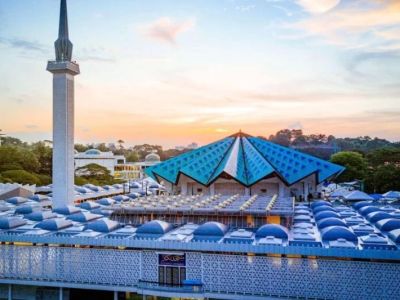
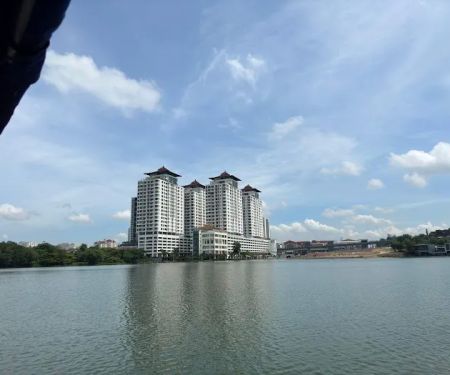 Mines Cruise Sdn Bhd3.0 (93 reviews)
 Mentari Bee Eco Tourism Farm5.0 (1 reviews)
 Kelong Purple Inn4.0 (42 reviews)
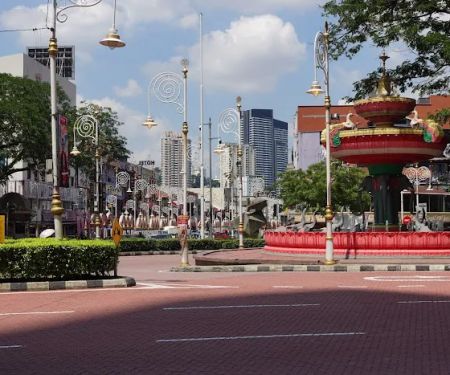 Brickfields Arch4.0 (8 reviews)
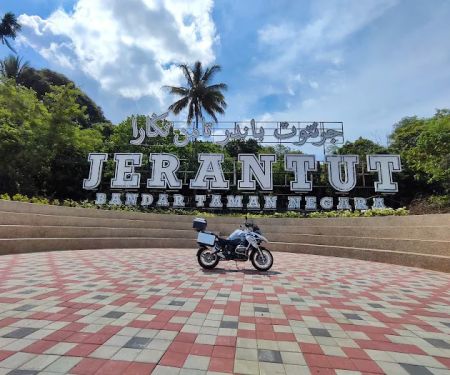 Bandar Taman Negara jerantut4.0 (1 reviews)
 UK Resort Ulu Kalong3.0 (78 reviews)
 Bazaar Ramadhan Jalan Kebun4.0 (13 reviews)
 Tasik Cermin Bukit Ibam4.0 (2 reviews)
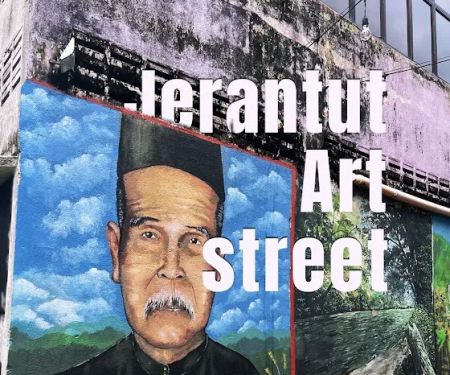 Jerantut Art Street5.0 (1 reviews)
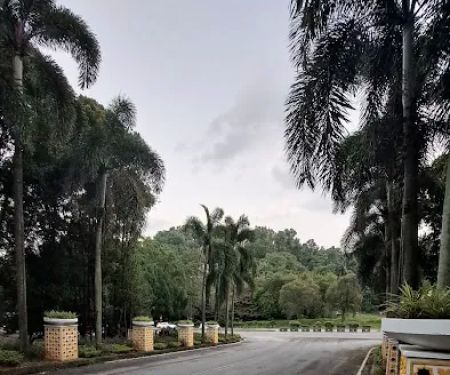 Bukit Kayangan Palace4.0 (107 reviews)
 Empang Batu5.0 (1 reviews)
 Gunung stong.dabong5.0 (1 reviews)