Explore Malaysia's Best Mosques | UAK Travel Blog on Islamic Heritage Tourism
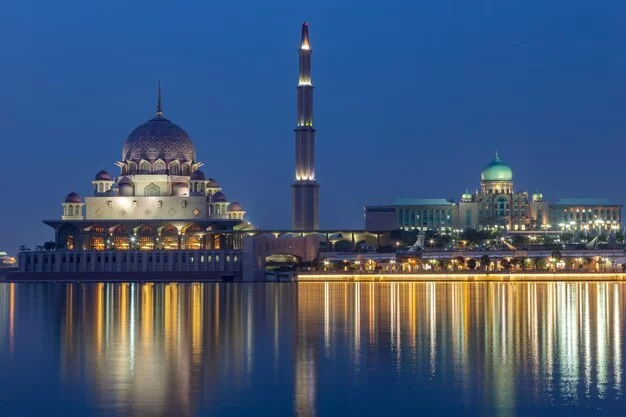
Malaysian Mosques at Night – What to See and RespectExplore the beauty of Malaysian mosques at night. Learn about the architecture, cultural significance, and how to respect these sacred spaces. Plan your trip with UAK Travel.
The Cultural Significance of Mosques in Malaysia’s History of Migration and TradeDiscover how some mosques in Malaysia tell the stories of migration, trade, and cultural fusion. Learn about their role in the region’s rich history of cultural exchange.Exploring the Cultural and Historical Significance of Mosques in MalaysiaIn the diverse and vibrant country of Malaysia, mosques are not only places of worship but also rich historical landmarks that tell the stories of migration, trade, and cultural fusion. These architectural marvels serve as silent witnesses to the flow of people, goods, and ideas that have shaped the nation's history. In particular, several mosques in Malaysia offer a glimpse into how these factors contributed to the cultural melting pot that is present today.From the bustling streets of Kuala Lumpur to the serene islands off the coast of Penang, mosques in Malaysia embody the deep cultural exchange that occurred as a result of trade routes and migration patterns over centuries. In this article, we will explore how these mosques have become symbols of cultural fusion and reflect the diverse historical influences of the region.1. The Role of Mosques in Malaysia’s History of Migration and TradeThe story of Malaysia’s mosques is intricately linked to the region's history of migration and trade. As a strategic location along ancient maritime trade routes, Malaysia became a crossroads for traders from across the world, including India, China, Arabia, and Southeast Asia. This influx of diverse cultures and religions profoundly influenced the architectural and cultural development of Malaysia’s mosques.1.1 Early Muslim Influence and the Arrival of IslamIslam began to make its way to Malaysia through trade routes, particularly with merchants from the Arabian Peninsula and India. As these traders settled in Malaysia, they built mosques to serve as religious and community centers. The earliest mosques in Malaysia, such as the Kampung Kling Mosque in Melaka, reflect the Islamic architecture brought by Indian and Arabian traders, blending local building materials with foreign design elements.1.2 Trade and Cultural FusionThroughout Malaysia’s history, the arrival of traders, explorers, and migrants has led to the fusion of local traditions with external influences. For example, the famous Masjid Jamek in Kuala Lumpur, located at the confluence of the Gombak and Klang rivers, showcases a blend of Moorish, Indo-Saracenic, and Malay architectural styles. This fusion reflects the merging of local Malay culture with Islamic traditions introduced through trade.2. Prominent Mosques and Their Historical SignificanceThere are several iconic mosques across Malaysia that stand as testaments to the historical flow of people and ideas. These mosques not only serve as places of worship but also as cultural landmarks that reflect the region’s rich and diverse past.2.1 Masjid Jamek Kuala LumpurLocated in the heart of Kuala Lumpur, the Masjid Jamek is one of the oldest and most architecturally significant mosques in Malaysia. Built in 1909, its design combines Islamic, Moorish, and Malay architectural styles. The mosque’s construction was influenced by the British colonial period and represents the cultural fusion that characterized the early 20th century in Malaysia. As a symbol of unity, it stands at the meeting point of the Klang and Gombak rivers, which historically served as crucial trade routes.2.2 Kampung Kling Mosque, MalaccaThe Kampung Kling Mosque in Malacca is another prime example of how the convergence of different cultures has shaped Malaysia’s religious architecture. Dating back to the 18th century, this mosque exhibits a distinct blend of Malay, Chinese, and Islamic design elements. The Chinese-style pagoda minaret, along with the wooden structure, is a reminder of the Chinese-Malay cultural exchange that took place during the time of European colonial influence.3. How Mosques Preserve Local History and HeritageMosques are not just places of worship; they also serve as repositories of local history and heritage. Through their architecture, inscriptions, and community involvement, mosques tell the stories of the people who built them, worshipped in them, and used them as centers of learning and community activity.3.1 The Role of Mosques in Preserving Local Languages and TraditionsMany mosques in Malaysia have preserved local languages and cultural practices. For example, religious texts in Malay and Arabic are often used in the mosques, alongside traditional chants and prayers that have been passed down through generations. In some regions, community gatherings held at mosques also reflect the local customs and practices that have been influenced by both indigenous cultures and Islamic traditions.3.2 Educational and Cultural CentersBeyond their religious functions, many mosques in Malaysia also serve as educational and cultural centers. They host Quranic schools, community events, and cultural exhibitions that teach the younger generation about the history and cultural significance of their faith. This educational role has helped preserve the unique fusion of local and Islamic culture throughout the years.4. The Impact of Mosques on Tourism and Cultural AwarenessThe historical and architectural significance of mosques has contributed to their growing popularity as tourist destinations. Visitors from around the world come to admire the stunning designs and to learn about the cultural history they represent. These mosques provide an opportunity for tourists to gain deeper insights into Malaysia’s cultural fusion and the pivotal role that migration and trade have played in shaping the country’s identity.4.1 Cultural Heritage and Tourism in MalaysiaAs a country rich in history and culture, Malaysia’s mosques attract both local and international tourists who are eager to explore the legacy of the nation’s diverse cultural influences. The architectural beauty, coupled with the historical narratives of migration and trade, offers visitors an enriching experience. Tourists can explore the sites while learning about the multicultural influences that have shaped the country’s spiritual, social, and cultural landscape.4.2 Preservation Efforts for Future GenerationsEfforts to preserve the mosques and their historical significance are essential to ensure that future generations can continue to learn from these cultural treasures. Local authorities, religious organizations, and conservationists are working to maintain the integrity of these mosques and safeguard their architectural and cultural legacies.5. ConclusionMosques in Malaysia do more than just serve as places of worship; they are living testaments to the country’s rich history of migration, trade, and cultural fusion. By understanding the historical significance of these mosques, we gain a deeper appreciation for the diverse cultural influences that have shaped Malaysia into the nation it is today.If you’re planning a visit to Malaysia, don’t miss the opportunity to explore these architectural and cultural gems. To learn more about traveling to Malaysia and experiencing its rich history, check out UAK Travel for the best tours and travel experiences.
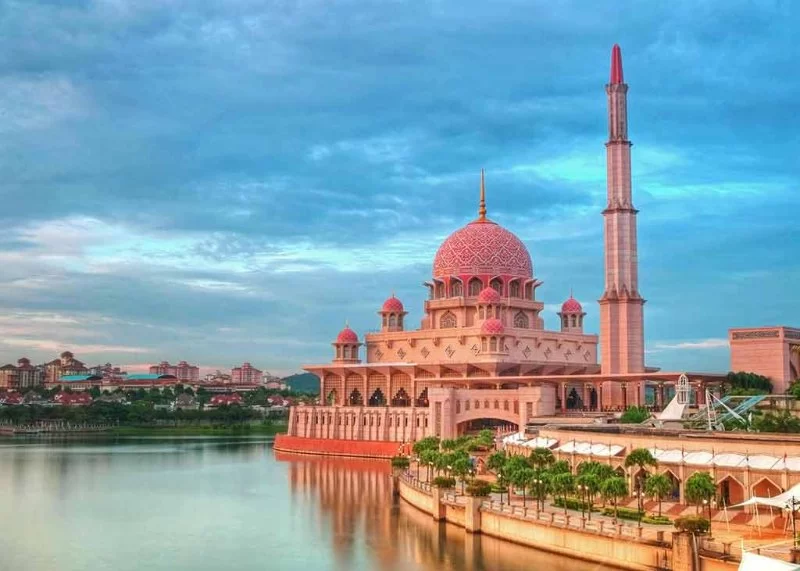
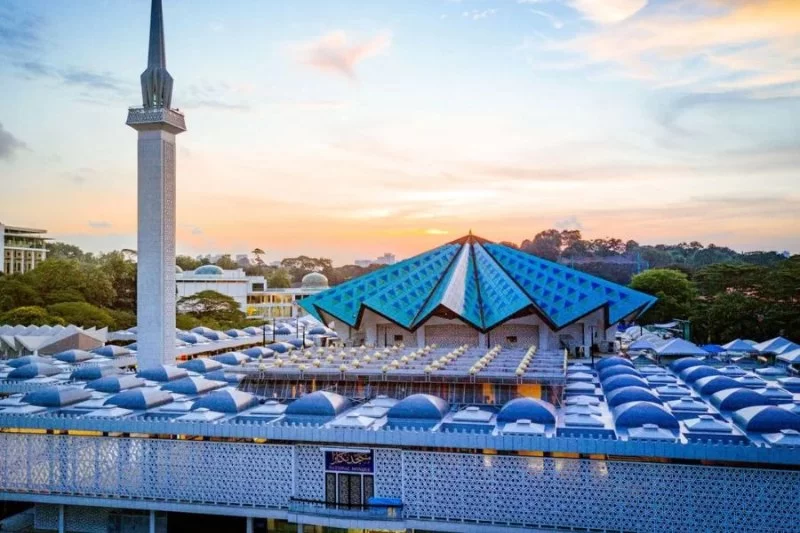
Mosque-Focused Travel in Malaysia: Plan a Calm, Respectful, and Insightful TripPlan a serene and respectful mosque-focused trip in Malaysia. Discover the best mosques to visit, tips for a quiet travel experience, and how to ensure cultural respect.Planning a Calm, Respectful, and Insightful Mosque-Focused Trip in Malaysia 1. Why Choose a Mosque-Focused Trip in Malaysia? 2. Key Mosques to Visit in Malaysia 3. Tips for Traveling Respectfully in Mosques 4. How to Plan a Quiet and Insightful Travel Experience 5. Personal Reflections on Mosque Visits in Malaysia1. Why Choose a Mosque-Focused Trip in Malaysia?When thinking about a quiet, spiritual, and culturally enriching trip, a mosque-focused journey through Malaysia offers a unique opportunity to experience the deep-rooted history, architecture, and spirituality of Islam. This type of travel allows visitors to gain insight into the traditions and beliefs that have shaped Malaysia’s diverse culture. Exploring Malaysia’s most beautiful mosques provides a peaceful and reflective journey, perfect for those seeking a calm getaway.1.1 The Importance of Mosque Visits in MalaysiaMosques in Malaysia are not just places of worship, but also symbols of the country’s multicultural and religious diversity. With their unique blend of Islamic architecture and local cultural influences, visiting these mosques can offer deep insight into both the history and the present-day practices of Islam in Southeast Asia.2. Key Mosques to Visit in MalaysiaMalaysia is home to some of the most stunning mosques in the world, with each offering something unique to the visitor. Here are some must-visit mosques for your trip:2.1 The National Mosque of Malaysia (Masjid Negara) – Kuala LumpurLocated in the heart of Kuala Lumpur, Masjid Negara is a masterpiece of modern Islamic architecture. Its grand, open design and serene atmosphere make it an ideal place to begin your mosque-focused journey in Malaysia. Visitors can admire its elegant minarets, tranquil gardens, and the peaceful sound of prayer echoing through the halls.2.2 The Sultan Abu Bakar State Mosque – Johor BahruThis mosque beautifully blends Victorian and Moorish architectural styles, creating a visually stunning building that stands as a symbol of Malaysia’s heritage. Located in Johor Bahru, the mosque offers visitors an opportunity to explore its intricately designed interiors and its picturesque location overlooking the Straits of Johor.2.3 The Putra Mosque – PutrajayaKnown for its striking pink dome and picturesque waterfront setting, the Putra Mosque in Putrajaya is one of the most beautiful mosques in Malaysia. Its tranquil location by the lake makes it perfect for those seeking a peaceful, reflective atmosphere.3. Tips for Traveling Respectfully in MosquesVisiting mosques is a deeply respectful experience. To ensure you make the most of your visit, it’s essential to observe local customs and show respect for the cultural practices. Here are some tips for traveling respectfully in mosques:3.1 Dress ModestlyWhen visiting a mosque, it’s essential to dress modestly. For both men and women, long sleeves, long pants or skirts, and headscarves (for women) are typically required. Modesty is a core value in Islamic culture, and dressing appropriately is a sign of respect.3.2 Be Mindful of Prayer TimesMosques are places of worship, and visitors should be mindful of prayer times. It’s best to avoid visiting during the five daily prayers, as these are sacred moments for worshipers. However, many mosques allow visitors outside of prayer hours, offering a quiet time to reflect and learn.3.3 Maintain Silence and Be RespectfulWhile mosques are welcoming to visitors, it’s important to maintain silence and behave with respect. Avoid loud talking, photography (unless permitted), and disruptive behavior. This will help ensure a calm and respectful atmosphere for worshipers and fellow travelers.4. How to Plan a Quiet and Insightful Travel ExperiencePlanning a trip focused on quiet reflection and learning at mosques can be a deeply fulfilling experience. To make the most of your mosque-focused trip in Malaysia, follow these planning tips:4.1 Research the History and Architecture of the MosquesBefore your trip, take some time to learn about the history and architecture of the mosques you’ll be visiting. Understanding the cultural significance and historical context will enhance your experience and deepen your connection to the places you visit.4.2 Plan for Quiet Moments of ReflectionIncorporate moments of quiet reflection into your itinerary. Many mosques have serene gardens or courtyards where you can sit, meditate, or simply appreciate the beauty of your surroundings. These peaceful moments can enhance the spiritual aspect of your journey.4.3 Visit During Off-Peak HoursTo ensure a more peaceful and less crowded visit, consider visiting mosques during off-peak hours. Early mornings or weekdays tend to be quieter times, allowing for a more intimate and personal experience.5. Personal Reflections on Mosque Visits in MalaysiaDuring my own visits to Malaysia’s mosques, I’ve experienced profound moments of reflection and serenity. The sense of calm and peace that envelops these sacred spaces is truly transformative. I’ve found that each mosque visit offers a unique insight into the rich tapestry of Islamic culture, and Malaysia’s mosques, with their stunning architecture and tranquil settings, provide the perfect backdrop for quiet contemplation.If you’re considering a mosque-focused trip to Malaysia, I highly recommend including a variety of mosques in your itinerary. Whether you’re drawn to the grandeur of the National Mosque or the serenity of the Putra Mosque, each visit offers an opportunity for growth and reflection. For more information on how to plan your own mosque-focused journey, check out our travel resources at UAK Travel for the best recommendations.
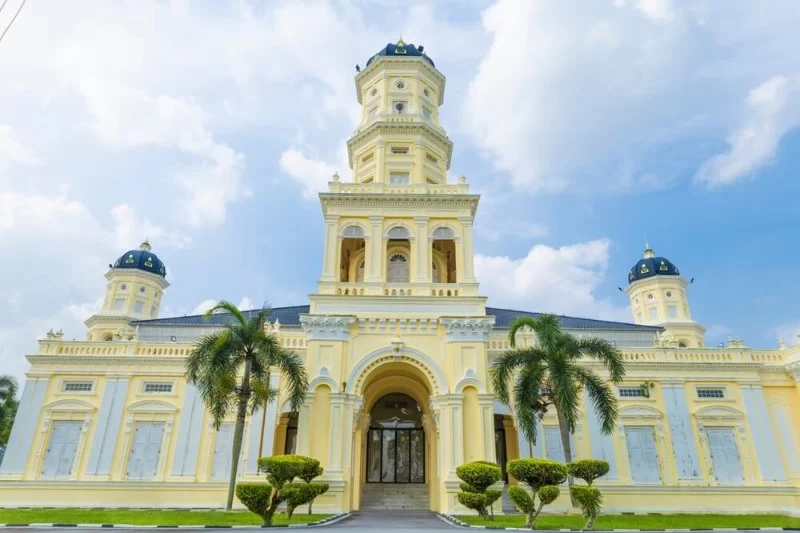
Why Travellers Flock to Sultan Abu Bakar State Mosque: A Victorian-Style Gem Overlooking the Straits of JohorDiscover why the Sultan Abu Bakar State Mosque, a Victorian-style mosque overlooking the Straits of Johor, is one of Malaysia's most iconic tourist destinations. Learn about its history, architecture, and why travellers flock to this stunning mosque.Why Travellers Flock to Sultan Abu Bakar State MosqueSituated majestically overlooking the Straits of Johor, the Sultan Abu Bakar State Mosque is one of Malaysia's most iconic landmarks. This beautiful mosque blends Victorian and Moorish architectural styles, and it is considered a marvel of Islamic architecture. It's no surprise that the mosque has become a must-visit destination for travellers seeking a blend of culture, history, and breathtaking views. But what exactly makes this mosque so special? Let’s dive into the fascinating details behind why visitors flock to the Sultan Abu Bakar State Mosque. 1. Historical Significance of the Sultan Abu Bakar State Mosque 2. The Unique Architectural Style of the Mosque 3. Stunning Location Overlooking the Straits of Johor 4. The Spiritual Experience and Peaceful Atmosphere 5. Cultural Importance for Malaysia and Its Visitors1. Historical Significance of the Sultan Abu Bakar State MosqueConstructed between 1892 and 1900, the Sultan Abu Bakar State Mosque was commissioned by Sultan Abu Bakar, who was the ruler of Johor at the time. The mosque was designed as a symbol of the Sultan's strength and modernity during the colonial period. It was meant to showcase not just Islamic heritage but also the blending of Western influences with traditional Islamic architecture, something that was quite rare for the time.Incorporating elements from both the Victorian era and Islamic design, the mosque is a representation of the historical evolution of Johor and its relationship with the British Empire. The mosque's construction was a significant milestone in Johor's modernization and its move toward greater global integration during the late 19th century.2. The Unique Architectural Style of the MosqueThe Sultan Abu Bakar State Mosque is renowned for its distinctive architectural style, which blends Victorian and Moorish influences. The design of the mosque features European elements like the Victorian tower and British-style arches, combined with traditional Islamic minarets and domes. This fusion of East and West gives the mosque its one-of-a-kind look and makes it a true architectural masterpiece.Visitors will notice the intricate tile work, the elaborate arches, and the tall towers, which create a harmonious yet striking combination of styles. This unique design sets it apart from other mosques in Malaysia, making it a standout example of how different cultural elements can blend to create something truly spectacular.3. Stunning Location Overlooking the Straits of JohorOne of the primary reasons travellers flock to the Sultan Abu Bakar State Mosque is its breathtaking location. Perched on a hilltop, the mosque offers panoramic views of the Straits of Johor, the waterway that separates Malaysia from Singapore. The sight of the mosque against the backdrop of the shimmering waters is an awe-inspiring scene that adds to the mosque's allure.The combination of tranquil surroundings, lush greenery, and the view of the straits makes the mosque a serene spot for reflection and contemplation. Whether you’re a local or a tourist, the peaceful setting makes it an ideal place to escape the hustle and bustle of city life and immerse yourself in the beauty of nature and culture.4. The Spiritual Experience and Peaceful AtmosphereWhile the architectural beauty and historical significance of the mosque attract visitors from all over the world, its serene and spiritual atmosphere is what leaves a lasting impact. The mosque is a place of worship, and visitors are encouraged to respect its sanctity while exploring its grounds. The quiet and contemplative environment makes it a perfect location for spiritual reflection, whether you're visiting for religious reasons or simply to enjoy the peaceful ambiance.The call to prayer that rings throughout the mosque adds to its profound spiritual experience, creating a unique atmosphere that is hard to find in other tourist attractions. The mosque serves as a reminder of the importance of peace, faith, and unity, values that resonate with people of all backgrounds.5. Cultural Importance for Malaysia and Its VisitorsThe Sultan Abu Bakar State Mosque is not only a religious and historical site but also an integral part of Malaysia's cultural identity. It represents the nation’s ability to combine modernity with tradition, reflecting the diverse influences that have shaped Malaysia's rich heritage. For Malaysian citizens, the mosque is a source of pride and a symbol of their heritage, while for international visitors, it provides a glimpse into the nation's past and the legacy of Sultan Abu Bakar.Whether you're a history buff, an architecture enthusiast, or a traveller seeking new experiences, a visit to the Sultan Abu Bakar State Mosque is a must. It offers a unique opportunity to witness the intersection of culture, spirituality, and architectural beauty, making it a true gem for anyone exploring Malaysia.If you're planning a visit to Johor, be sure to include the Sultan Abu Bakar State Mosque on your itinerary. For the best travel deals and recommendations, head over to UAK Travel, where we can help you make the most of your trip with exclusive offers and travel tips.
Mosque, Culture, and Travel: Why Every Traveller to Malaysia Should Visit at Least One Historic MosqueExplore the cultural significance of historic mosques in Malaysia and why every traveller should experience at least one. Discover the rich history and stunning architecture of these iconic sites.
How Mosque Architecture Reflects Malaysia’s Connection to Arab, Ottoman, Indian, and Southeast Asian TraditionsExplore how mosque architecture in Malaysia showcases the country's deep links to Arab, Ottoman, Indian, and Southeast Asian traditions. Learn about the unique design elements and cultural influences.How Mosque Architecture Reflects Malaysia’s Connection to Arab, Ottoman, Indian, and Southeast Asian Traditions 1. Introduction to Mosque Architecture in Malaysia 2. Arab Influence on Mosque Design 3. Ottoman Architecture and Its Legacy 4. Indian Influence in Malaysian Mosques 5. Southeast Asian Traditions and Mosque Design 6. Conclusion: The Fusion of Cultures1. Introduction to Mosque Architecture in MalaysiaMalaysia’s mosque architecture is a unique blend of various cultural influences, reflecting the country’s diverse history and the intersection of Islamic traditions with local and regional aesthetics. From the grandeur of Ottoman domes to the intricate carvings inspired by Indian temples, Malaysian mosques are a living testament to the influence of multiple cultures. This article will explore how the mosque designs in Malaysia highlight the links to Arab, Ottoman, Indian, and Southeast Asian traditions, each contributing to the spiritual and cultural significance of these structures.2. Arab Influence on Mosque DesignThe influence of Arab architecture on Malaysian mosques is most evident in the use of large domes, pointed arches, and expansive courtyards. These features are reminiscent of the traditional Arab mosque design, which often incorporates elements aimed at creating an open, inviting space for prayer and reflection. The most iconic example of this influence is the Sultan Abdul Samad Mosque in Kuala Lumpur, whose design showcases the distinct Arab-inspired domes and minarets that have become a hallmark of mosque architecture across the Muslim world.Arab mosques often focus on simplicity, with an emphasis on the beauty of geometric patterns and Arabic calligraphy. These elements are seamlessly integrated into Malaysian mosque designs, blending traditional Arab styles with local interpretations. The use of materials such as marble and limestone also echoes the grandeur seen in Arab mosques in the Middle East.3. Ottoman Architecture and Its LegacyThe Ottoman Empire, with its extensive reach throughout Southeast Europe, Asia, and North Africa, left a lasting imprint on mosque architecture in Malaysia. One of the most significant Ottoman contributions to mosque design is the central dome, which often serves as the focal point of the building. In Malaysian mosques, you can see the direct influence of Ottoman-style domes, often complemented by smaller auxiliary domes and expansive prayer halls.Another key feature of Ottoman mosque architecture is the use of large courtyards, which offer an open, serene environment conducive to worship. This characteristic can be observed in mosques like the Al-Nur Mosque in Kuala Lumpur, which showcases Ottoman-inspired design principles while also integrating local Malaysian aesthetics.4. Indian Influence in Malaysian MosquesIndian architectural influence is another prominent element in Malaysian mosque design. The influence of Mughal architecture, characterized by intricate carvings, grand arches, and decorative elements, can be seen in the detailed ornamentation found in some of Malaysia’s mosques. The colorful tiles and ornamental designs are reminiscent of the grand mosques in India, which are often decorated with vibrant motifs and intricate patterns.One excellent example of Indian influence is the Jamek Mosque in Kuala Lumpur, which combines Indian design elements with Malay and Moorish influences. The mosque features elaborate arches, minarets, and a combination of Islamic and Hindu decorative styles, making it an architectural fusion that highlights Malaysia’s unique cultural diversity.5. Southeast Asian Traditions and Mosque DesignSoutheast Asian architectural traditions, including the use of local materials such as bamboo, timber, and woven fabrics, also play a significant role in the design of mosques in Malaysia. These mosques often incorporate local craftsmanship, giving the buildings a distinctively Southeast Asian flair. The use of tropical wood, such as teak, is common in the construction of mosque interiors, adding both beauty and functionality to the space.Traditional Malay mosque designs are often marked by tiered roofs and decorative woodwork, which can be traced back to indigenous Malay architectural styles. These elements, while distinctly local, work in harmony with the larger Islamic design principles, creating a structure that is both rooted in local tradition and aligned with Islamic architectural aesthetics. The National Mosque (Masjid Negara) in Kuala Lumpur serves as a prime example of how Southeast Asian and Islamic design principles can be elegantly combined.6. Conclusion: The Fusion of CulturesMalaysia’s mosque architecture is a beautiful representation of the country’s rich cultural heritage and its connection to various Islamic and regional traditions. From the grandeur of Arab domes to the intricate details of Indian-inspired ornamentation, these mosques are a fusion of architectural styles that reflect Malaysia’s multicultural identity. As travelers explore the mosques of Malaysia, they will encounter a diverse range of designs that offer a glimpse into the country’s history, faith, and artistry. This unique blend of influences continues to shape the architectural landscape of Malaysia’s religious sites, making them some of the most culturally significant structures in the region.
Mosque Stories from Local Imams: Oral Histories and Community LifeExplore the rich oral histories shared by local imams, highlighting community life, religious practices, and unique tourist experiences at mosques. 1. Introduction to Mosque Stories from Local Imams 2. The Rich Oral Histories of Imams 3. Community Life Within the Mosque 4. How Tourists Experience Mosques and Imam Tales 5. Real-Life Stories and Experiences from Imams1. Introduction to Mosque Stories from Local ImamsAcross the globe, mosques serve not just as places of worship, but as centers of community life, cultural exchange, and spiritual guidance. Local imams play a crucial role in this context, offering wisdom and leadership within their communities. Beyond their religious duties, imams are often the bearers of rich oral histories, passed down through generations. These stories reflect the deep cultural ties between the mosque and the people it serves, offering valuable insights into the traditions, challenges, and triumphs of the communities they are part of. This article explores the fascinating stories shared by local imams, their impact on community life, and how tourists experience these tales firsthand.2. The Rich Oral Histories of Imams2.1 The Tradition of Oral StorytellingIn many cultures, oral storytelling is a revered tradition, and imams have long been its custodians within Islamic communities. From recounting the early days of Islam to sharing anecdotes about the lives of prophets, the stories told by imams are not just historical accounts—they are moral lessons, spiritual guides, and expressions of faith. The art of storytelling is deeply embedded in the fabric of mosque life, providing an essential link to the past for both the local Muslim community and visitors.2.2 Preserving Cultural Identity through Oral HistoriesAs religious and cultural leaders, imams preserve much more than religious texts. They carry stories that shape and define the cultural identity of their communities. Through their tales, they ensure that each generation understands its roots, whether it's the establishment of the mosque itself, stories of social cohesion, or the struggles of the community. These stories serve as a bridge between generations, helping young people connect with their history and elders.3. Community Life Within the Mosque3.1 The Mosque as a Center of Social LifeWhile mosques are primarily places for prayer, they also play a pivotal role in the social and cultural life of a community. Imams often oversee educational programs, social services, and communal events. These gatherings create strong bonds within the community, and the mosque becomes more than just a religious site—it is a place where people come together, share experiences, and support one another. The stories imams tell often reflect the values of unity, charity, and mutual respect that are central to Islamic teachings.3.2 Role of the Imam in Strengthening Community TiesImams serve as both spiritual leaders and community organizers. Their leadership extends beyond the pulpit, as they are actively involved in the day-to-day lives of their congregants. From guiding local initiatives to offering counsel during times of crisis, imams are a constant presence in the lives of those they serve. Their stories often highlight moments of resilience and collective effort, illustrating how the mosque has been a stabilizing force for the community over time.4. How Tourists Experience Mosques and Imam Tales4.1 The Allure of Mosque Architecture and HistoryFor tourists, visiting a mosque is not just about seeing a place of worship—it is about experiencing the intersection of history, culture, and spirituality. Many mosques, particularly those with rich histories, offer guided tours led by imams or local historians. These tours often include captivating stories about the mosque’s establishment, its role in the community, and its connection to broader Islamic heritage. Tourists are often fascinated by the narratives shared, as they provide a deeper understanding of the religious and cultural significance of the mosque.4.2 Immersive Experiences with ImamsSome mosques offer more interactive experiences for tourists, where visitors have the opportunity to engage with local imams. These interactions may involve sitting with an imam during a lecture or storytelling session, where visitors can hear firsthand accounts of the mosque's history and its role in the community. These experiences are enriching, as they allow tourists to connect with the spiritual and social fabric of the mosque in a personal and meaningful way.5. Real-Life Stories and Experiences from Imams5.1 Personal Reflections from Local ImamsImams often share their personal reflections on their role within the mosque and community. These stories reveal the challenges and rewards of being a religious leader, and provide a glimpse into the imams’ own spiritual journeys. From stories of personal struggles to moments of profound spiritual connection, these reflections offer a window into the life of an imam that is both inspiring and relatable.5.2 Impact of Oral Histories on VisitorsFor many visitors, hearing the stories of local imams has a lasting impact. These narratives not only offer insight into the mosque’s history but also provide a deeper appreciation of Islamic culture and heritage. Tourists often leave with a greater understanding of the role mosques play in the daily lives of Muslims, and the importance of preserving these stories for future generations.
The Fusion of Colonial, Malay, Mughal, and Chinese Influences in Malaysian Mosque DesignsExplore how colonial, Malay, Mughal, and Chinese influences have shaped the design of Malaysian mosques. Learn about the cultural blend and architectural beauty in this in-depth guide. 1 - Introduction: The Rich Cultural Blend of Malaysian Mosque Designs 2 - Colonial Influence on Mosque Architecture 3 - The Malay Influence in Mosque Design 4 - Mughal Influence in Malaysian Mosque Architecture 5 - Chinese Influence on Mosque Designs in Malaysia 6 - Real-Life Examples of Diverse Mosque Designs 7 - How to Experience These Unique Mosque Designs in Malaysia 1 - Introduction: The Rich Cultural Blend of Malaysian Mosque Designs Malaysia, a country known for its cultural diversity, is a prime example of how different cultural influences can converge and create stunning architectural designs. One of the most fascinating aspects of this cultural confluence can be seen in the designs of Malaysian mosques. The architecture of these mosques is a beautiful fusion of colonial, Malay, Mughal, and Chinese elements, reflecting the country’s complex history and diverse heritage. In this article, we will explore how these four distinct influences have shaped the design of mosques across Malaysia, offering a deeper understanding of their architectural significance and the unique aesthetic they create. 2 - Colonial Influence on Mosque Architecture During the British colonial era in Malaysia, from the late 18th century until the country’s independence in 1957, many mosques were constructed in a style that incorporated British colonial architecture. The colonial influence in mosque design is often seen in the use of neoclassical elements, such as symmetrical facades, large windows, and columns. These colonial mosques often have a combination of traditional Islamic architectural features with Western design elements. For example, the mosque may feature domes and minarets, common in Islamic architecture, but with the addition of arched windows, decorative ironwork, and brick facades, reflecting the British architectural style. An example of this fusion can be seen in the Sultan Abdul Samad Mosque in Kuala Lumpur, which features colonial-era elements alongside traditional Islamic architecture, symbolizing the nation’s history during British rule. 3 - The Malay Influence in Mosque Design The Malay culture has had a significant impact on mosque design in Malaysia, particularly in the traditional rural mosques. Malay mosques are often known for their use of wooden structures, steeply pitched roofs, and intricate carvings, which reflect the country’s tropical climate and craftsmanship. In addition to the materials used, Malay mosques also feature distinctive decorative patterns and motifs. These mosques often have open, airy courtyards and elevated floors, which are designed to keep the interior cool in the hot and humid climate of Malaysia. The Masjid Jamek in Kuala Lumpur, one of the city’s oldest mosques, showcases the Malay influence with its intricate woodwork and the use of local materials, blending both tradition and functionality. The mosque’s roof design, inspired by Malay vernacular architecture, is a perfect example of this style. 4 - Mughal Influence in Malaysian Mosque Architecture The Mughal Empire, which ruled much of South Asia during the 16th to 19th centuries, left a lasting influence on architecture in Malaysia, particularly in the design of mosques. The Mughal style is characterized by grandiose domes, arched doorways, and intricate tile work. This influence is most apparent in mosques built during the 19th and early 20th centuries, which were designed to evoke the grandeur and majesty of Mughal buildings like the Taj Mahal. In many Malaysian mosques, Mughal elements can be seen in the elegant dome structures, decorative arches, and the use of calligraphy and geometric patterns. The Sultan Ismail Mosque in Johor Bahru is a notable example of Mughal-inspired mosque design, with its massive central dome and ornate arches that are reminiscent of Mughal palaces. 5 - Chinese Influence on Mosque Designs in Malaysia In addition to Islamic, colonial, and Mughal influences, Chinese architectural styles also played a role in shaping the design of some mosques in Malaysia. This influence can be seen particularly in the decorative elements of mosque buildings, such as the use of colorful ceramic tiles, dragon motifs, and intricate wood carvings. Chinese architectural elements were often incorporated into mosque designs in areas with significant Chinese communities, such as Penang and Melaka. The combination of Islamic calligraphy and Chinese design elements creates a unique aesthetic that stands out from other mosques around the world. An example of this can be found in the Cheng Ho Mosque in Melaka, which incorporates Chinese pagoda-like roofs alongside traditional mosque features. The mosque’s use of Chinese-inspired tiles and decorative features makes it a beautiful example of this fusion of cultures. 6 - Real-Life Examples of Diverse Mosque Designs To truly appreciate the influence of these diverse cultures on mosque architecture in Malaysia, it is essential to visit some of these mosques in person. Each mosque tells a story of the cultural and historical exchanges that have taken place over centuries, offering insight into the country’s unique identity. One such example is the Masjid Negara (National Mosque) in Kuala Lumpur, a prime example of the blend of modernist Islamic architecture with traditional Malaysian elements. With its sleek, contemporary design, it also incorporates a traditional Malay-style roof, making it an iconic representation of the country’s evolving architectural landscape. 7 - How to Experience These Unique Mosque Designs in Malaysia If you’re planning a trip to Malaysia and want to explore the unique mosque designs, there are several key destinations to include on your itinerary. Kuala Lumpur, Melaka, and Penang are home to some of the best examples of culturally rich mosque architecture. When visiting, make sure to dress modestly and be respectful of the mosque's customs and traditions. Many mosques also offer guided tours that provide valuable insight into the architectural history and cultural significance of these buildings. For a deeper exploration of these cultural landmarks and to find the best travel packages, visit [UAK Travel] to discover personalized services and recommended experiences.
Combining Mosque Visits with Beach, Nature, and Island Trips in MalaysiaDiscover the best way to combine mosque visits with beach, nature, and island trips in Malaysia. Explore top destinations, plan your itinerary, and enjoy a rich cultural experience with UAK Travel.
Mosque Visits on a Budget in Malaysia — Low-Cost Accommodation, Public Transport and Free EntryDiscover how to visit Malaysia's stunning mosques on a budget. Learn about low-cost accommodation, public transport options, and free entry to famous mosques in Malaysia.
Exploring Hidden Mosques - Discovering Off-the-Beaten-Path Mosques Away from TouristsDiscover hidden, off-the-beaten-path mosques that offer a unique travel experience. Explore lesser-known mosques away from tourist crowds and experience their beauty and history.Exploring Hidden Mosques - Discovering Off-the-Beaten-Path Mosques Away from Tourists Introduction to Hidden Mosques Why Choose Hidden Mosques? Unique Features of Hidden Mosques Top Hidden Mosques to Explore Travel Tips for Exploring Hidden Mosques1. Introduction to Hidden MosquesThe world is home to countless mosques, some of which are world-renowned tourist attractions. However, there are also lesser-known, hidden mosques tucked away from the typical tourist route. These off-the-beaten-path mosques offer travelers an authentic and intimate experience, far from the crowded and commercialized tourist spots. Exploring hidden mosques can be a fascinating journey that connects you with the rich history and architecture of Islamic culture in a more personal way.Whether you're a seasoned traveler or a first-time explorer, visiting these lesser-known mosques can offer a refreshing perspective on both the cultural and spiritual significance of these sacred spaces. Join us as we explore some of the hidden gems around the world, offering peaceful retreats and a deeper connection with the local culture.2. Why Choose Hidden Mosques?There are several reasons why visiting hidden mosques should be on your travel bucket list. Unlike the popular tourist attractions that are often crowded and commercialized, hidden mosques offer tranquility and a more authentic atmosphere. Here are a few reasons to choose hidden mosques:2.1 Authentic Cultural ExperienceHidden mosques are often less frequented by tourists, allowing visitors to experience a more genuine and less commercialized version of local culture. These mosques often maintain their historical significance and serve as active places of worship for the local community.2.2 Peaceful EnvironmentWithout the crowds of tourists, hidden mosques offer a peaceful environment where you can reflect, pray, or simply enjoy the surroundings without distractions. This serene atmosphere allows for a deeper spiritual connection and appreciation of the mosque's beauty.2.3 Architectural BeautyMany hidden mosques feature stunning, unique architecture that is not always found in the more commercialized tourist destinations. From intricate tile work to beautifully landscaped courtyards, these mosques offer a glimpse into the region’s architectural heritage.3. Unique Features of Hidden MosquesHidden mosques often stand out for their distinctive architectural and cultural features. Here are some of the elements that make these mosques so unique:3.1 Historic SignificanceMany hidden mosques have been in existence for centuries, and some of them carry immense historical significance. These mosques may have played pivotal roles in local communities and witnessed key historical events. Visiting them allows you to step back in time and explore a piece of history that has been largely untouched by the modern world.3.2 Lesser-Known Architectural StylesWhile many famous mosques are known for their grand domes and minarets, hidden mosques often feature more understated, yet equally beautiful, architectural styles. From small, intricately designed prayer halls to modest courtyards, these mosques offer a fresh perspective on Islamic architecture.3.3 Local InfluenceHidden mosques often reflect the unique cultural influences of the region in which they are located. Whether it’s the incorporation of local materials, regional art styles, or traditional craftsmanship, these mosques offer a window into the local culture that you might not find in more commercialized tourist destinations.4. Top Hidden Mosques to ExploreIf you're ready to explore some of the world’s most stunning hidden mosques, here are a few recommendations:4.1 Sultan Hassan Mosque, Cairo, EgyptWhile the Sultan Hassan Mosque is not exactly “hidden,” it is often overlooked by tourists in favor of more famous sites in Cairo. Located in the heart of the city, this mosque is a masterpiece of Mamluk architecture and a testament to the grandeur of Islamic Cairo.4.2 Al-Nuri Mosque, Mosul, IraqBefore it was destroyed in 2017, the Al-Nuri Mosque in Mosul was one of the most historic mosques in Iraq. Although it is still under reconstruction, visiting the area offers a unique experience of exploring the region’s culture and history.4.3 The Grand Mosque of Kairouan, TunisiaOne of the oldest mosques in the world, the Grand Mosque of Kairouan is a hidden gem in Tunisia. Its historical significance and stunning architecture make it a must-see for travelers seeking to explore the heart of Islamic history.5. Travel Tips for Exploring Hidden MosquesWhen visiting hidden mosques, it's important to be mindful of cultural sensitivities and respect the sanctity of these sacred spaces. Here are a few tips to help you make the most of your exploration:5.1 Research Before You GoBefore setting off, do some research on the mosque you plan to visit. Some hidden mosques may require special permission to visit, while others may be located in remote areas. It’s always a good idea to check local guidelines and traditions.5.2 Dress ModestlyWhen visiting mosques, it’s important to dress modestly and appropriately. Women may be required to cover their hair, while both men and women should wear loose-fitting clothing. Carrying a scarf or shawl for covering is a good idea, especially if you're unsure about the dress code.5.3 Respect Local TraditionsEach mosque may have its own set of customs and practices, so it’s important to respect local traditions. Be mindful of prayer times, and avoid visiting during busy worship hours unless you plan to participate in the prayers.For those looking to explore more hidden gems, consider visiting UAK Travel for additional resources and recommendations on unique travel experiences to lesser-known destinations.
Explore Mosque, Historic Town, and Local Crafts in Malaysia - A Slow Travel GuideDiscover the rich culture of Malaysia through its mosques, historic towns, and local crafts. Plan your slow travel itinerary to explore Malaysia's hidden gems and cultural treasures.Exploring Malaysia: A Slow Travel Itinerary Featuring Mosques, Historic Towns, and Local CraftsMalaysia is a country known for its diverse culture, stunning landscapes, and rich history. If you are looking for a travel experience that goes beyond typical tourist destinations, consider a slow travel itinerary that focuses on the country’s mosques, historic towns, and local crafts. This journey will not only immerse you in Malaysia’s beauty but also allow you to connect with its deep-rooted traditions and vibrant culture. Explore Majestic Mosques Visit Historic Towns Discover Local Crafts1. Explore Majestic MosquesMalaysia is home to some of the most beautiful and iconic mosques in Southeast Asia. Each mosque tells a story of the country’s Islamic heritage and offers a peaceful place to reflect. Here are some of the must-see mosques in Malaysia:1.1 Sultan Abdul Samad Mosque (Kuala Lumpur)Located in the heart of Malaysia's bustling capital, Kuala Lumpur, the Sultan Abdul Samad Mosque stands as a testament to the country’s Islamic architectural style. Its grand dome and intricate minarets are striking against the skyline. Visitors can admire the mosque’s beautiful architecture and enjoy the tranquil atmosphere.1.2 Masjid Negara (National Mosque)The National Mosque of Malaysia is a symbol of the country’s Muslim heritage. With its unique and modern design, this mosque is not just a religious site but also an architectural wonder. The mosque’s large prayer hall and serene surroundings make it a perfect place to explore and reflect.2. Visit Historic TownsMalaysia is full of historic towns that showcase the country’s multicultural influences. From colonial architecture to ancient temples, these towns offer a glimpse into Malaysia’s fascinating past.2.1 George Town (Penang)George Town, a UNESCO World Heritage site, is one of the oldest towns in Malaysia. Known for its well-preserved colonial architecture, vibrant street art, and multicultural heritage, George Town is a must-visit for any traveler interested in history and culture. Stroll along its narrow streets, visit ancient temples, and enjoy the local cuisine that blends Malay, Chinese, and Indian influences.2.2 Malacca (Melaka)Malacca, another UNESCO World Heritage site, is a historic town that offers a fascinating look into Malaysia’s colonial past. The town’s colorful buildings, Dutch forts, and old churches tell the story of its time as a trading hub. Explore the famous Jonker Street and visit the A Famosa fortress for a taste of Malacca’s rich history.3. Discover Local CraftsMalaysia’s local crafts are an important part of its cultural identity. From intricate batik textiles to beautiful wood carvings, these handmade items reflect the skill and creativity of local artisans. During your slow travel journey, make sure to explore the following crafts:3.1 Batik Making (Kuala Terengganu)Batik is a traditional Malaysian fabric dyeing technique that has been practiced for centuries. Kuala Terengganu is known for its vibrant batik industry, and visitors can see artisans creating these intricate designs. You can even try your hand at making your own batik masterpiece at one of the local workshops.3.2 Wood Carvings (Kota Bharu)In Kota Bharu, you’ll find exceptional examples of Malay wood carvings. From intricate patterns on furniture to delicate sculptures, Kota Bharu is home to skilled craftsmen who continue the ancient tradition of wood carving. Visit local markets and workshops to purchase handmade wooden crafts or watch artisans at work.For a deeper dive into Malaysia's unique offerings, including more local crafts and hidden gems, visit UAK Travel for expert recommendations and travel tips.
Mosque, Beauty, Faith — Experiencing Malaysia’s Spiritual Architecture in Its Full GloryDiscover the beauty and spiritual significance of Malaysia’s mosque architecture. Explore the stunning designs and serene atmosphere that highlight the cultural and religious heritage of the country.Mosque, Beauty, Faith — Experiencing Malaysia’s Spiritual Architecture in Its Full GloryMalaysia is a country rich in cultural diversity, where faith and beauty seamlessly blend in the form of its remarkable mosques. The intricate architectural designs of these spiritual buildings showcase the country’s commitment to preserving its Islamic heritage while embracing modern aesthetics. In this article, we explore the stunning beauty of Malaysia’s mosques, their architectural significance, and how they reflect the deep faith of the people who worship within them.1. The Importance of Mosques in Malaysia's Spiritual LandscapeIn Malaysia, mosques are not just places of worship; they are symbols of faith, community, and cultural identity. These religious buildings are designed to inspire spiritual reflection and connection to the divine, while also serving as community centers. With their majestic domes, intricate minarets, and serene courtyards, Malaysia’s mosques are more than just places for prayer; they are living testaments to the nation’s Islamic heritage.1.1 A Blend of Traditional and Modern Architectural StylesMalaysia’s mosques are renowned for their fusion of traditional Islamic architecture with modern design elements. This blend creates unique structures that are both timeless and contemporary. For instance, the iconic Sultan Salahuddin Abdul Aziz Mosque in Shah Alam combines traditional elements, such as its grand dome and sweeping arches, with modern materials and clean lines, making it one of the most impressive mosques in the country.1.2 The Role of Mosque Architecture in Promoting SpiritualityThe architectural elements of mosques are meticulously designed to foster a sense of peace and reflection. From the grand entrance to the minaret that reaches toward the heavens, each feature of a mosque is intended to guide the worshiper’s thoughts toward God. The courtyards, gardens, and fountains further enhance the tranquil atmosphere, providing a serene space for prayer and contemplation.2. Exploring Iconic Mosques in MalaysiaMalaysia is home to some of the most stunning mosques in the Islamic world. These mosques are not only places of worship but also cultural landmarks that attract visitors from around the globe. Let’s take a closer look at a few iconic mosques in Malaysia that showcase the beauty of Islamic architecture.2.1 Sultan Salahuddin Abdul Aziz MosqueLocated in Shah Alam, the Sultan Salahuddin Abdul Aziz Mosque is one of Malaysia’s largest and most impressive mosques. Known for its massive blue and silver dome, this mosque is an architectural masterpiece that blends traditional Islamic motifs with modern design. The mosque’s serene atmosphere and stunning design make it a must-visit for anyone interested in experiencing the spiritual beauty of Malaysia.2.2 The National Mosque (Masjid Negara)The National Mosque of Malaysia, or Masjid Negara, is a symbol of the country’s Islamic heritage. Located in the heart of Kuala Lumpur, this mosque features a unique umbrella-shaped roof and a towering minaret that reaches 73 meters into the sky. The design of the mosque is a blend of traditional Islamic architecture and modern influences, making it a prime example of Malaysia’s spiritual and architectural evolution.2.3 Putra MosqueSituated in Putrajaya, the Putra Mosque is an elegant structure that showcases the fusion of Islamic and Malay architectural styles. The mosque is known for its stunning pink dome, which is made of rose-tinted granite, and its tranquil setting by the waterfront. The Putra Mosque’s design reflects Malaysia’s Islamic identity while also embracing local cultural influences, making it one of the most beautiful mosques in the country.3. The Spiritual Experience of Visiting Malaysia’s MosquesVisiting a mosque in Malaysia is not only a visual experience but a deeply spiritual one as well. The peaceful environment, the grandeur of the architecture, and the sense of reverence in the air combine to create a powerful atmosphere of faith and reflection.3.1 A Journey of Faith and ReflectionWhen you step into a mosque in Malaysia, you are immediately struck by the tranquility that envelops you. The sound of the call to prayer, the beautiful Quranic verses etched into the walls, and the soft glow of the interior lighting all contribute to an experience that is both calming and uplifting. For many visitors, the visit to a mosque is an opportunity to reflect on their own faith and spirituality.3.2 The Role of Mosques in Community BuildingIn addition to being places of worship, mosques in Malaysia are also community centers that play a vital role in the social and cultural life of the country. Many mosques host events, lectures, and social gatherings that foster a sense of community among Muslims. These activities are a testament to the mosques’ role as pillars of faith, education, and social cohesion in Malaysian society.4. Experiencing Malaysia’s Spiritual Architecture with UAK TravelFor those eager to experience the beauty of Malaysia’s mosques and spiritual architecture firsthand, UAK Travel offers guided tours that take you to some of the country’s most iconic and breathtaking mosques. With expert guides who are knowledgeable about Islamic architecture and the spiritual significance of these sites, you can gain a deeper understanding of the beauty and faith that defines Malaysia’s mosques.Whether you're visiting for spiritual reflection, cultural exploration, or simply to admire the stunning architecture, a visit to Malaysia’s mosques is an experience like no other. With UAK Travel, you’ll have the opportunity to explore these awe-inspiring landmarks in their full glory.
Why Mosque Tourism Is a Growing Trend Among International Travelers to MalaysiaDiscover why mosque tourism is becoming a popular trend among international travelers to Malaysia. Explore the rich Islamic heritage, stunning architecture, and cultural experiences offered by Malaysian mosques.Why Mosque Tourism Is a Growing Trend Among International Travelers to Malaysia 1. The Rise of Cultural Tourism in Malaysia 2. The Significance of Mosques in Malaysian Culture 3. Exploring Malaysia's Rich Islamic Heritage 4. Key Mosques to Visit in Malaysia 5. The Benefits of Mosque Tourism for International Travelers 6. Tips for Enjoying Mosque Tourism in Malaysia1. The Rise of Cultural Tourism in MalaysiaIn recent years, cultural tourism has emerged as one of the fastest-growing sectors in the global travel industry. Malaysia, with its unique blend of diverse cultures and rich history, has become a prime destination for travelers seeking authentic cultural experiences. Among the various cultural attractions, mosque tourism has gained significant popularity, attracting international visitors who are eager to explore Malaysia’s Islamic heritage.As travelers increasingly seek destinations that offer deeper, more meaningful experiences, mosques in Malaysia have become a focal point for those looking to immerse themselves in the country’s spiritual and architectural traditions. This growing trend is fueled by the allure of Malaysia's diverse cultural landscape, where Islam plays a central role in shaping the nation’s identity.2. The Significance of Mosques in Malaysian CultureIn Malaysia, mosques are not only places of worship but also cultural and architectural landmarks. The importance of mosques goes beyond religious practices—they are symbols of the country's Islamic heritage and serve as community hubs. Malaysia's mosques have a long history, with many of them dating back centuries, making them integral to understanding the country's past and its ongoing cultural evolution.These sacred spaces are a reflection of the fusion between Islamic traditions and local Malaysian culture. The design of Malaysian mosques often incorporates elements from Malay, Persian, Turkish, and even colonial architecture, creating unique and stunning structures that tell a story of cross-cultural exchange.3. Exploring Malaysia's Rich Islamic HeritageMalaysia's Islamic heritage is vast, and its mosques serve as gateways to understanding this rich history. Visitors to Malaysian mosques are often captivated by the intricate details of the buildings, the stories they tell, and the peaceful atmosphere that permeates these sacred spaces.In addition to their architectural beauty, mosques are also places of learning and reflection. Many mosques offer educational programs about Islam and its history in Malaysia, helping travelers gain a deeper understanding of the faith and its cultural significance. These experiences provide travelers with insights that go beyond mere sightseeing, offering a chance to connect with the spiritual and intellectual traditions that have shaped Malaysia.4. Key Mosques to Visit in MalaysiaMalaysia is home to some of the most magnificent mosques in Southeast Asia, each offering a unique glimpse into the country's Islamic culture and architectural ingenuity. Here are a few must-visit mosques for anyone interested in mosque tourism:4.1 Masjid Negara (National Mosque) – Kuala LumpurLocated in the heart of Kuala Lumpur, the National Mosque is a symbol of Malaysia's modern Islamic architecture. Its sleek, contemporary design features a stunning blue dome and a large open courtyard. This mosque is one of the most iconic landmarks in the country and a must-visit for anyone exploring Malaysia’s Islamic heritage.4.2 Putra Mosque – PutrajayaKnown for its striking pink dome and scenic location by a lake, the Putra Mosque in Putrajaya is a beautiful example of Islamic and Moorish architectural fusion. Its tranquil setting makes it a perfect spot for reflection and photography, attracting both tourists and locals alike.4.3 Sultan Abu Bakar State Mosque – Johor BahruThe Sultan Abu Bakar Mosque in Johor Bahru is a magnificent structure that blends Victorian and Islamic styles. Its colonial-era design combined with Islamic elements makes it an architectural gem. Visitors can explore the mosque’s grand exterior and enjoy panoramic views of the city from its grounds.4.4 Al-Bukhary Mosque – Alor SetarLocated in the city of Alor Setar, the Al-Bukhary Mosque stands out for its majestic minarets and elegant design. The mosque is a key feature of the city's skyline and offers a peaceful environment for visitors to learn about Islamic practices and local traditions.5. The Benefits of Mosque Tourism for International TravelersMosque tourism offers a variety of benefits for international travelers. Firstly, it allows visitors to explore the cultural and architectural wonders of Malaysia, offering an immersive experience that goes beyond traditional sightseeing. Mosques are not just beautiful buildings; they are living testaments to the country's Islamic culture, offering visitors a chance to learn, reflect, and appreciate Malaysia's heritage.Moreover, mosque tourism promotes cultural exchange. Visitors can interact with local worshippers and gain firsthand insights into their daily practices and rituals. This fosters a greater understanding and respect for Islam and helps break down cultural barriers, allowing travelers to engage with the local community in a meaningful way.6. Tips for Enjoying Mosque Tourism in MalaysiaIf you are planning to explore Malaysia's mosques, here are some helpful tips to ensure a respectful and enriching experience:6.1 Dress ModestlyWhen visiting mosques, it's important to dress modestly. Men and women should wear long sleeves and long pants. Women may also be asked to cover their heads with a scarf, which is usually provided at the mosque.6.2 Be Mindful of Prayer TimesMost mosques have scheduled prayer times throughout the day. Visitors should check the prayer schedule and plan their visit accordingly. It’s respectful to remain quiet and still during prayers. Many mosques offer guided tours outside of prayer times to ensure visitors can fully enjoy the experience.6.3 Respect Local CustomsEach mosque may have its own specific customs and protocols, so it’s important to follow the guidance of the mosque staff. Always ask questions if you're unsure of the appropriate behavior, and be sure to maintain a respectful demeanor throughout your visit.In conclusion, mosque tourism is a growing trend among international travelers to Malaysia, offering a unique way to explore the country’s rich Islamic heritage, stunning architecture, and vibrant culture. If you're looking to experience the best of Malaysia's cultural treasures, consider booking your next adventure with UAK Travel for expert recommendations and travel tips.
Discover Mosque-Friendly Volunteer Travel and Explore Malaysia's Beautiful MosquesExplore mosque-friendly volunteer travel opportunities in Malaysia. Learn how you can visit mosques while giving back to local communities through meaningful volunteer work.
Discover the Cultural Significance of Visiting Mosques in MalaysiaDiscover how visiting mosques in Malaysia can deepen your cultural understanding, showcasing the rich Islamic heritage and beautiful architecture that reflects the nation’s diversity.
Experiencing Malaysian Culture One Mosque at a Time: A Travel PerspectiveDiscover the rich cultural heritage of Malaysia through its iconic mosques. Learn how visiting these architectural gems offers a deeper understanding of Malaysia’s diverse culture, traditions, and history.
Visiting Mosques in Malaysia: Understanding Community and Shared MemoryExplore how visiting mosques in Malaysia can offer insight into the country's culture, community, and shared memory. Understand how these places reflect Malaysian society. Why Visit Mosques in Malaysia? The Role of Mosques in Malaysian Society Mosques and Community Building in Malaysia Shared Memory and Cultural Identity in Mosques Real-Life Experience: Visiting Malaysian MosquesWhy Visit Mosques in Malaysia?When I first visited Malaysia, I knew I wanted to explore more than just the famous tourist attractions. I wanted to understand the heart of the country, its culture, and its people. One of the best ways to gain this understanding was to visit the mosques scattered throughout the country. Mosques in Malaysia are not just places of worship; they are cultural hubs that offer deep insights into the social fabric of Malaysian society. For me, visiting these mosques turned out to be an eye-opening experience, filled with history, community, and shared memories that define the essence of the nation.In Malaysia, mosques are central to daily life for many people. They serve as spiritual centers, but they also act as community gathering spaces. When you visit a mosque, you're not just stepping into a place of religion, but into a living, breathing part of the community. Each mosque has its own story, its own culture, and its own significance to the people who frequent it. By visiting them, I learned not just about religion but also about the role of mosques in fostering unity, cultural heritage, and social bonds among Malaysians.The Role of Mosques in Malaysian SocietyIn Malaysia, mosques are deeply embedded in the daily lives of the people. While Malaysia is a multi-religious country, Islam plays a significant role in shaping the cultural and social landscapes. From my visits to several mosques across the country, I realized that these sacred spaces serve as more than just venues for prayer; they are integral to the functioning of society. They host community events, educational programs, and social services that benefit local residents.For instance, mosques in Malaysia often run community outreach programs where people come together to volunteer, share resources, and support one another. I remember visiting a mosque in Kuala Lumpur where volunteers were preparing food for the less fortunate. It was evident that mosques were more than places of worship—they were spaces for community building, solidarity, and collective memory. Through such activities, mosques help to reinforce social ties and create a sense of belonging among Malaysians.Mosques and Community Building in MalaysiaThe role of mosques in community building is something I observed time and again during my travels in Malaysia. Beyond the daily prayers and religious activities, mosques play a crucial role in fostering a sense of togetherness. Whether it's through educational programs for children, community dialogues, or social welfare activities, mosques serve as pillars of support in the local community.In my experience, mosques offer a welcoming environment for both locals and visitors. At the Sultan Abdul Samad Mosque in Melaka, I saw how the mosque became a place where people gathered not just for prayer, but for social interactions and community events. The mosque had an open-door policy, allowing anyone to visit, ask questions, or participate in cultural events. This made me realize that mosques in Malaysia are often at the center of community life, acting as safe spaces where people can find both spiritual and social fulfillment.Shared Memory and Cultural Identity in MosquesVisiting mosques in Malaysia also gave me a unique opportunity to understand the concept of shared memory and cultural identity. These mosques are not just physical buildings; they are repositories of history and tradition. Many mosques in Malaysia have centuries-old stories embedded in their walls. As I walked through these historic spaces, I could sense the collective memory of generations of worshippers and community members who had passed through the same halls.Take the Jamek Mosque in Kuala Lumpur, for example. Built in 1909, it is one of the oldest mosques in the city. Walking through its stunning architecture, I could imagine how much history had unfolded within its walls. The mosque had witnessed Malaysia's colonial past, its fight for independence, and the rapid modernization of the country. I realized that mosques serve as tangible markers of the country’s evolving identity, embodying not just religious faith, but also a collective memory that has shaped Malaysian society over time.Real-Life Experience: Visiting Malaysian MosquesLet me share a real-life experience from my travels that highlighted how mosques serve as spaces of community and shared memory. During a trip to Penang, I visited the Kapitan Keling Mosque, a beautiful historical mosque located in the heart of the city. As I stepped inside, I was struck by the sense of tranquility and reverence that filled the air. The mosque was not just a place of worship, but a vibrant hub for people to gather, reflect, and connect with one another.That day, I had the chance to speak with a local volunteer at the mosque who shared with me the role the mosque played in the lives of the people. She explained how the mosque helped preserve cultural practices, facilitated discussions on social issues, and provided support for the local community through various outreach programs. I was amazed by the sense of unity and collective responsibility fostered by the mosque, which was at the core of local social life.From this visit, I gained a deep appreciation for the role that mosques play in shaping cultural identities and fostering a sense of belonging among Malaysians. It was clear that visiting these mosques wasn't just about exploring religious sites—it was about understanding the heart of Malaysian society and the rich cultural fabric that binds its people together.If you're planning a trip to Malaysia and want to gain a deeper understanding of its society, I highly recommend visiting some of the country's mosques. They offer invaluable insights into the history, culture, and community life of Malaysia. For further exploration of local attractions and accommodations, check out UAK Travel for the best options tailored to your journey.
Categories
Popular
BCIC LODGE3.0 (642 reviews)
Pak Chu Manek Urai4.0 (12 reviews)
Beer Bank @ Wisma Lim Foo Yong KL4.0 (515 reviews)
Wahid Cottage Kg Mangkuk Beach: Sleep and Splash0.0 (0 reviews)
Thai Massage kajang (Chiang Mai Thai Massage)5.0 (1 reviews)
Masjid Al-Falah USJ 9 Parking Entrance5.0 (5 reviews)Must-Read Blog Posts
Most Searched
Trending Blog Posts
Exploring the Architectural Beauty of Mosques in Malaysia: A Journey Through Islamic Architecture
Exploring the Unique Designs of Mosques in Malaysia: A Journey Through Islamic Architecture
How to Get to the Famous Mosques in Kuala Lumpur by Public Transport: A Complete Travel Guide
Visiting Malaysia’s Most Famous Mosques During Eid: A Unique Cultural Experience
Top Mosques to Visit During Ramadan in Malaysia: A Traveler's Guide
Discover the History of Masjid Titiwangsa in Kuala Lumpur: A Cultural and Architectural Gem