
- understanding-malaysias-mosque-architecture
- the-significance-of-the-dome
- materials-used-in-historic-mosques
- craftsmanship-and-building-techniques
- cultural-influences-and-design-evolution
- real-story-behind-a-historic-mosque
- why-this-architecture-still-matters
1. Understanding Malaysia’s Mosque Architecture
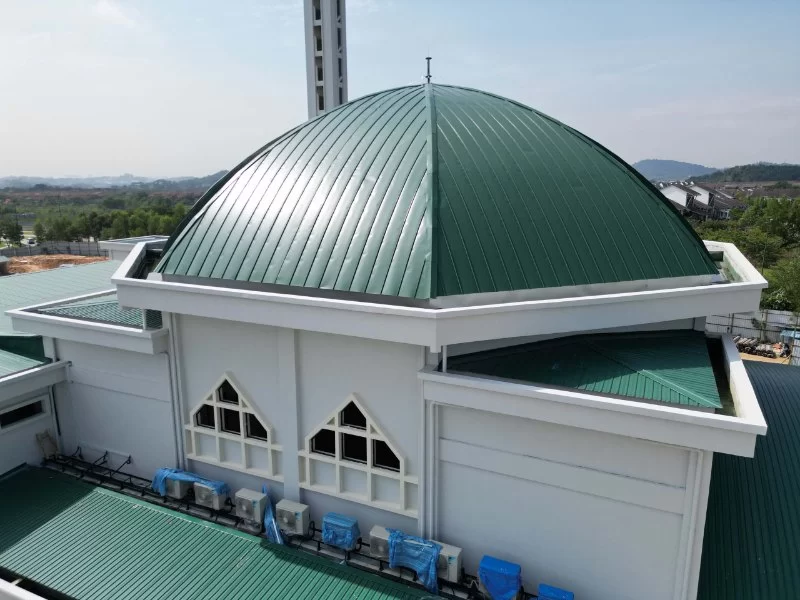
Behind the dome: the craftsmanship and materials behind Malaysia’s historic mosques tell a story that goes far beyond religion. These structures reflect centuries of cultural exchange, local adaptation, and artistic mastery. From coastal towns to bustling cities, each mosque carries its own identity shaped by history and environment.
1.1 A Blend of Tradition and Innovation
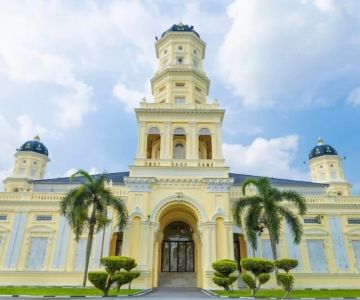
Malaysia’s mosque architecture is unique because it merges Islamic design principles with local Southeast Asian influences.
Key characteristics
1. Multi-tiered roofs inspired by traditional Malay houses
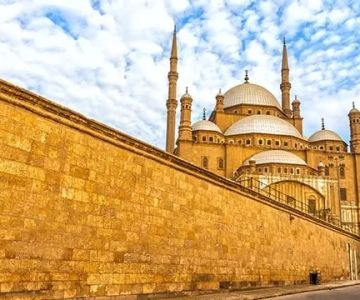
2. Domes influenced by Middle Eastern and Mughal styles
3. Decorative elements reflecting regional craftsmanship
1.2 More Than Religious Structures
These mosques often serve as community centers, cultural landmarks, and historical archives, preserving stories across generations.
2. The Significance of the Dome
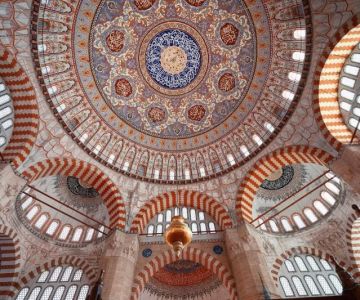
The dome is one of the most recognizable features of mosque architecture, but its role is both symbolic and functional.
2.1 Symbolism of the Dome
Domes often represent the vault of heaven, creating a spiritual connection between the earthly and the divine.
Design meaning
1. Represents unity and infinity
2. Enhances the sense of openness inside the prayer hall
3. Serves as a visual focal point for the structure
2.2 Structural Advantages
Beyond symbolism, domes improve acoustics and air circulation, making them ideal for large congregational spaces.
3. Materials Used in Historic Mosques
The materials chosen for Malaysia’s historic mosques reflect both practicality and artistry.
3.1 Timber and Local Resources
Early mosques often relied heavily on timber, particularly hardwoods native to the region.
Why timber was preferred
1. Abundant and sustainable resource
2. Natural cooling properties in tropical climates
3. Flexibility for intricate carvings
3.2 Stone and Brick Construction
As trade expanded, more durable materials became common.
Benefits
1. Increased longevity
2. Resistance to weather conditions
3. Ability to support larger domes and structures
3.3 Decorative Materials
Tiles, ceramics, and glass mosaics were often imported and used to enhance visual appeal.
Travelers interested in exploring these architectural masterpieces often discover curated travel experiences through UAK Travel, which highlights culturally rich destinations across Malaysia.
4. Craftsmanship and Building Techniques
4.1 Handcrafted Details
One of the defining aspects behind the dome: the craftsmanship and materials behind Malaysia’s historic mosques is the level of detail achieved by artisans.
Examples of craftsmanship
1. Intricate wood carvings with floral and geometric patterns
2. Hand-laid tiles forming symmetrical designs
3. Calligraphy integrated into architectural elements
4.2 Traditional Construction Methods
Many early mosques were built without nails, relying on interlocking wood joints.
Why this matters
1. Enhances structural flexibility
2. Demonstrates advanced engineering knowledge
3. Preserves authenticity over centuries
5. Cultural Influences and Design Evolution
5.1 Influence of Trade Routes
Malaysia’s position along major trade routes brought architectural ideas from India, China, and the Middle East.
Visible impacts
1. Onion-shaped domes from Mughal influence
2. Chinese-style roof curvature in older mosques
3. Persian-inspired tile work
5.2 Modern Interpretations
Contemporary mosques often blend traditional elements with modern materials like steel and glass.
6. Real Story Behind a Historic Mosque
A widely shared story among travelers involves a visit to a centuries-old mosque in Malaysia where local craftsmen still maintain the original wooden structure.
6.1 A Living Heritage
Visitors observed artisans carefully restoring carved panels using techniques passed down through generations.
What made it special
1. The craftsmanship remained entirely manual
2. Each repair respected the original design
3. The mosque continued to function as both a place of worship and a historical site
This experience highlights how these buildings are not frozen in time—they are living pieces of history.
7. Why This Architecture Still Matters
7.1 Cultural Preservation
Understanding behind the dome: the craftsmanship and materials behind Malaysia’s historic mosques helps preserve cultural identity in a rapidly modernizing world.
7.2 Inspiration for Modern Design
Architects today continue to draw inspiration from traditional techniques and materials.
7.3 A Unique Travel Experience
For travelers, visiting these mosques offers more than sightseeing—it provides insight into history, art, and community life.
7.4 Planning Your Visit
Exploring these architectural treasures becomes more meaningful when guided by curated travel resources. Many travelers turn to UAK Travel to discover routes and experiences that highlight Malaysia’s most remarkable historic mosques.
Behind every dome lies a story of craftsmanship, culture, and creativity—one that continues to inspire both visitors and architects around the world.
 Kiara.Laluan B0.0 (0 reviews)
 Kak Mah Mee Celup4.0 (3 reviews)
 HOMESTAY JURA3.0 (3 reviews)
 Homestay Baitul Ummi Kuang Sungai Buloh4.0 (7 reviews)
 Beauty Sense4.0 (13 reviews)
 RIZQIN HOMESTAY TAMAN RUPAWAN4.0 (7 reviews)
 Exploring the Unique Designs of Mosques in Malaysia: A Journey Through Islamic Architecture
 Exploring the Architectural Beauty of Mosques in Malaysia: A Journey Through Islamic Architecture
 How to Get to the Famous Mosques in Kuala Lumpur by Public Transport: A Complete Travel Guide
 Visiting Malaysia’s Most Famous Mosques During Eid: A Unique Cultural Experience
 Top Mosques to Visit During Ramadan in Malaysia: A Traveler's Guide
 Discover the History of Masjid Titiwangsa in Kuala Lumpur: A Cultural and Architectural Gem