
How Mosque Architecture Reflects Malaysia’s Connection to Arab, Ottoman, Indian, and Southeast Asian Traditions
- 1. Introduction to Mosque Architecture in Malaysia
- 2. Arab Influence on Mosque Design
- 3. Ottoman Architecture and Its Legacy
- 4. Indian Influence in Malaysian Mosques
- 5. Southeast Asian Traditions and Mosque Design
- 6. Conclusion: The Fusion of Cultures
1. Introduction to Mosque Architecture in Malaysia
Malaysia’s mosque architecture is a unique blend of various cultural influences, reflecting the country’s diverse history and the intersection of Islamic traditions with local and regional aesthetics. From the grandeur of Ottoman domes to the intricate carvings inspired by Indian temples, Malaysian mosques are a living testament to the influence of multiple cultures. This article will explore how the mosque designs in Malaysia highlight the links to Arab, Ottoman, Indian, and Southeast Asian traditions, each contributing to the spiritual and cultural significance of these structures.
2. Arab Influence on Mosque Design
The influence of Arab architecture on Malaysian mosques is most evident in the use of large domes, pointed arches, and expansive courtyards. These features are reminiscent of the traditional Arab mosque design, which often incorporates elements aimed at creating an open, inviting space for prayer and reflection. The most iconic example of this influence is the Sultan Abdul Samad Mosque in Kuala Lumpur, whose design showcases the distinct Arab-inspired domes and minarets that have become a hallmark of mosque architecture across the Muslim world.
Arab mosques often focus on simplicity, with an emphasis on the beauty of geometric patterns and Arabic calligraphy. These elements are seamlessly integrated into Malaysian mosque designs, blending traditional Arab styles with local interpretations. The use of materials such as marble and limestone also echoes the grandeur seen in Arab mosques in the Middle East.
3. Ottoman Architecture and Its Legacy
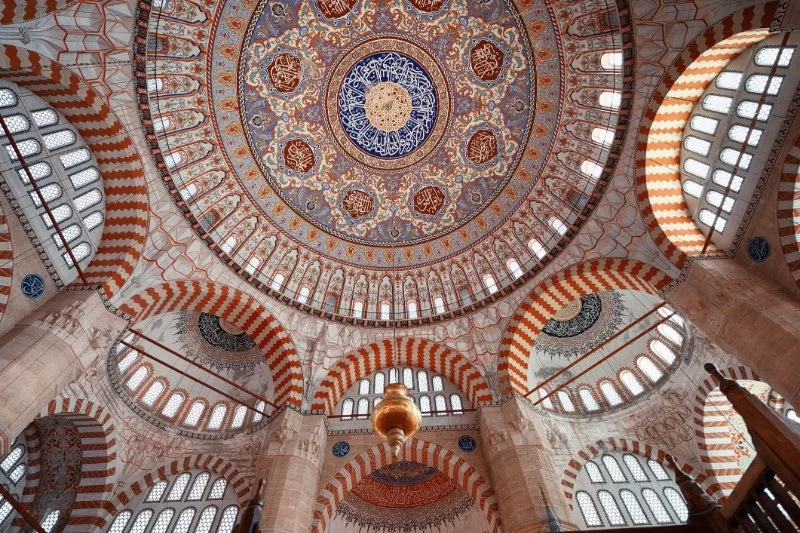
The Ottoman Empire, with its extensive reach throughout Southeast Europe, Asia, and North Africa, left a lasting imprint on mosque architecture in Malaysia. One of the most significant Ottoman contributions to mosque design is the central dome, which often serves as the focal point of the building. In Malaysian mosques, you can see the direct influence of Ottoman-style domes, often complemented by smaller auxiliary domes and expansive prayer halls.
Another key feature of Ottoman mosque architecture is the use of large courtyards, which offer an open, serene environment conducive to worship. This characteristic can be observed in mosques like the Al-Nur Mosque in Kuala Lumpur, which showcases Ottoman-inspired design principles while also integrating local Malaysian aesthetics.
4. Indian Influence in Malaysian Mosques
Indian architectural influence is another prominent element in Malaysian mosque design. The influence of Mughal architecture, characterized by intricate carvings, grand arches, and decorative elements, can be seen in the detailed ornamentation found in some of Malaysia’s mosques. The colorful tiles and ornamental designs are reminiscent of the grand mosques in India, which are often decorated with vibrant motifs and intricate patterns.
One excellent example of Indian influence is the Jamek Mosque in Kuala Lumpur, which combines Indian design elements with Malay and Moorish influences. The mosque features elaborate arches, minarets, and a combination of Islamic and Hindu decorative styles, making it an architectural fusion that highlights Malaysia’s unique cultural diversity.
5. Southeast Asian Traditions and Mosque Design
Southeast Asian architectural traditions, including the use of local materials such as bamboo, timber, and woven fabrics, also play a significant role in the design of mosques in Malaysia. These mosques often incorporate local craftsmanship, giving the buildings a distinctively Southeast Asian flair. The use of tropical wood, such as teak, is common in the construction of mosque interiors, adding both beauty and functionality to the space.
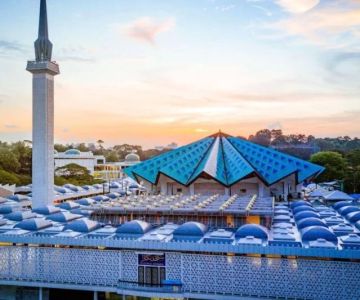
Traditional Malay mosque designs are often marked by tiered roofs and decorative woodwork, which can be traced back to indigenous Malay architectural styles. These elements, while distinctly local, work in harmony with the larger Islamic design principles, creating a structure that is both rooted in local tradition and aligned with Islamic architectural aesthetics. The National Mosque (Masjid Negara) in Kuala Lumpur serves as a prime example of how Southeast Asian and Islamic design principles can be elegantly combined.
6. Conclusion: The Fusion of Cultures
Malaysia’s mosque architecture is a beautiful representation of the country’s rich cultural heritage and its connection to various Islamic and regional traditions. From the grandeur of Arab domes to the intricate details of Indian-inspired ornamentation, these mosques are a fusion of architectural styles that reflect Malaysia’s multicultural identity. As travelers explore the mosques of Malaysia, they will encounter a diverse range of designs that offer a glimpse into the country’s history, faith, and artistry. This unique blend of influences continues to shape the architectural landscape of Malaysia’s religious sites, making them some of the most culturally significant structures in the region.




 Bentong Uncle Leong Homestay 文冬 Uncle Leong 民宿4.0 (29 reviews)
 KAKMEK LEGACY M SDN BHD (KAKMEK CONFINEMENT CARE)4.0 (5 reviews)
 BlckGrge0.0 (0 reviews)
 MJR Tomyam4.0 (21 reviews)
 The Travel Store (HQ)4.0 (133 reviews)
 Masjid Al-Azhar, UIS4.0 (116 reviews)
 Exploring the Unique Designs of Mosques in Malaysia: A Journey Through Islamic Architecture
 Exploring the Architectural Beauty of Mosques in Malaysia: A Journey Through Islamic Architecture
 How to Get to the Famous Mosques in Kuala Lumpur by Public Transport: A Complete Travel Guide
 Visiting Malaysia’s Most Famous Mosques During Eid: A Unique Cultural Experience
 Top Mosques to Visit During Ramadan in Malaysia: A Traveler's Guide
 Discover the History of Masjid Titiwangsa in Kuala Lumpur: A Cultural and Architectural Gem