
chiku Introduce
Assalamualaikum and hello, fellow residents of Kelantan! Our beloved state is a mosaic of rich cultural heritage, vibrant traditions, and diverse landscapes. Beyond the well-known coastal towns and historical cities, there are areas that hold immense significance for our local economy and natural environment, often with their own unique stories. Today, we're focusing on "Chiku," located in the broader area of Gua Musang. While not a single monument, Chiku represents a historical and economic landmark, a region shaped by agricultural development and nestled amidst fascinating geological formations. This article is written from our perspective as local users in Kelantan, aimed at providing a clear, engaging, and factual overview of what Chiku means to us.
For many in Kelantan, particularly those in the southern districts, Chiku is synonymous with large-scale agricultural schemes like FELDA and KESEDAR, which have transformed vast tracts of land and provided livelihoods for thousands of settlers. Understanding the historical context of these developments, and the natural landscape they inhabit, helps us appreciate the intricate layers of progress and preservation in our state. We will explore its geographical location within Pekan Gua Musang, the role it has played in the local economy, its natural features, and why it remains a relevant and important area for locals today. Our aim is to provide a friendly, professional, and factual account, encouraging you to connect with this dynamic part of Kelantan.
The name "Chiku" refers to a specific area within Gua Musang that encompasses several land schemes, each with its own history and contribution to the region. By offering a detailed, yet concise, look into what this area signifies, we hope to empower you with knowledge and a deeper appreciation for the less-frequented but equally important historical and economic landscapes within our beloved state. All information provided is based on publicly available data, ensuring its accuracy and providing a reliable guide for your interest.
Chiku is not a singular point, but rather a collective name for several land schemes (e.g., Chiku 1, Chiku 2, Chiku 3, Chiku 5, Chiku 6, Chiku 7) located within the Pekan Gua Musang area, with the postal code 18300 Gua Musang, Kelantan, Malaysia. This places Chiku firmly within the vast and largely rural district of Gua Musang, which is the southernmost district of Kelantan.
For local residents in Kelantan, particularly those travelling south through Gua Musang, the Chiku areas are primarily accessible by road. The main arterial roads connecting Gua Musang to other parts of Kelantan and Pahang would lead to the various Chiku schemes.
- Road Network: The area is served by a network of roads that connect the various FELDA and KESEDAR settlements to Pekan Gua Musang and beyond. Access is typically straightforward for personal vehicles, which are the most common mode of transport in this region.
- Parking: Being a largely rural and agricultural area, parking within the Chiku settlements is generally ample and informal, usually along roadsides or within the respective plantation areas.
- Public Transport: While direct public transport to individual Chiku schemes might be limited, buses serving the Gua Musang district would likely pass through or near these areas, making it possible for locals to reach them. Ride-sharing services, though less prevalent than in urban centers, might also be an option from Gua Musang town.
Chiku's location highlights its role as a significant agricultural hinterland within Kelantan, demonstrating how large-scale development has reshaped the landscape and economy of the state. Its proximity to Pekan Gua Musang means residents have access to basic town amenities, while still being immersed in a more rural and natural environment.
As a "historical landmark" that primarily refers to a region characterized by agricultural land schemes, Chiku does not offer commercial services in the traditional sense of a historical monument or a business. Instead, its "services" are more systemic and related to its economic and environmental contributions.
- Agricultural Production: The primary "service" of the Chiku area, particularly the FELDA and KESEDAR schemes, is agricultural output. These vast plantations primarily produce oil palm, and in some areas, rubber. This contributes significantly to Kelantan's economy and provides a livelihood for thousands of settlers and their families.
- Community Development: The establishment of FELDA and KESEDAR schemes in Chiku historically provided land, housing, and social infrastructure (such as schools, clinics, and community halls) to settlers, uplifted rural communities, and fostered new villages and towns.
- Environmental Context: The area offers insights into the unique karst geomorphology of Gua Musang, with limestone hills and caves being a prominent feature. While not "offered" by Chiku itself, the natural environment provides opportunities for geological study and appreciation of natural landscapes.
- Local Employment: The plantations and related agricultural activities within Chiku provide employment opportunities for the local population, both for the settlers and for workers in supporting industries.
While a visitor won't find a ticket counter or a gift shop directly associated with "Chiku" as a landmark, the area serves as a living example of large-scale land development in Malaysia. Its "services" are integral to the socio-economic fabric of southern Kelantan, demonstrating rural development and resource utilization.
The Chiku area, though not a singular structure, has several notable features and highlights that make it a significant "historical landmark" for locals in Kelantan, encompassing both its human development and natural attributes.
- FELDA and KESEDAR Schemes: The most prominent feature of Chiku is its role as a major hub for government-initiated land development schemes. These initiatives, particularly those by FELDA (Federal Land Development Authority) and KESEDAR (Kelantan Selatan Development Authority), were instrumental in opening up vast tracts of land for agriculture, primarily oil palm and rubber. This represents a significant historical chapter in Malaysia's rural development and poverty eradication efforts, providing livelihoods and homes to thousands of settlers from across the country, many of whom are now second and third-generation residents.
- Agricultural Landscape: The vast expanse of oil palm and, to a lesser extent, rubber plantations defines the visual landscape of Chiku. These orderly rows of trees are a testament to intensive agriculture and the transformation of the jungle into productive land. For locals, it's a familiar sight that symbolizes economic activity and the backbone of many families' incomes.
- Karst Topography and Caves: Beyond agriculture, Chiku is set within the stunning karst geomorphology of Gua Musang. This means the area is dotted with impressive limestone hills and features caves, some of which are explored for their geological significance (e.g., Chiku 2 cave for karst studies). This natural heritage provides a stark and beautiful contrast to the cultivated landscapes and offers potential for eco-tourism and geological exploration.
- Rural Community Life: The various Chiku schemes are home to established communities that have developed over decades. Visiting these areas offers a glimpse into rural Malaysian life, characterized by close-knit communities, local markets, and a slower pace of life compared to urban centers.
- Gateway to Nature and Connectivity: Chiku's location also places it as a transit point or a nearby area for exploring deeper into Gua Musang's natural attractions, such as parts of Taman Negara (Kuala Koh) and the Nenggiri River basin. It is part of the broader regional development that has enhanced connectivity within Kelantan.
These features collectively define Chiku not just as an address, but as a dynamic region embodying historical agricultural transformation, vibrant community life, and striking natural beauty within Kelantan.
As a broad geographical area defined by agricultural land schemes and natural features, Chiku does not offer "promotions" or "special offers" in the way a commercial business or a specific tourist attraction might. There are no entry fees to the Chiku areas themselves, nor are there retail products or services to promote with discounts directly from "Chiku" as a landmark.
However, the "value proposition" of Chiku for visitors and locals is inherent in its open access and its significance as a regional hub:
- Free Access and Exploration: The land schemes and natural areas within Chiku are generally accessible for free, allowing visitors to drive through, observe the plantations, and appreciate the landscape without cost.
- Educational Insight (Free): It offers a free, real-world educational experience about Malaysia's agricultural development, the functioning of FELDA/KESEDAR schemes, and the socio-economic life of settler communities.
- Nature Appreciation: The presence of karst hills and caves within the Chiku vicinity provides opportunities for appreciating natural geological formations, often accessible without specific charges, though any organized caving or trekking might incur fees from independent operators.
Any "promotions" related to the Chiku area would likely stem from external parties, such as local eco-tourism operators in Gua Musang who might offer packages that include visits to surrounding natural attractions (like caves or rivers) that are geographically near Chiku. Local guesthouses or eateries within the Chiku schemes might have their own small-scale promotions, but these are not tied to "Chiku" as a landmark. For information on specific geological tours or accommodation deals, visitors would need to inquire with relevant local businesses or the Gua Musang District Tourism office.
As a geographical region comprising several land schemes and natural areas, "Chiku" as a historical landmark does not have a single, direct contact number or email address, similar to a commercial entity. It is an expansive, publicly accessible area.
The most relevant piece of information for locating and understanding the Chiku area is its general address:
- Address: Pekan Gua Musang, 18300 Gua Musang, Kelantan, Malaysia
For specific inquiries related to the various Chiku land schemes, their administration, or the communities living there, the following contacts or organizations would be more appropriate:
- FELDA or KESEDAR Regional Offices: For information about the specific land schemes and their operations, contacting the relevant regional offices of FELDA or KESEDAR in Kelantan or Gua Musang would be necessary.
- Gua Musang District Council (Majlis Daerah Gua Musang): The local government body responsible for the administration and development of the entire district, including the Chiku areas.
- Kelantan State Tourism Department: For broader tourism information about attractions and significant areas in Kelantan, including those around Gua Musang and Chiku.
- Local Community Leaders/Headmen (Ketua Kampung/Pengerusi JKKK): In the various Chiku settlements, local leaders could provide insights into community life and specific historical details.
- Geological Survey of Malaysia/Local Universities: For scientific information about the karst formations and caves in the Chiku area.
For general exploration, navigating to Pekan Gua Musang and then following local signage or using GPS to reach specific Chiku settlements will be the most effective way to experience this region.
For the residents of Kelantan, the Chiku area in Gua Musang offers a highly suitable and insightful experience, providing a tangible connection to the state's economic development, rural life, and impressive natural heritage. It's a place that tells a compelling story of progress and adaptation within our own backyard.
Firstly, Chiku represents a significant chapter in Malaysia's land development history through the FELDA and KESEDAR schemes. For locals, visiting these areas allows for a direct understanding of how these initiatives have uplifted communities, transformed landscapes, and provided stable livelihoods through agriculture. It’s a powerful reminder of the efforts made to develop our rural heartlands and the resilience of the settler communities who built their lives there.
Secondly, the vast agricultural plantations, primarily oil palm, showcase a crucial aspect of Kelantan's economy. For those interested in the source of our daily necessities or the scale of agricultural operations in the state, Chiku offers a real-world perspective. It’s an educational opportunity, especially for younger generations, to see where a significant portion of our nation’s resources originates.
Moreover, Chiku’s setting within the dramatic karst topography of Gua Musang adds another layer of appeal. The striking limestone hills and the potential for cave exploration provide a unique natural backdrop to the agricultural landscape. This blend of human endeavor and natural wonder makes Chiku a fascinating area to explore, whether for leisurely drives, photography, or a deeper appreciation of Kelantan’s diverse ecosystems.
In essence, Chiku is more than just a collection of plantations; it's a living historical landmark that illustrates Kelantan's journey of development, its economic backbone, and the symbiotic relationship between its people and the land. For every Kelantanese, exploring Chiku is an opportunity to connect with the progress of our state, appreciate the hard work of its communities, and marvel at the enduring beauty of its natural environment, right here in the heart of Gua Musang.
chiku Photos
chiku Location
chiku
Pekan Gua Musang, 18300 Gua Musang, Kelantan, Malaysia
- chiku
Pekan Gua Musang
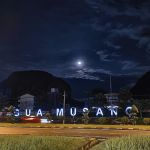 Sign Board Gua Musang
7763
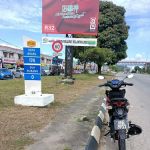 0 km Gua Musang (Route 8)
7763
 Rumoh Din Bhai
195
 kadang kambing zakri
WXCH+XR
 Lot kebun sempadan sg terah
WWC5+M7
 Kampung baru pulai
QWRV+GH
 Signboard Sempadan Kelantan - Pahang
Laluan Persekutuan 8
 Gunung Dato Syed
XQ6H+X9
 Stesen kereta api lama Limau Kasturi
18300 Gua Musang
 0 km Limau Kasturi
Jalan Bertam - Kemubu
 Gua Cha
2QG6+HR
 0 km Aur Gading
8WR9+JC
chiku Reviews
More Culture
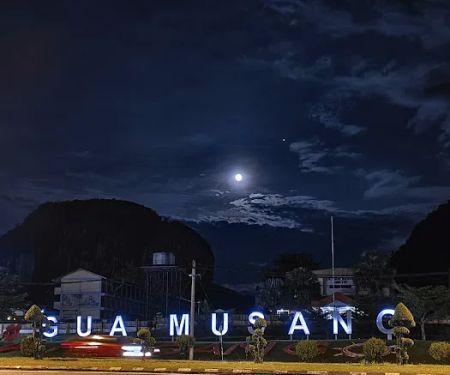 Sign Board Gua Musang5.0 (1 reviews)
7763, Jln Persiaran Raya, Taman Mesra, 18300 Gua Musang, Kelantan, Malaysia
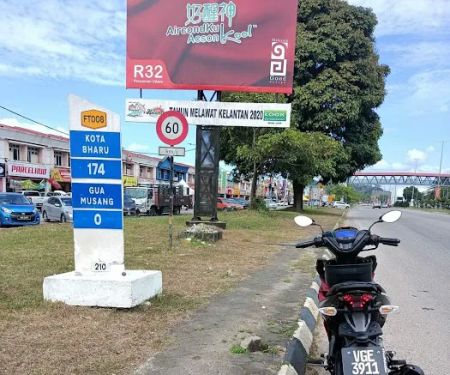 0 km Gua Musang (Route 8)4.0 (11 reviews)
7763, Jln Persiaran Raya, Taman Mesra, 18300 Gua Musang, Kelantan, Malaysia
 Rumoh Din Bhai0.0 (0 reviews)
195, Jalan Sungai Terah, Kampung Sungai Terah, 18300 Gua Musang, Kelantan, Malaysia
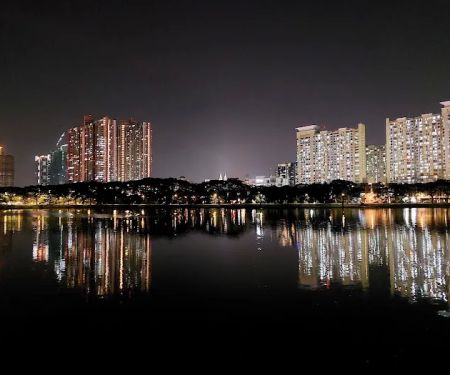 kadang kambing zakri0.0 (0 reviews)
WXCH+XR, 18300 Gua Musang, Kelantan, Malaysia
 Lot kebun sempadan sg terah4.0 (1 reviews)
WWC5+M7, 18300 Gua Musang, Kelantan, Malaysia
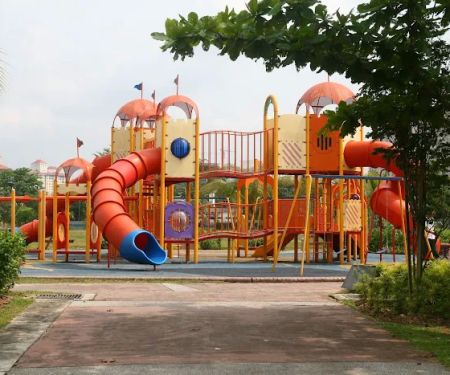 Kampung baru pulai5.0 (1 reviews)
QWRV+GH, 18300 Gua Musang, Kelantan, Malaysia
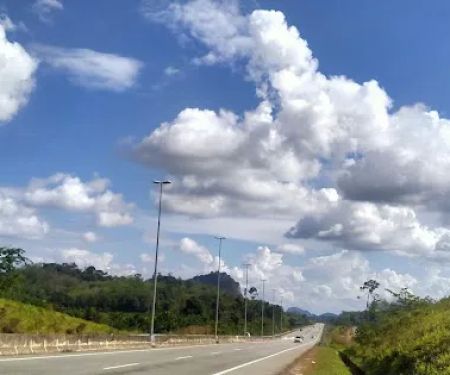 Signboard Sempadan Kelantan - Pahang4.0 (15 reviews)
Laluan Persekutuan 8, 18300 Gua Musang, Kelantan, Malaysia
 Gunung Dato Syed0.0 (0 reviews)
XQ6H+X9, 18300 Gua Musang, Kelantan, Malaysia
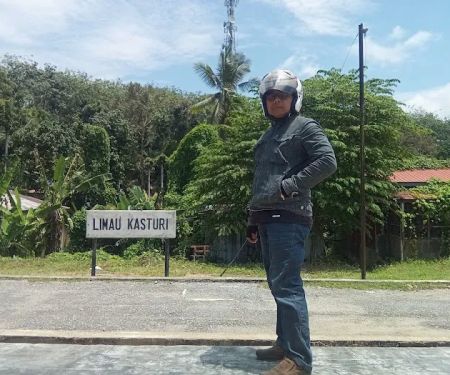 Stesen kereta api lama Limau Kasturi4.0 (2 reviews)
18300 Gua Musang, Kelantan, Malaysia
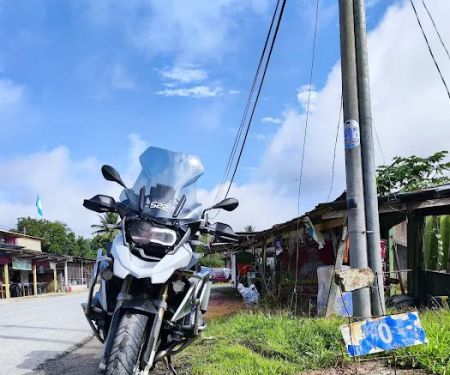 0 km Limau Kasturi3.0 (2 reviews)
Jalan Bertam - Kemubu, 18300, Kelantan, Malaysia
 Gua Cha4.0 (2 reviews)
2QG6+HR, Gua Musang, Kelantan, Malaysia
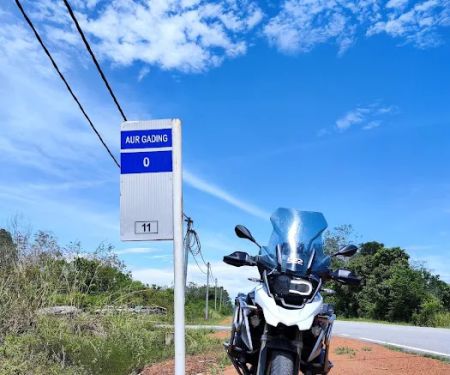 0 km Aur Gading4.0 (4 reviews)
8WR9+JC, Kampung Aur Gading, Pahang, Malaysia
Categories
Popular
 100 Tangga0.0 (0 reviews)
 Sawit kongsi0.0 (0 reviews)
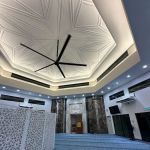 Surau Hospital UiTM (Surau Institusi Solat Jumaat)4.0 (39 reviews)
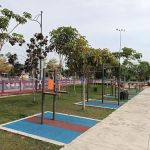 Dataran bandar baru pasir mas5.0 (2 reviews)
 ALONG HOMESTAY BATU KIKIR5.0 (23 reviews)
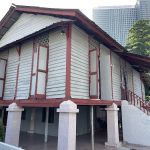 Tanah Mukim 5380.0 (0 reviews)
Must-Read Blog Posts
Most Searched
Trending Blog Posts
 Exploring the Unique Designs of Mosques in Malaysia: A Journey Through Islamic Architecture
 Exploring the Architectural Beauty of Mosques in Malaysia: A Journey Through Islamic Architecture
 How to Get to the Famous Mosques in Kuala Lumpur by Public Transport: A Complete Travel Guide
 Top Mosques to Visit During Ramadan in Malaysia: A Traveler's Guide
 Visiting Malaysia’s Most Famous Mosques During Eid: A Unique Cultural Experience
 Discover the History of Masjid Titiwangsa in Kuala Lumpur: A Cultural and Architectural Gem