
Exploring Malaysia's Rich Heritage Through Mosque Visits
1. A Personal Journey into Malaysia's Historic Mosques
Visiting Malaysia's mosques is like stepping into a living museum, a space where culture, religion, and history come together to create a truly unique experience. As a traveler passionate about history and architecture, I was excited to explore how the country’s mosques reflect its rich cultural heritage. Malaysia, with its diverse population and Islamic influence, offers a fascinating journey through its mosques, each one telling a different story about the country’s evolution over the centuries.
During my visit, I was particularly drawn to the way each mosque not only serves as a place of worship but also as a community hub and a representation of Malaysia’s architectural diversity. From the grand Sultan Abdul Samad Mosque in Kuala Lumpur to the serene Blue Mosque in Shah Alam, the journey was a feast for the senses—beautiful Islamic calligraphy on walls, intricate woodwork, and magnificent domes that seem to reach for the heavens.
2. The Architectural Splendor of Malaysia’s Mosques
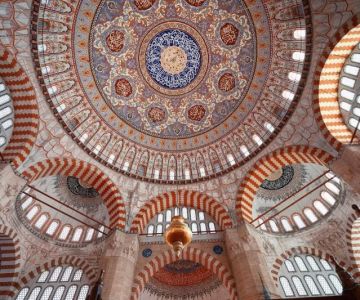
As I walked through the intricate corridors of these mosques, I marveled at the architecture, which blends traditional Islamic elements with local Malay styles. The architecture of each mosque reflects the historical influence of both the Malay Sultanate and Islamic culture. The use of local materials such as timber and stone, combined with intricate Islamic geometric patterns, creates a perfect blend of tradition and beauty.
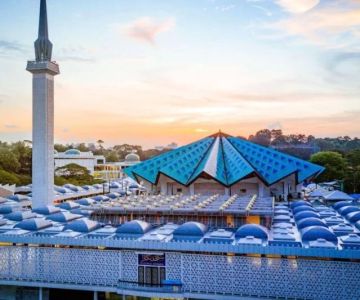
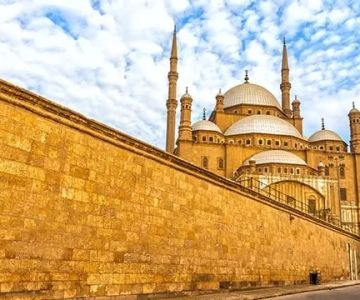
The Sultan Abdul Samad Mosque, for instance, is a magnificent example of Moorish architecture, where the arches and minarets echo the Islamic world’s influence while incorporating local craftsmanship. The Blue Mosque, on the other hand, stands as a testament to the use of modern materials, yet its design—complete with the iconic blue-tiled dome—pays homage to traditional Islamic designs. Every mosque I visited was a unique story in itself, and each building offered insights into the evolution of both Malaysia’s religious practices and its culture.
3. Immersing in the Cultural Heritage of Malaysia
What makes visiting mosques in Malaysia even more fascinating is the deep connection they have with the local community. Each mosque is not just an architectural masterpiece, but also a place of profound cultural importance. I recall visiting the Masjid Jamek, situated in the heart of Kuala Lumpur, where I witnessed a diverse group of people come together to pray and reflect. This mosque’s central location embodies Malaysia’s multicultural fabric, where Malays, Arabs, and other ethnicities converge in the spirit of unity and worship.
Through conversations with locals, I discovered that mosques in Malaysia often act as community centers, offering a range of services from religious education to social support. For instance, during my visit to the National Mosque (Masjid Negara), I learned about the mosque's role in helping the surrounding community with various charitable programs. These mosques do not just serve religious functions; they are integral to the social cohesion of the communities they serve.
4. Understanding the Role of Mosques in Malaysia's Islamic Identity
The mosques I visited during my journey weren’t just places of worship; they were symbols of Malaysia's Islamic identity. Islam is the official religion of Malaysia, and this is reflected in the stunning mosques that dot the country’s landscape. Walking through these sacred places, I found myself learning about the deep spiritual connection between the people of Malaysia and their faith. Every detail, from the intricate tile work to the ornate wooden carvings, speaks to the cultural and religious values that shape this nation.
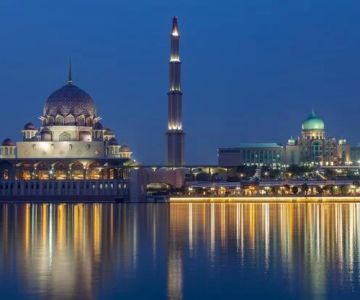
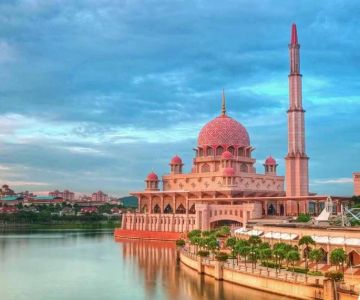
As I spent time exploring, I learned that the architectural designs of these mosques were heavily influenced by Islamic traditions, yet adapted to local Malay and Southeast Asian contexts. This fusion of styles results in mosques that are unique to Malaysia, such as the strikingly beautiful Putra Mosque in Putrajaya, which blends Persian, Mughal, and Malay architectural elements seamlessly. The way these mosques represent Malaysia's Islamic identity is not just in the physical buildings themselves but also in how the design incorporates local beliefs, culture, and history.
5. The Role of Mosque Visits in Promoting Cultural Understanding
One of the most enriching aspects of visiting mosques in Malaysia is the opportunity to foster a deeper understanding of Islamic culture. For me, it was a transformative experience, allowing me to see beyond the surface and gain insight into the practices and traditions that shape the daily lives of many Malaysians. The peaceful atmosphere in the mosques, the call to prayer, and the communal nature of the visits all offered an authentic glimpse into the cultural fabric of this Southeast Asian nation.
I met several travelers during my mosque visits, many of whom had little understanding of Islam or its practices before arriving in Malaysia. For them, visiting the mosques became a way to open a door to a deeper cultural understanding. The mosques in Malaysia are welcoming places for tourists, with many offering guided tours where visitors can learn about the history, architecture, and spiritual significance of the mosque. For those interested in learning about the Islamic faith, visiting a mosque is a unique way to gain insight into the practices and beliefs of this major world religion.
6. Exploring the Unique Stories of Malaysian Mosques
Each mosque I visited had its own story to tell, and I found that these stories were as important as the architectural splendor. Take, for instance, the iconic Masjid Negara (National Mosque), a symbol of Malaysia’s modernization. This mosque, completed in 1965, was built to represent the aspirations of a newly independent nation. The mosque’s design is modern yet deeply rooted in Islamic traditions, with its remarkable 16-point star-shaped roof representing the 13 states of Malaysia and the unity of the people. Standing in its grand courtyard, I couldn’t help but reflect on Malaysia’s journey from colonialism to independence, a journey embodied in the mosque itself.
On the other hand, the historic Masjid Jamek in Kuala Lumpur is one of the oldest mosques in Malaysia, and it carries a distinct historical narrative. Built in 1909, it was constructed at the confluence of two rivers, symbolizing the coming together of various cultural influences. The mosque’s white minarets and red-domed roofs reflect the blend of Moorish and local styles that marked the early 20th century. As I explored the mosque’s intricate carvings, I felt a deep connection to the past and the generations that have walked through its doors.
7. A Spiritual and Educational Experience
Visiting Malaysia’s mosques is not only about exploring religious sites, but also about gaining a profound spiritual experience. I often found myself in a reflective state, standing in the quiet halls of these mosques, contemplating the intersection of history, religion, and culture. As I walked through the courtyards, surrounded by majestic columns and tranquil gardens, I realized that these mosques serve as sanctuaries for both spiritual and personal growth.
Many mosques offer educational programs, including lectures, workshops, and exhibitions that provide visitors with a deeper understanding of Islamic practices and traditions. I took part in one such program at the National Mosque, where I learned about the role of mosques in promoting social justice, charity, and community welfare. The experience was not just about observing a religion from the outside, but about engaging with it on a deeper level and learning how these sacred spaces influence the lives of millions of Malaysians.
8. Plan Your Visit to Malaysia’s Mosques
If you’re considering visiting Malaysia, I highly recommend making time to explore its mosques. These beautiful structures not only offer an opportunity to immerse yourself in the country’s Islamic heritage but also provide insight into its diverse cultural landscape. Whether you’re drawn to the architectural splendor, the spiritual atmosphere, or the rich history, visiting a mosque in Malaysia is an experience that will leave a lasting impression.
For those interested in planning a mosque tour or discovering more about these architectural gems, I recommend visiting UAK Travel. UAK Travel offers expertly curated tours that will help you navigate Malaysia’s most iconic mosques, ensuring you gain a deep understanding of their historical and cultural significance. Don’t miss out on this incredible opportunity to explore the heart of Malaysia’s heritage through its mosques!
 Hotel Bumimas4.0 (58 reviews)
 El Patron Restaurant & Bar3.0 (14 reviews)
 Sungai Wang Utama Hotel3.0 (10 reviews)
 My Pottery (M) Sdn. Bhd.5.0 (1 reviews)
 Rossa Homestay Sungai Dua Butterworth0.0 (0 reviews)
 D’My Kopitiam4.0 (29 reviews)
 Exploring the Unique Designs of Mosques in Malaysia: A Journey Through Islamic Architecture
 Exploring the Architectural Beauty of Mosques in Malaysia: A Journey Through Islamic Architecture
 How to Get to the Famous Mosques in Kuala Lumpur by Public Transport: A Complete Travel Guide
 Visiting Malaysia’s Most Famous Mosques During Eid: A Unique Cultural Experience
 Top Mosques to Visit During Ramadan in Malaysia: A Traveler's Guide
 Discover the History of Masjid Titiwangsa in Kuala Lumpur: A Cultural and Architectural Gem