
- 1. The History of Mosques in Malaysia
- 2. Community Impact of Historic Mosques
- 3. Exploring Old Neighborhoods Around Mosques
- 4. The Cultural Significance of Mosque Architecture
- 5. Why Community Walks Around Mosques Are Special
- 6. How to Enjoy Your Walk Through Historic Sites
1. The History of Mosques in Malaysia
Malaysia is home to some of the most stunning and historic mosques in Southeast Asia, with a deep cultural and religious history that dates back centuries. As I began my journey of exploring these incredible places, I learned how mosques in Malaysia have been integral to the development of the country’s communities. From the earliest settlements of Islam in Malaysia to the present-day bustling urban centers, these mosques have served as places of worship, cultural gathering, and social interaction. Through this exploration, I discovered that these mosques are not only places of religious significance but also cultural and architectural landmarks that reflect Malaysia’s diverse history.
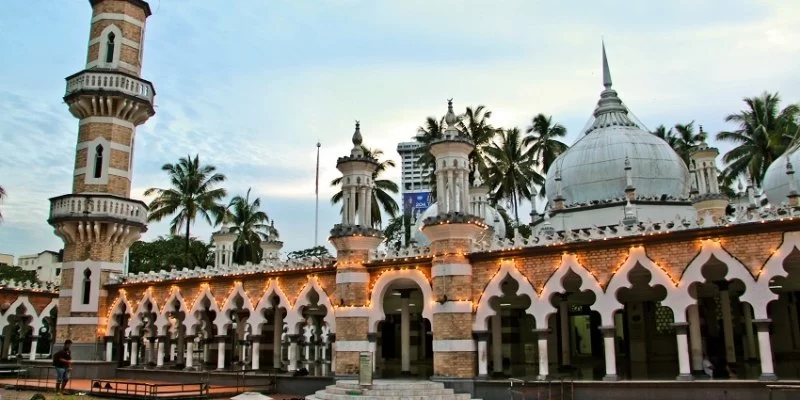
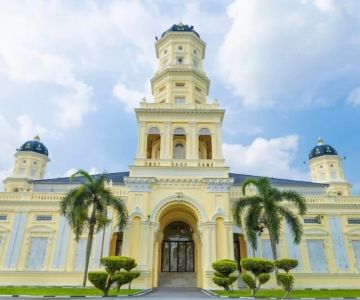
One of the most notable aspects of Malaysia’s mosques is how they embody a blend of Malay, Islamic, and colonial influences. Some mosques were built during the Malacca Sultanate in the 15th century, and others were constructed during the colonial period, leading to an intriguing mix of architectural styles. For example, the Sultan Abu Bakar State Mosque in Johor and the Masjid Jamek Mosque in Kuala Lumpur are prime examples of colonial-era mosques, showcasing British colonial architectural elements alongside traditional Islamic designs.
2. Community Impact of Historic Mosques
One of the most fascinating aspects of these mosques is their role within the communities surrounding them. The mosques have been a cornerstone of local life for generations. As I walked around various neighborhoods, I noticed how many of the local markets, shops, and eateries were influenced by the mosque’s presence. The daily call to prayer serves as a reminder of the cultural identity that binds the community together.
Many of Malaysia’s historic mosques are situated in the heart of old neighborhoods, where the sound of the azan (call to prayer) echoes through the streets, inviting worshippers to gather for their five daily prayers. It’s clear to see that the mosque has long been a central point in people’s lives, and it plays an important part in shaping local culture and community practices. When I visited the Masjid India neighborhood in Kuala Lumpur, I was struck by the way the mosque seemed to influence the character of the surrounding area, with vibrant street markets selling local food, clothes, and Islamic items, all contributing to the lively spirit of the community.
3. Exploring Old Neighborhoods Around Mosques
Exploring the neighborhoods surrounding historic mosques provides a fascinating window into Malaysia’s cultural evolution. These neighborhoods often retain the charm of old Malaysia, with narrow alleyways, traditional architecture, and quaint local businesses. Many of these areas have remained largely unchanged for decades, allowing you to experience the authenticity of Malaysian life in a way that larger, modern cities simply cannot offer. As I walked around these neighborhoods, I felt like I was stepping back in time, with the mosques acting as living witnesses to Malaysia’s rich history.
In cities like Malacca and Penang, where historical mosques are located in the heart of old colonial districts, you’ll find that the streets are filled with heritage buildings, traditional food stalls, and cultural landmarks. For example, the Kampung Kling Mosque in Malacca is located in the Kampung Kling neighborhood, a beautiful area that reflects the fusion of Malay and Chinese architectural influences. The winding streets around the mosque are lined with centuries-old houses and shops, providing an authentic view of Malaysia’s multicultural heritage.
4. The Cultural Significance of Mosque Architecture
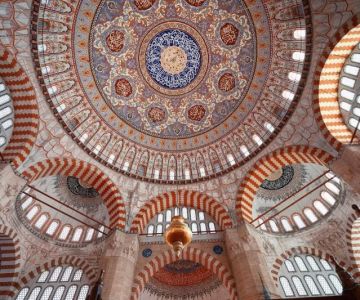
The architecture of these mosques is not just about aesthetic appeal—it’s about symbolizing the unity of the community and the harmony between different cultural influences. What fascinated me most during my visits was how each mosque, despite being distinct in its design, shared common features that represent the values of Islam. The large domes, minarets, and arched doorways evoke a sense of spirituality, while intricate tile work and carvings reflect the cultural richness of the region.
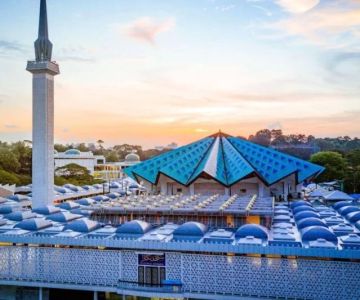
The design of the mosque itself tells the story of Malaysia’s cultural evolution. The traditional Malay mosque design, with its multi-tiered roofs, wooden beams, and decorative carvings, blends beautifully with modern Islamic designs. As I stood in front of the Sultan Salahuddin Abdul Aziz Mosque in Shah Alam, I marveled at the sheer scale and beauty of the structure, which is the largest mosque in Malaysia. Its blue and white color scheme, together with its towering minarets, offers a sense of serenity and spiritual elevation. The mosque is not just a place of worship, but also a cultural and architectural landmark that has come to symbolize Malaysia’s Islamic identity.
5. Why Community Walks Around Mosques Are Special
One of the most rewarding experiences I’ve had in Malaysia is taking part in community walks around historic mosques. These walks provide a deeper understanding of both the architectural beauty of the mosques and the way they serve as cultural hubs for the surrounding neighborhoods. As you walk through the streets, you not only learn about the mosque’s history but also gain insight into the way of life in these communities.
The community walks are often led by knowledgeable guides who are passionate about the history of the area. They provide invaluable context about the mosques’ role in shaping the local culture, the religious practices, and the stories of the people who have lived there for generations. It’s a truly immersive experience that connects you with the local culture in a way that few other activities can.
6. How to Enjoy Your Walk Through Historic Sites
If you’re planning a trip to Malaysia and want to explore the old neighborhoods around historic mosques, here are a few tips to make the most of your experience:
- Wear Comfortable Shoes: The streets around historic mosques can be uneven or cobblestone, so comfortable footwear is essential for enjoying your walk.
- Bring a Camera: The architecture and surroundings provide plenty of photo opportunities. Capture the beauty of the mosques, as well as the cultural landmarks around them.
- Engage with the Locals: Don’t hesitate to strike up a conversation with the locals. Many are proud of their mosque and community and are more than happy to share their knowledge and stories with you.
- Learn the History: Take time to listen to the stories behind each mosque. They often hold deep historical and cultural significance, which will enhance your understanding of the area.
Exploring historic mosques in Malaysia through community walks is an enriching experience that offers insight into both the architectural beauty and the cultural importance of these sacred sites. It’s an opportunity to connect with Malaysia’s past, understand its present, and appreciate the harmony that exists between the country’s diverse communities.
To plan your visit to these historic sites and experience the rich history of Malaysia firsthand, be sure to check out UAK Travel for personalized recommendations on guided tours, activities, and accommodations around these iconic mosques.
 My Happy Bakery0.0 (0 reviews)
 Tengku Kelana Jaya Petra Mosque4.0 (587 reviews)
 Baker's Cottage Old Factory4.0 (13 reviews)
 Homestay Santai Bertam Kepala Batas Semi D Fully Aircond5.0 (14 reviews)
 Rumah Tamu Biflora0.0 (0 reviews)
 Ezzy Homestay Senawang5.0 (2 reviews)
 Exploring the Unique Designs of Mosques in Malaysia: A Journey Through Islamic Architecture
 Exploring the Architectural Beauty of Mosques in Malaysia: A Journey Through Islamic Architecture
 How to Get to the Famous Mosques in Kuala Lumpur by Public Transport: A Complete Travel Guide
 Visiting Malaysia’s Most Famous Mosques During Eid: A Unique Cultural Experience
 Top Mosques to Visit During Ramadan in Malaysia: A Traveler's Guide
 Discover the History of Masjid Titiwangsa in Kuala Lumpur: A Cultural and Architectural Gem