
How to Capture Stunning Mosque Photos — Best Times, Angles and Lights (Malaysian Edition)
- -best-times-to-photograph-mosques-#best-times
- -angles-and-perspectives-#angles-perspectives
- -lighting-techniques-for-mosque-photography-#lighting-techniques
- -equipment-and-preparation-tips-#equipment-preparation
- -real-life-photography-experiences-#real-life-experiences
- -resources-and-travel-guidance-#resources-guidance
1. Best Times to Photograph Mosques
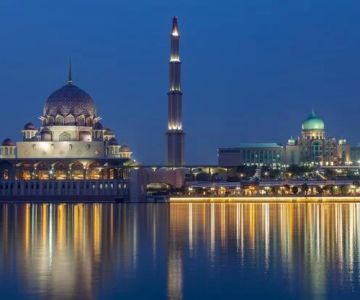
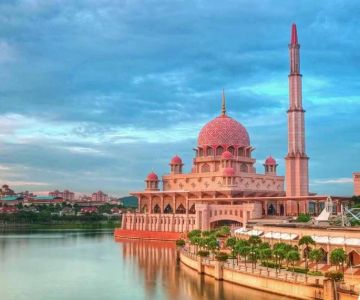
During my Malaysian mosque photography adventure, I discovered that the timing of your visit can make or break your shots. Early mornings, just after sunrise, cast a soft, golden hue over mosque domes and minarets, creating a tranquil atmosphere perfect for wide-angle shots. Late afternoons, during the golden hour, provide warm light that highlights architectural details without harsh shadows. I remember photographing the Putra Mosque in Putrajaya at 6:30 a.m., and the reflection on the lake created an almost magical symmetry in my frame.
Planning your mosque visit around these optimal times ensures the best natural lighting. Using apps to track sunrise and sunset times is highly recommended, especially in Malaysia where tropical weather can change quickly.
2. Angles and Perspectives for Unique Shots
Finding the right angles is critical to capturing the mosque’s grandeur. I like to start with wide shots from a distance, framing the entire structure with its surroundings. Low-angle shots looking up at the minarets emphasize height and majesty, while close-ups on intricate Islamic patterns showcase the detailed artistry that often goes unnoticed. Experimenting with symmetry by positioning the mosque centrally in your frame can produce visually stunning images that draw viewers in.
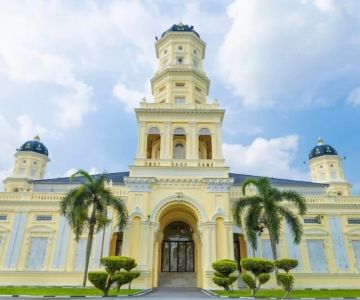
During one of my shoots at the Sultan Abdul Samad Mosque, I crouched low near a reflecting pool, allowing the water to mirror the mosque’s minarets. The result was a dramatic, almost ethereal photograph that became one of my favorites from the trip.
3. Lighting Techniques for Mosque Photography
Lighting can make a photograph extraordinary. Overcast days are surprisingly effective for highlighting architectural textures without harsh shadows, while night photography using soft artificial lights or long exposures creates a mystical, almost cinematic effect. I remember taking night shots of the Masjid Jamek in Kuala Lumpur, using a tripod and long exposure settings to capture the illuminated domes against a dark sky.
For photographers who want more control, portable reflectors or diffusers can enhance natural light and bring out subtle details in patterns and colors. Understanding the mosque’s orientation relative to the sun can also help predict which facades will be illuminated at different times.
4. Equipment and Preparation Tips
Proper preparation is key to successful mosque photography. I typically carry a DSLR with a wide-angle lens for expansive shots and a zoom lens for intricate details. A sturdy tripod is indispensable for low-light and night photography. Spare batteries, memory cards, and lens cleaning kits are essential, especially in humid Malaysian conditions. Before visiting, I research mosque rules regarding photography, ensuring respect for worshippers and cultural practices.
Clothing considerations are also important. Dressing modestly not only shows respect but also allows you to navigate the mosque without drawing attention or disrupting worship activities.
5. Real-Life Photography Experiences
One memorable experience was at the Crystal Mosque in Terengganu. I arrived just before sunrise and noticed the mosque bathed in soft pink light, with the water reflecting its glassy structure perfectly. By adjusting my angle and using a tripod for stability, I captured reflections that emphasized the mosque’s ethereal quality. Engaging with local photographers also provided tips on hidden vantage points and lighting nuances that aren’t widely published online.
These real-life encounters taught me that patience and observation are as important as technical skills. Waiting for the perfect moment, whether it’s a passing cloud diffusing sunlight or a calm reflection on water, often yields the most striking photographs.
6. Resources and Travel Guidance
For those seeking to capture stunning mosque photos across Malaysia, UAK Travel offers curated guides on mosque locations, best times to shoot, and insider tips from local photographers. Leveraging these resources ensures a smoother experience and maximizes the potential for breathtaking images. Whether you’re an amateur or a professional photographer, combining planning, timing, and creative angles will transform your Malaysian mosque photography adventure into a memorable visual journey.
 Aneka Nasi Goreng0.0 (0 reviews)
 Oasis ReconRe Retreat Center3.0 (10 reviews)
 Regalia Residence3.0 (246 reviews)
 MZ HOMESTAY4.0 (10 reviews)
 Casa DZaara4.0 (18 reviews)
 HOMESTAY D’QHALISYA5.0 (2 reviews)
 Exploring the Unique Designs of Mosques in Malaysia: A Journey Through Islamic Architecture
 Exploring the Architectural Beauty of Mosques in Malaysia: A Journey Through Islamic Architecture
 How to Get to the Famous Mosques in Kuala Lumpur by Public Transport: A Complete Travel Guide
 Visiting Malaysia’s Most Famous Mosques During Eid: A Unique Cultural Experience
 Top Mosques to Visit During Ramadan in Malaysia: A Traveler's Guide
 Discover the History of Masjid Titiwangsa in Kuala Lumpur: A Cultural and Architectural Gem