
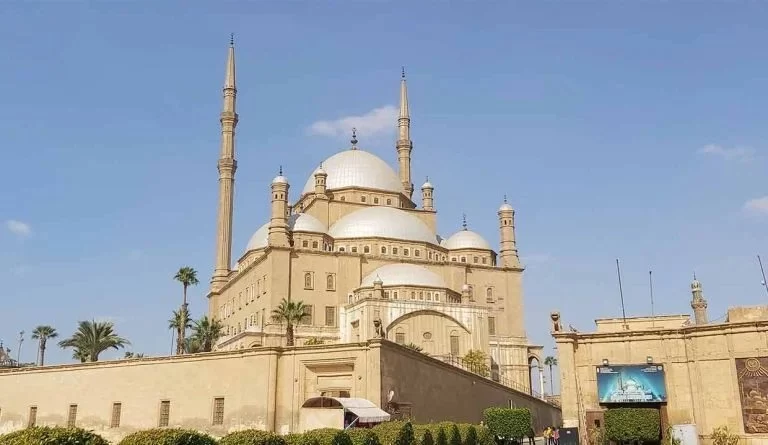
Mosque Walking Tours in Historical Cities — Combining Mosque Visits with Museums, Heritage Buildings and Culture
- Mosque walking tours - cultural depth and meaning
- what to expect - mosques museums heritage buildings
- real walking tour experience - personal story
- best historical cities - mosque walking tours
- how to plan - practical travel advice
I still remember the first time I joined a mosque walking tour in an old historical district. I wasn’t just visiting buildings—I was stepping into centuries of stories, traditions, and craftsmanship. What surprised me the most was how these tours seamlessly combined mosque visits with nearby museums, heritage buildings, and local culture. That experience completely changed the way I travel.
Today, mosque walking tours in historical cities are becoming one of the most meaningful ways to explore a destination. Instead of rushing through landmarks, you slow down, observe details, and understand the deeper cultural context behind what you see.
Why Mosque Walking Tours Offer a Deeper Cultural Experience
When I think about travel, I realize that the most memorable moments come from understanding—not just seeing. Mosque walking tours provide that depth because mosques are not just places of worship; they are architectural masterpieces, community centers, and historical records.
1. Architecture That Tells a Story
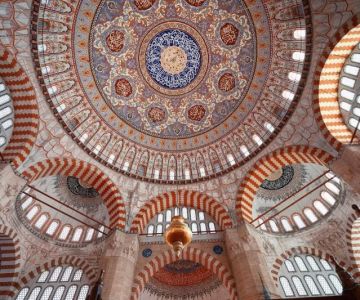
Every mosque I’ve visited has its own identity. Some feature intricate tilework, others showcase massive domes or delicate calligraphy. During one tour, I learned how geometric patterns in mosque design are not just decorative—they symbolize infinity and the unity of creation.
2. A Living Cultural Space
Unlike many historical sites, mosques are still actively used. I found this particularly powerful because it connects the past with the present. Watching locals pray or gather reminded me that these spaces are alive, not frozen in history.
3. Connection to Surrounding Heritage
Most mosque walking tours are carefully designed routes. They don’t stop at one building. Instead, they guide you through entire neighborhoods filled with museums, old marketplaces, and heritage buildings. This layered experience creates a richer understanding of the city.
What to Expect on Mosque Walking Tours in Historical Cities
From my experience, a well-planned mosque walking tour feels like a story unfolding step by step. It’s not overwhelming, but it’s incredibly detailed if you pay attention.
1. Multi-Layered Exploration
Most tours include three key elements:
1. Mosque visits where you learn about architecture, religious practices, and history.
2. Museums that provide context, such as artifacts, manuscripts, and historical timelines.
3. Heritage buildings like old homes, palaces, or trading houses that show daily life from past centuries.
2. Guided Narratives That Bring Places to Life
A great guide can transform your experience. I once walked through a quiet alley that looked ordinary at first glance. But after hearing how it used to be a bustling trade route connecting cultures, the entire space felt different.
3. Cultural Etiquette and Respect
One thing I quickly learned is the importance of respecting local customs. Modest clothing, quiet behavior, and awareness of prayer times are essential. These small actions not only show respect but also help you blend into the environment more naturally.
A Real Walking Tour Experience That Changed My Perspective
One of the most memorable tours I joined was in an old coastal city known for its layered history. The tour started early in the morning, just as the streets were beginning to wake up.
1. The First Mosque Visit
The guide led us into a centuries-old mosque tucked between modern buildings. Inside, the calm atmosphere was striking. Sunlight filtered through stained glass, casting colorful reflections across the floor. I remember standing there quietly, realizing how architecture can influence emotion.
2. Transition into Museums
After the mosque, we visited a nearby museum that displayed ancient trade artifacts. Suddenly, the mosque wasn’t just a religious site—it became part of a much larger story about commerce, migration, and cultural exchange.
3. Walking Through Heritage Streets
We ended the tour walking through preserved heritage streets. Wooden doors, weathered walls, and narrow pathways told stories without words. That day made me realize that combining mosque visits with museums and heritage buildings creates a complete narrative, not just isolated experiences.
Best Historical Cities for Mosque Walking Tours
Over time, I’ve noticed that certain cities naturally lend themselves to this type of immersive experience. These destinations offer the perfect blend of architecture, culture, and walkability.
1. Cities with Dense Historical Districts
Some cities are ideal because everything is within walking distance. This allows tours to flow naturally without the interruption of transportation.
2. Regions with Preserved Heritage Buildings
Places that have maintained their historical identity offer a more authentic experience. Walking through these areas feels like stepping into another era.
3. Destinations with Cultural Diversity
I’ve found that cities shaped by multiple cultures provide richer stories. You see how influences blend together in architecture, food, and traditions.
If you’re planning your own journey, I recommend exploring curated experiences through UAK Travel, where you can find thoughtfully designed routes that combine mosque visits, museums, and cultural landmarks seamlessly.
How to Plan a Meaningful Mosque Walking Tour
Planning your own mosque walking tour doesn’t have to be complicated, but it does require some thought to make the experience truly rewarding.
1. Research Before You Go
Understanding the history of the area beforehand makes a huge difference. Even basic knowledge helps you connect the dots during the tour.
2. Choose the Right Time of Day
From my experience, early mornings or late afternoons are the best times. The lighting is softer, the crowds are smaller, and the atmosphere feels more authentic.
3. Balance Structure and Flexibility
While guided tours are incredibly informative, leaving room for personal exploration is just as important. Some of my favorite moments came from simply wandering off for a few minutes and discovering something unexpected.
Ultimately, mosque walking tours in historical cities are not just about sightseeing—they are about understanding culture through movement, observation, and connection. When you combine mosque visits with museums, heritage buildings, and everyday life, travel becomes something far more meaningful than just ticking off destinations.
 Salam 2 Homestay Penang4.0 (30 reviews)
 LAREINE SKIN AND BODY WELLNESS4.0 (38 reviews)
![SURAU AN-NUR [Apt.Tmn.Cahaya]](https://img.uaktravel.com/d32/2506/1704287828927429_150x150.webp) SURAU AN-NUR [Apt.Tmn.Cahaya]5.0 (1 reviews)
SURAU AN-NUR [Apt.Tmn.Cahaya]5.0 (1 reviews) RUMAH JAHARA5.0 (18 reviews)
 San Francisco Coffee Menara Keck Seng4.0 (13 reviews)
 SEMERAH ENTERPRISE SDN BHD4.0 (9 reviews)
 Exploring the Unique Designs of Mosques in Malaysia: A Journey Through Islamic Architecture
 Exploring the Architectural Beauty of Mosques in Malaysia: A Journey Through Islamic Architecture
 How to Get to the Famous Mosques in Kuala Lumpur by Public Transport: A Complete Travel Guide
 Visiting Malaysia’s Most Famous Mosques During Eid: A Unique Cultural Experience
 Top Mosques to Visit During Ramadan in Malaysia: A Traveler's Guide
 Discover the History of Masjid Titiwangsa in Kuala Lumpur: A Cultural and Architectural Gem