
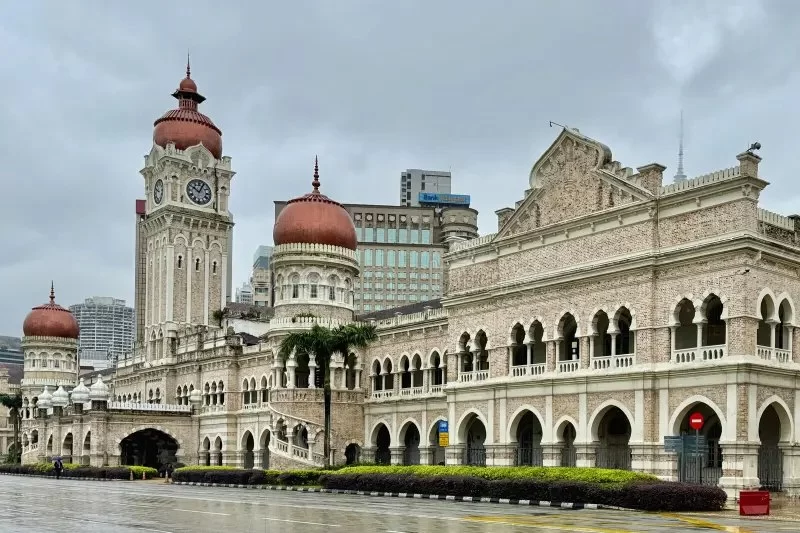
The Legacy of British-Era Architecture in Malaysian Mosques — What History Left Behind
- 1. Historical Context of British Influence
- 2. Architectural Elements That Shaped Mosques
- 3. Fusion of Islamic and Colonial Design
- 4. Real-World Examples and Cultural Impact
- 5. What Modern Travelers Can Learn
When people think about Islamic architecture, they often imagine grand domes, intricate geometric patterns, and centuries-old traditions rooted in the Middle East. But Malaysia tells a slightly different story—one shaped by trade, migration, and, notably, colonial history. The legacy of British-era architecture in Malaysian mosques is one of the most fascinating examples of how cultures can blend in unexpected ways.
During the 19th and early 20th centuries, British colonial administrators and architects introduced new building techniques and stylistic influences into Malaya. While mosques remained deeply tied to Islamic identity, their design began to reflect a unique hybrid—one that combined religious symbolism with colonial practicality and aesthetics.
Walking through cities like Kuala Lumpur or Penang today, I’ve personally noticed how these historical layers are still visible. The architecture doesn’t just tell a story—it invites you to look closer and ask how these influences came together.
2. Architectural Elements That Shaped Mosques
The British influence didn’t replace traditional Islamic design—it reshaped it. Several architectural elements stand out when examining how colonial styles became embedded in mosque construction.
1. Arches and symmetry inspired by colonial design
British architects often favored symmetry and proportion, which influenced mosque layouts. While Islamic architecture already valued balance, colonial interpretations introduced new structural rhythms that made buildings feel more aligned with Western civic architecture.
2. Use of domes with European influence
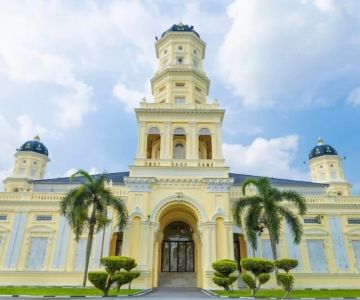
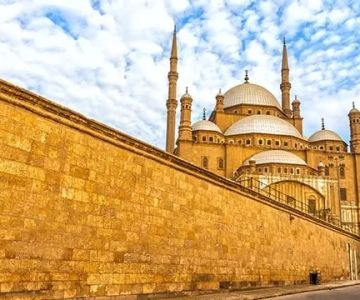
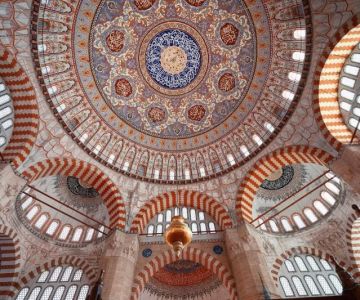
Domes remained central to mosque identity, but their shape and construction sometimes reflected European engineering techniques. Onion-shaped domes, for example, were combined with materials and construction methods introduced during the colonial period.
3. Clock towers and minaret variations
Some mosques incorporated features that resembled British civic buildings, such as clock towers. These additions were not purely decorative—they symbolized a blending of administrative and religious spaces during that era.
4. Materials and construction methods
Brickwork, plaster finishes, and imported materials became more common. These choices allowed for larger, more durable structures, but they also subtly shifted the visual identity of mosques across the region.
3. Fusion of Islamic and Colonial Design
What makes Malaysian mosques particularly compelling is not just the presence of British influence, but how seamlessly it blends with Islamic traditions. This fusion created a distinct architectural language that still defines many historic mosques today.
1. Spiritual function meets colonial form
Despite the external influences, the internal layout of mosques remained aligned with Islamic practices. Prayer halls, mihrabs, and ablution areas were preserved, ensuring that functionality was never compromised.
2. Adaptation to tropical climate
One of the most practical outcomes of this fusion was climate adaptation. High ceilings, լայն verandas, and ventilation systems influenced by colonial buildings helped make mosques more comfortable in Malaysia’s humid environment.
3. Aesthetic storytelling through design
The combination of Moorish, Mughal, and British colonial styles created visually rich structures. Each element tells a story—not just of religion, but of history, migration, and cultural exchange.
4. Real-World Examples and Cultural Impact
One of the most iconic examples often discussed is the Sultan Abdul Samad Jamek Mosque in Kuala Lumpur. Its striking arches and domes reflect a mix of Indo-Saracenic and colonial influences. Visitors frequently describe the experience of seeing it at sunset as something almost cinematic—a reminder of how architecture can evoke emotion as well as history.
I once spoke to a traveler who said that visiting these mosques felt like “walking through a living museum.” That idea stuck with me. These buildings aren’t frozen in time—they are still active places of worship, deeply embedded in community life.
This dual role—historical landmark and spiritual center—adds to their significance. It also explains why they continue to attract both worshippers and curious travelers alike.
5. What Modern Travelers Can Learn
For travelers, understanding the legacy of British-era architecture in Malaysian mosques offers more than just visual appreciation—it provides context. It helps you see beyond the surface and recognize the layers of history that shaped each structure.
1. Look beyond the obvious details
Instead of focusing only on domes or minarets, pay attention to materials, proportions, and layout. These subtle elements often reveal the strongest colonial influences.
2. Connect architecture with history
Each mosque reflects a specific period in Malaysia’s past. Understanding that timeline can deepen your appreciation for what you’re seeing.
3. Travel with intention
Exploring these architectural sites becomes far more meaningful when you approach them with curiosity and awareness. Many travelers find that guided experiences or curated itineraries enhance this understanding.
If you’re planning to explore Malaysia’s architectural heritage, platforms like UAK Travel can help you discover routes, experiences, and destinations that highlight these unique historical influences. It’s one thing to read about these structures—but seeing them in person brings the story to life in a way that no article ever could.
 Salam 2 Homestay Penang4.0 (30 reviews)
 LAREINE SKIN AND BODY WELLNESS4.0 (38 reviews)
![SURAU AN-NUR [Apt.Tmn.Cahaya]](https://img.uaktravel.com/d32/2506/1704287828927429_150x150.webp) SURAU AN-NUR [Apt.Tmn.Cahaya]5.0 (1 reviews)
SURAU AN-NUR [Apt.Tmn.Cahaya]5.0 (1 reviews) RUMAH JAHARA5.0 (18 reviews)
 San Francisco Coffee Menara Keck Seng4.0 (13 reviews)
 SEMERAH ENTERPRISE SDN BHD4.0 (9 reviews)
 Exploring the Unique Designs of Mosques in Malaysia: A Journey Through Islamic Architecture
 Exploring the Architectural Beauty of Mosques in Malaysia: A Journey Through Islamic Architecture
 How to Get to the Famous Mosques in Kuala Lumpur by Public Transport: A Complete Travel Guide
 Visiting Malaysia’s Most Famous Mosques During Eid: A Unique Cultural Experience
 Top Mosques to Visit During Ramadan in Malaysia: A Traveler's Guide
 Discover the History of Masjid Titiwangsa in Kuala Lumpur: A Cultural and Architectural Gem