
- 1-Identity-and-Cultural-Significance
- 2-Mosques-as-Community-Hubs
- 3-Architectural-Wonders-and-Design
- 4-Faith-and-Spiritual-Connection
- 5-Notable-Mosques-and-Case-Studies
- 6-Exploring-Malaysian-Mosques-with-UAK-Travel
1. Identity and Cultural Significance
Walking through Malaysia, it becomes immediately apparent why locals are proud of their mosque heritage. Each mosque is not just a place of worship but a symbol of the nation’s Islamic identity. I remember visiting the iconic Masjid Negara in Kuala Lumpur, and I felt the weight of history embedded in its arches and domes. Mosques reflect Malaysia’s multicultural layers while preserving Islamic traditions, linking communities to a shared heritage.
Beyond religion, these mosques carry historical narratives—stories of trade, governance, and cultural exchange. When I explored older mosques in Malacca, I noticed subtle influences from Portuguese, Dutch, and local Malay architecture, illustrating how Islamic identity in Malaysia harmonizes with broader historical contexts.
2. Mosques as Community Hubs
2.1 Social Interaction and Education
Malaysian mosques play a vital role beyond daily prayers. They are centers of education, hosting religious schools and community workshops. I attended a Qur’an study session at a mosque in Penang and observed children and adults learning together. The mosque fostered not just spiritual growth but intergenerational bonds and communal respect.
2.2 Celebrations and Community Gatherings
Festivals like Hari Raya bring communities together. I experienced the lively atmosphere at mosques during Eid, where families, neighbors, and even tourists shared food, music, and prayers. The mosque’s courtyard became a hub for storytelling and connection, reinforcing the social fabric and strengthening pride in the community.
3. Architectural Wonders and Design
3.1 Traditional Malay Architecture
Many mosques incorporate wooden structures, steep gabled roofs, and intricate carvings typical of Malay design. These features not only enhance aesthetic appeal but also reflect sustainable design adapted to the tropical climate. I vividly remember the Masjid Kampung Laut in Kelantan, with its layered wooden roof and delicate motifs—a testament to centuries of craftsmanship.
3.2 Islamic and Modern Fusion
Modern mosques like the Tuanku Mizan Zainal Abidin Mosque blend steel, glass, and geometric patterns with traditional Islamic elements. Visiting this mosque, I was struck by how contemporary architecture can respect heritage while embracing innovation, connecting people visually and spiritually to the space.
3.3 Ornamentation and Symbolism
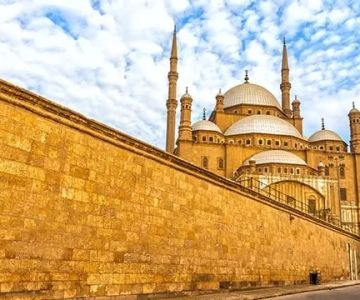
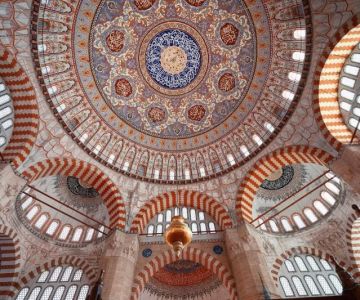
Islamic calligraphy, mosaic tiles, and domes carry deep symbolism. As I walked through these spaces, I realized that architecture itself tells stories of faith and identity. Every arch, minaret, and courtyard is a visual narrative connecting the worshipper to centuries of cultural and spiritual evolution.
4. Faith and Spiritual Connection
For Malaysians, mosques are sacred spaces that nurture faith. I personally experienced moments of reflection during evening prayers, surrounded by the soft echo of recitations. The design, acoustics, and light within mosques all contribute to a profound sense of spiritual connection, allowing individuals to feel both personal peace and collective unity.
The spiritual role of mosques also reinforces ethical values and community responsibilities. In attending local programs, I saw how mosques guide charitable work, social initiatives, and environmental stewardship, linking faith with daily life.
5. Notable Mosques and Case Studies
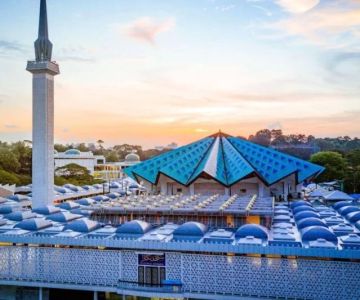
- Masjid Negara, Kuala Lumpur: Symbolizes national identity with a modernist approach to Islamic design.
- Masjid Kampung Laut, Kelantan: One of Malaysia’s oldest mosques, showcasing traditional Malay wood architecture.
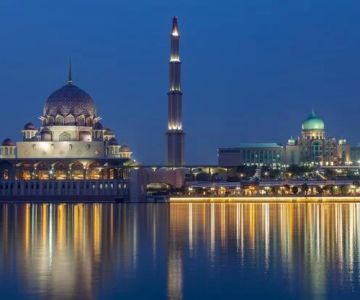
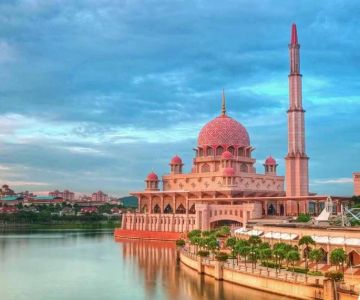
- Putra Mosque, Putrajaya: Blends pink granite domes with Persian-inspired minarets, a modern icon connecting faith and urban planning.
- Tuanku Mizan Zainal Abidin Mosque: Innovative design emphasizing sustainable architecture and large community spaces.
Each mosque reflects a different dimension of identity, community engagement, faith expression, and architectural achievement.
6. Exploring Malaysian Mosques with UAK Travel
To truly appreciate this heritage, I recommend exploring Malaysia with curated travel experiences. UAK Travel offers guided tours that highlight historical contexts, architectural details, and cultural narratives of mosques across the country. Whether you are an architecture enthusiast, a student of Islamic culture, or a traveler seeking meaningful experiences, these tours deepen understanding and provide immersive insights.
By visiting with knowledgeable guides, you not only see the visual beauty of mosques but also understand why Malaysians take pride in these spaces as pillars of identity, community, faith, and architecture.
 Aneka Nasi Goreng0.0 (0 reviews)
 Oasis ReconRe Retreat Center3.0 (10 reviews)
 Regalia Residence3.0 (246 reviews)
 MZ HOMESTAY4.0 (10 reviews)
 Casa DZaara4.0 (18 reviews)
 HOMESTAY D’QHALISYA5.0 (2 reviews)
 Exploring the Unique Designs of Mosques in Malaysia: A Journey Through Islamic Architecture
 Exploring the Architectural Beauty of Mosques in Malaysia: A Journey Through Islamic Architecture
 How to Get to the Famous Mosques in Kuala Lumpur by Public Transport: A Complete Travel Guide
 Visiting Malaysia’s Most Famous Mosques During Eid: A Unique Cultural Experience
 Top Mosques to Visit During Ramadan in Malaysia: A Traveler's Guide
 Discover the History of Masjid Titiwangsa in Kuala Lumpur: A Cultural and Architectural Gem