

Explore Malaysia's Best Mosques | UAK Travel Blog on Islamic Heritage Tourism
 How to Combine Mosque Visits with Festivals — Cultural Sensitivity & Enjoyment During Eid or Ramadan in Malaysia
Learn how to combine mosque visits with festivals in Malaysia during Eid or Ramadan. Discover cultural sensitivity tips and enjoy your experience while respecting local traditions. 1. Understanding the Cultural Significance of Eid and Ramadan in Malaysia 2. Planning Your Visit to Mosques and Festivals During Eid and Ramadan 3. Cultural Sensitivity During Mosque Visits 4. Top Festivals and Mosques to Visit During Eid and Ramadan 5. Tips for Enjoying Ramadan and Eid Festivals in Malaysia 1. Understanding the Cultural Significance of Eid and Ramadan in Malaysia As a visitor to Malaysia, it’s important to understand the cultural and religious significance of Ramadan and Eid before planning your trip. During Ramadan, Muslims fast from dawn until sunset, and it’s a time for self-reflection, charity, and community. The end of Ramadan is celebrated with Eid, one of the most important religious festivals in Malaysia, which involves large family gatherings, prayers at mosques, and festive meals. While Malaysia is a predominantly Muslim country, it is also a diverse and multicultural society, with a rich mix of traditions. This means that during Ramadan and Eid, you’ll encounter a blend of cultural and religious events, many of which you can enjoy with respect and understanding. By knowing what to expect, you can ensure that your mosque visits and festival experiences are both enjoyable and culturally sensitive. 2. Planning Your Visit to Mosques and Festivals During Eid and Ramadan When planning your visit to Malaysia during Eid or Ramadan, it’s important to prepare for the unique atmosphere and traditions of the season. As a visitor, you can combine mosque visits with festival celebrations for an enriching experience. Here are some tips I followed when planning my own visit during this special time: 2.1 Timing Your Visit One of the most important factors when visiting Malaysia during Ramadan and Eid is timing. Since Muslims fast from dawn until sunset, many restaurants, shops, and tourist sites have adjusted hours during Ramadan. However, during Eid, the celebrations ramp up, and many businesses remain closed for several days. I made sure to schedule my mosque visits in the early morning or after sunset, when the mosques are more relaxed, and prayer times have concluded. Visiting mosques after Iftar (the evening meal that breaks the fast) allowed me to experience the peaceful, reflective atmosphere of the prayer halls. 2.2 Choosing Which Mosques to Visit Malaysia is home to a variety of beautiful mosques, each with its own architectural style and historical significance. I recommend visiting iconic mosques like the Sultan Abdul Samad Mosque in Kuala Lumpur or the Putra Mosque in Putrajaya, where you can experience the serenity of Islamic worship while admiring the architectural marvels. Many of these mosques also offer cultural tours, which were incredibly educational and gave me deeper insight into the role of Islam in Malaysian culture during Ramadan. 3. Cultural Sensitivity During Mosque Visits Respecting local traditions and customs is crucial when visiting mosques in Malaysia during Ramadan and Eid. During my visits, I made sure to follow these guidelines to ensure that I was being culturally sensitive: 3.1 Dressing Modestly One of the first things I learned was the importance of dressing modestly when visiting mosques. I wore loose-fitting clothes that covered my arms and legs, as this is a sign of respect. Most mosques provide visitors with robes or shawls if your attire is not deemed appropriate. It’s always best to check beforehand and ensure you are dressed in a way that is respectful of the local customs. 3.2 Following Prayer Times During Ramadan and Eid, mosques host multiple prayer services throughout the day, including the special Tarawih prayers at night. I learned that it’s important to be respectful and quiet during prayer times. If you’re visiting during prayer, be mindful not to interrupt and to remain seated or standing silently. It’s also a great idea to join the prayers if you’re invited, as this can be a meaningful experience, even if you’re not Muslim. 3.3 Avoid Disruptions When visiting mosques, it’s important to avoid loud talking, taking photos during prayer times, or disrupting the worshippers. I found that many mosques had designated areas where tourists could sit and observe quietly. It’s always best to ask for permission if you wish to take photos or videos, as some mosques prefer not to have their sacred spaces photographed, especially during prayer times. 4. Top Festivals and Mosques to Visit During Eid and Ramadan During my visit to Malaysia, I had the chance to experience some of the top festivals and mosques, and it was truly unforgettable. Here are some of the best places I visited: 4.1 Kuala Lumpur Eid Fair The Kuala Lumpur Eid Fair is a must-visit during Eid. The fair is filled with vibrant street markets, food stalls, and cultural performances. It’s a great place to experience the festive spirit of Eid while enjoying traditional Malaysian dishes. I made sure to visit the fair after the evening prayers when the entire city seemed to come alive with energy and excitement. 4.2 Putra Mosque, Putrajaya Located in Putrajaya, the Putra Mosque is an architectural gem that is especially beautiful during Ramadan and Eid. The mosque has a stunning pink facade and is one of the most photographed landmarks in Malaysia. I enjoyed visiting this mosque for its peaceful atmosphere, and it’s a fantastic spot to reflect and observe local customs during the Ramadan and Eid celebrations. 4.3 Penang Eid Celebrations Penang is known for its rich cultural heritage, and during Eid, the island comes alive with various cultural events. From colorful parades to traditional performances, Penang offers a vibrant and authentic experience during the festival. I visited the local mosques in Penang and participated in the Eid prayers, which was a deeply moving experience. 5. Tips for Enjoying Ramadan and Eid Festivals in Malaysia To make the most of your visit to Malaysia during Ramadan and Eid, here are a few tips I found helpful: 5.1 Respect Local Customs and Traditions Be respectful of local customs, especially during Ramadan when people are fasting. I made sure to refrain from eating, drinking, or smoking in public during the day, as this is considered impolite. Understanding and respecting these customs helped me blend in and enjoy the cultural experience even more. 5.2 Explore Local Cuisine One of the best parts of visiting Malaysia during Eid is the food. After sunset, when the fast is broken, there are countless food options to try. I explored the local Ramadan bazaars, where I enjoyed a variety of traditional Malaysian dishes like nasi lemak, satay, and kuih. The food during Eid is a highlight of the experience! If you're planning to visit Malaysia during Ramadan or Eid, make sure to explore the rich cultural heritage, visit stunning mosques, and enjoy the festive spirit while being mindful of local traditions. For more travel tips and recommendations, visit UAK Travel for the best cultural experiences and accommodations in Malaysia.
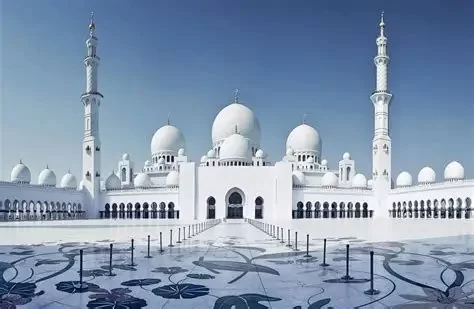 Why Some Travellers Prefer Mosque-Centric Trips — Peace, Culture, History & Spirituality
Discover why some travellers prefer mosque-centric trips, exploring the peace, culture, history, and spirituality found in iconic mosques around the world. Learn about the transformative experiences these trips offer.
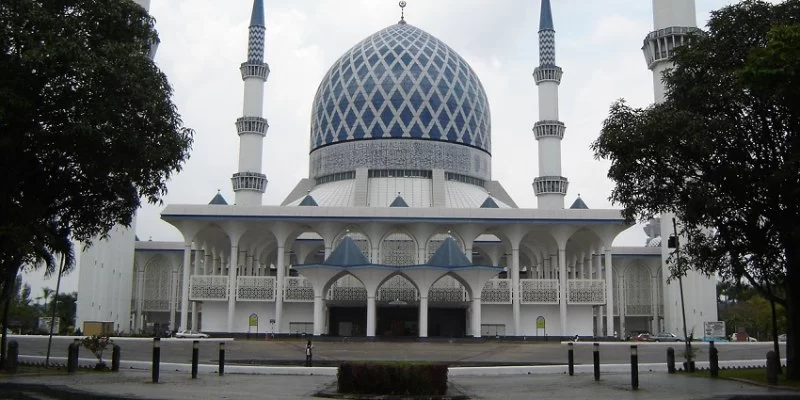 Visiting Malaysian Mosques in Rainy Season: What to Know & How to Prepare
Learn how to prepare for visiting Malaysian mosques during the rainy season. Discover helpful travel tips and cultural insights to make the most of your trip to these iconic sites.
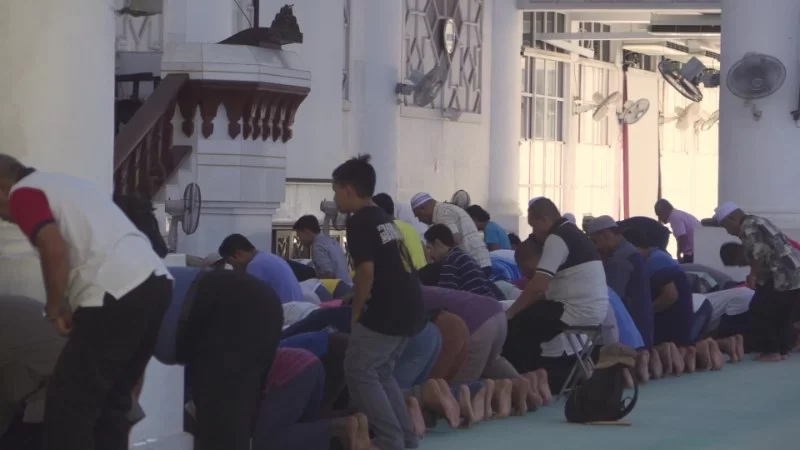 Planning Ramadan Travel in Malaysia: Mosque Access, Prayer Times, and Cultural Dos & Don’ts
"Planning a trip to Malaysia during Ramadan? Learn about mosque access, prayer times, cultural dos & don’ts, and practical tips for a respectful and memorable travel experience."
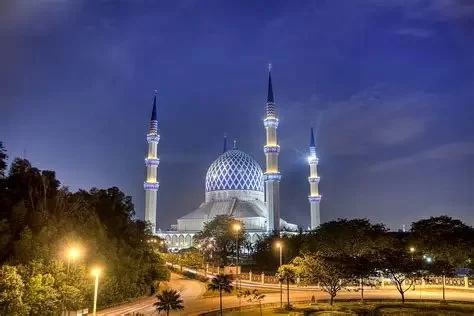 How Mosque Visit Experiences Differ Between Urban Kuala Lumpur and Rural Malaysian Countryside
"Discover how mosque visits in Kuala Lumpur differ from those in rural Malaysia. Explore the cultural, architectural, and community contrasts between urban and rural mosque experiences."
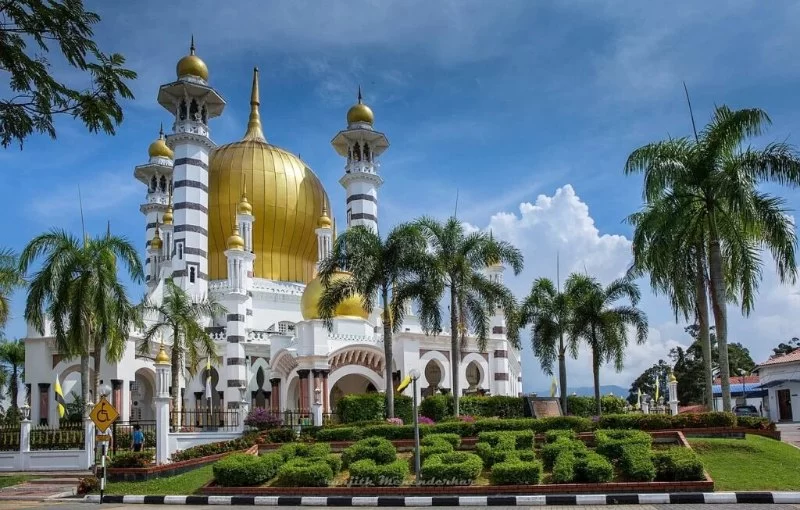 Discover the Rich History Behind Mosque Stories and Oral Histories in Malaysia
Explore the fascinating stories and oral histories shared by elders about Malaysia's historic mosques. Learn how these mosques shaped the culture and community over the years.
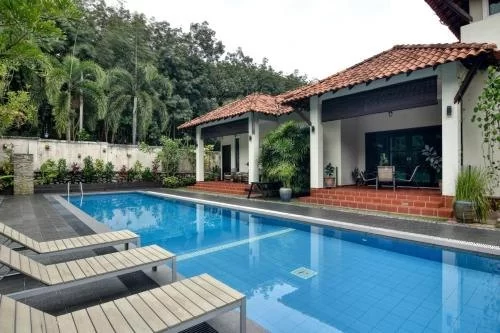 Mosque-Friendly Homestays: Staying Near Mosque Districts for a Local Experience
Discover the charm of staying in mosque-friendly homestays located near mosque districts. Learn about the local cultural experience, and how these homestays offer unique, authentic stays for travelers.
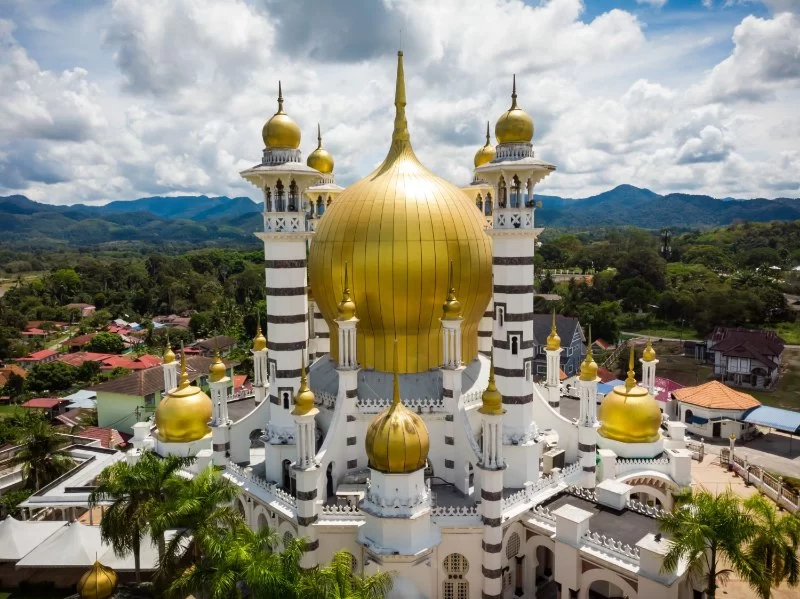 How Visiting Mosques Can Add Depth to Your Malaysia Travel Experience — Beyond Beaches and Shopping
Discover how visiting mosques can add depth to your Malaysia travel experience beyond beaches and shopping. Explore culture, architecture, and real traveler insights for a more meaningful journey.
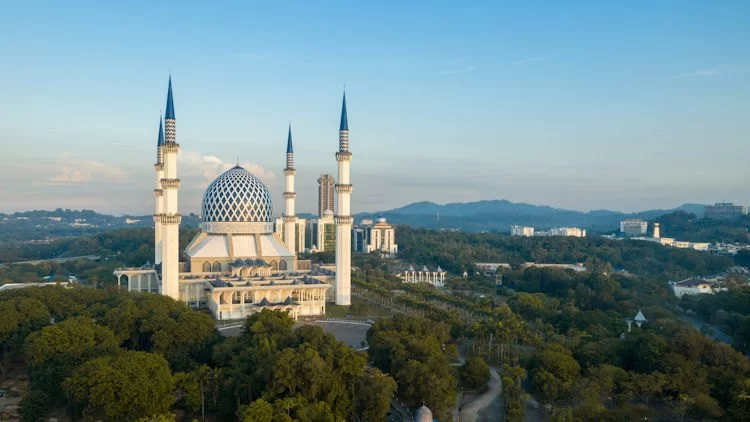 Mosques & Local Festivals in Malaysia: Where Culture, Faith, and Tourism Meet
Discover how mosques and local festivals in Malaysia blend culture, faith, and tourism. Learn about the country’s rich traditions and the vibrant festivals that make it a top destination for cultural tourism.
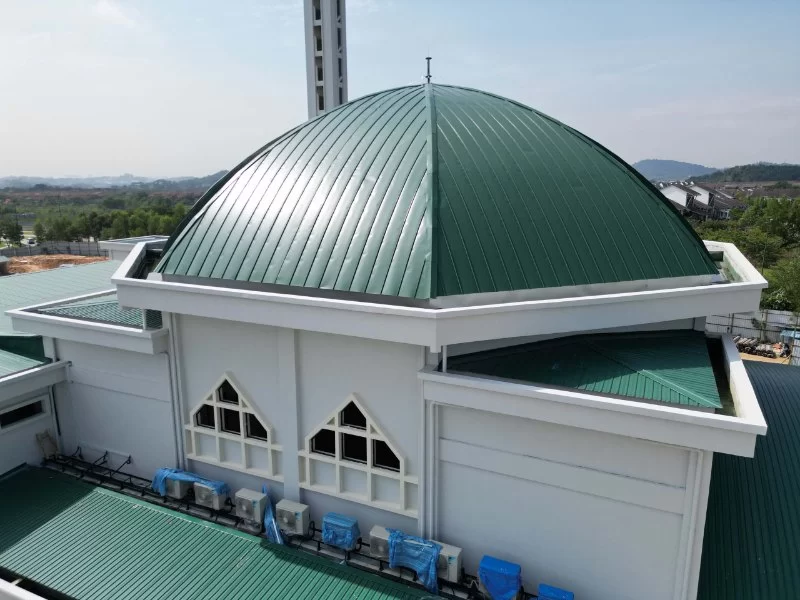 Behind the Dome Craftsmanship and Materials in Malaysia Mosques
Explore the craftsmanship and materials behind Malaysia’s historic mosques, uncovering architectural techniques, cultural influences, and timeless design elements.
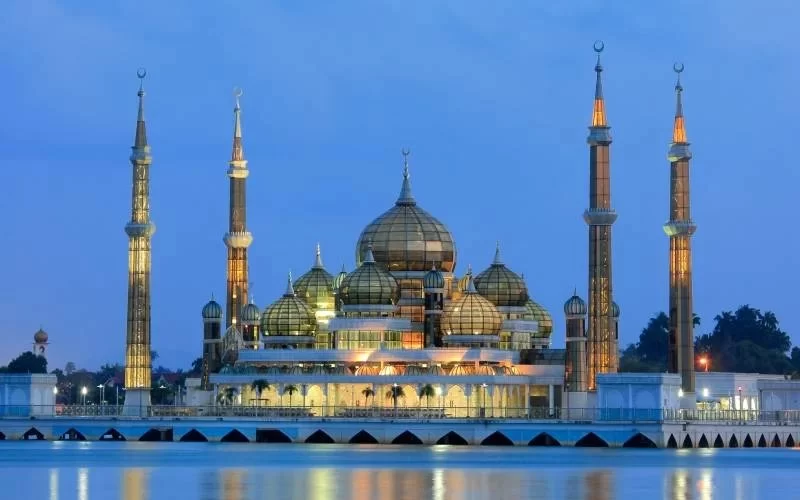 How to Respect Ramadan Timing When Visiting Mosques as a Tourist in Malaysia
Learn how to respect Ramadan timing when visiting mosques as a tourist in Malaysia. Understand the cultural norms, prayer schedules, and tips for a respectful visit during this holy month.
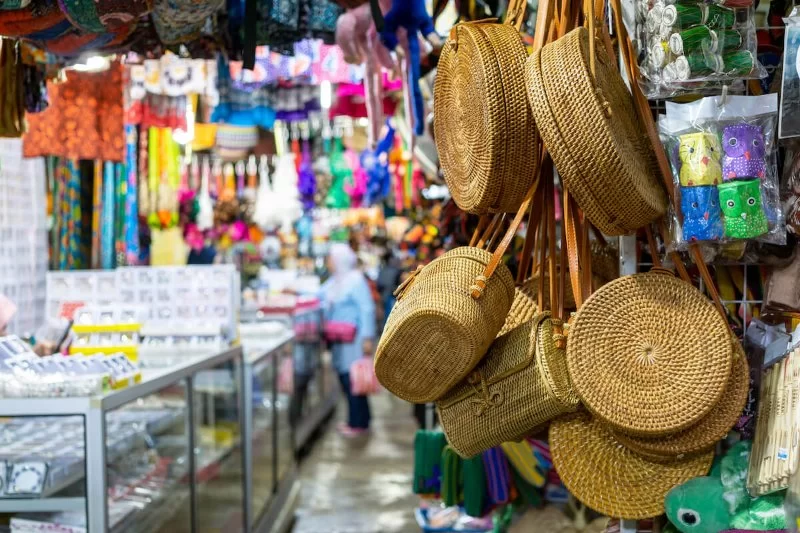 Malaysian Mosque Souvenirs — What to Buy and What to Respect
Discover the best souvenirs to buy when visiting Malaysian mosques, and learn about the cultural importance of respecting local traditions and practices.
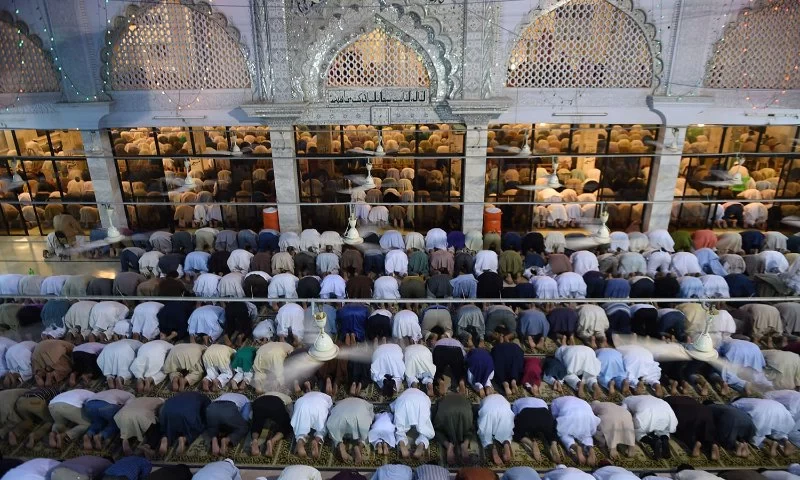 The Ultimate Guide to Mosque Etiquette in Malaysia
Learn the do's and don'ts of mosque visits in Malaysia with this respectful travel guide. Discover tips on etiquette, cultural appreciation, and travel advice to make your visit meaningful.
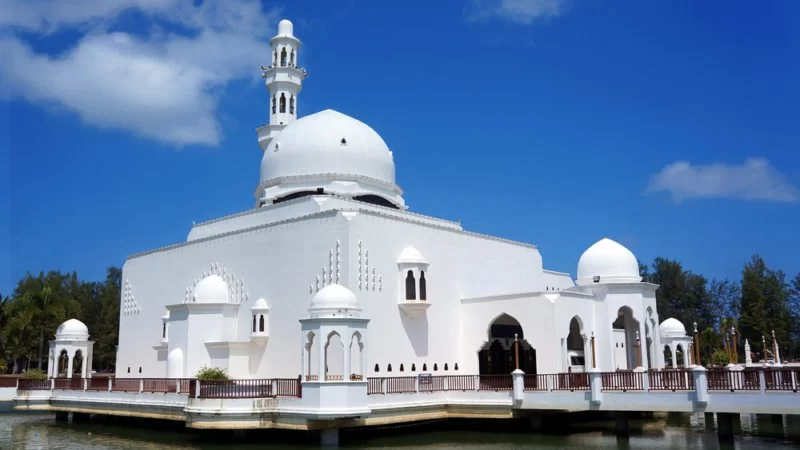 Mosque-Based Itineraries for 7, 14, or 21 Days in Malaysia | Cultural and Faith-Based Travel
Discover mosque-based itineraries in Malaysia for 7, 14, or 21 days. Explore faith, culture, and heritage with tailored travel routes to Malaysia's top mosques and cultural sites.
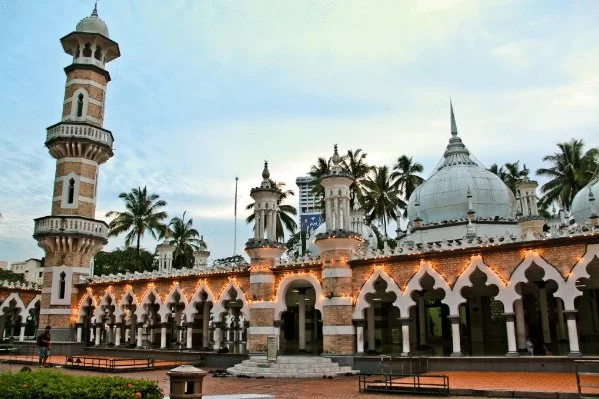 Short & Easy Mosque Visits from KL — Perfect for Busy Travelers or Layover Days
Discover the best mosques for short visits during your Kuala Lumpur layover. Explore cultural tours and easy mosque visits, perfect for busy travelers with limited time.
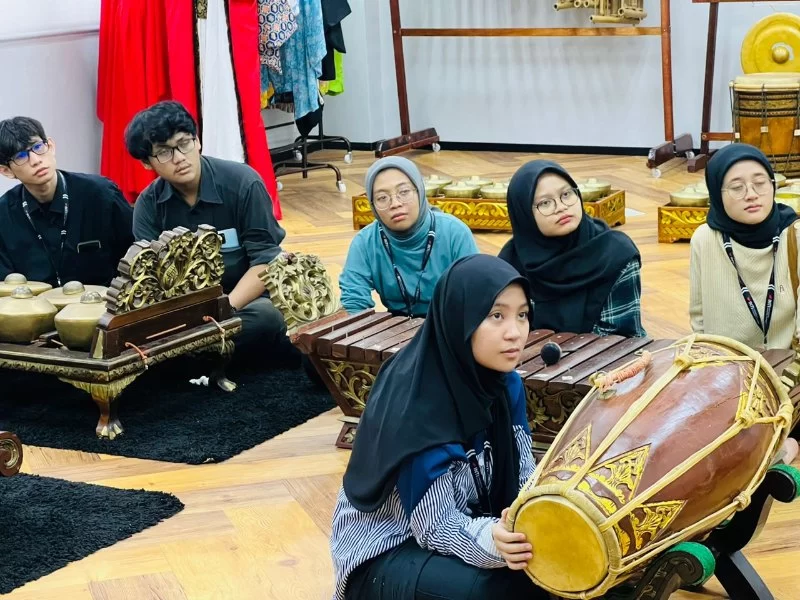 Cultural Immersion in Malaysia: Mosque Visits, Homestays, and Local Experiences
Discover how to combine mosque visits with homestays and local community experiences in Malaysia. Learn about the benefits of cultural immersion and explore the best places to stay and visit.
 How Mosque Visits Can Enrich Your Understanding of Malaysian History and Architecture
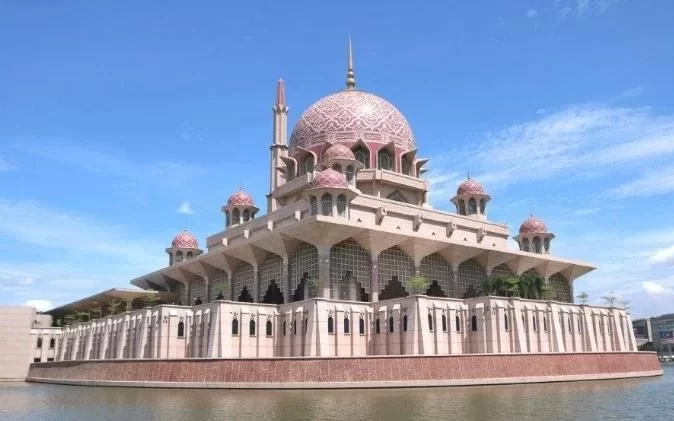
Discover how visiting mosques in Malaysia can deepen your understanding of the country’s history and architectural heritage. Learn about the cultural and historical significance of these sacred sites. The Cultural Significance of Mosques in Malaysia Exploring Malaysian Architecture Through Mosques Notable Mosques to Visit in Malaysia How Mosque Visits Enhance Understanding of Local HistoryThe Cultural Significance of Mosques in MalaysiaAs someone who’s traveled extensively across Malaysia, I’ve had the privilege of visiting many of the country’s most stunning mosques. These places of worship are not just religious sites; they are rich in history, culture, and architecture. For anyone seeking a deeper understanding of Malaysia’s heritage, visiting a mosque is one of the best ways to experience the country’s multifaceted identity.In Malaysia, mosques play an integral role in the community. They are hubs of social interaction, learning, and religious practice. But beyond their spiritual function, mosques also reflect the country’s diverse cultural influences. The design of mosques in Malaysia often blends Islamic, Malay, and colonial elements, creating unique and visually striking structures. By visiting these mosques, visitors like myself can gain insight into the country’s religious traditions, historical evolution, and the melding of various cultural influences over the centuries.Exploring Malaysian Architecture Through MosquesThe architectural beauty of mosques in Malaysia is something that never ceases to amaze me. The intricate designs, stunning domes, minarets, and courtyards are not just visually captivating—they also tell the story of Malaysia’s evolution as a melting pot of cultures. As a lover of both history and architecture, I’ve spent hours marveling at the construction details, the symbolism behind the designs, and the blend of traditional and modern styles.Many mosques in Malaysia are designed with Islamic principles in mind, featuring elements like large courtyards, high ceilings, and large prayer halls that accommodate large congregations. However, they also integrate local architectural styles. For example, the Masjid Jamek in Kuala Lumpur combines Moorish, Islamic, and colonial influences, making it an architectural masterpiece. On the other hand, the Sultan Salahuddin Abdul Aziz Mosque in Shah Alam is known for its blue dome and modern architectural style, which stands out as a symbol of Malaysia’s progress and innovation.Visiting these mosques allows one to witness the beauty of traditional Islamic design combined with Malaysia’s unique local elements. Each mosque tells a different story, and I’ve often found that these architectural marvels provide a deeper understanding of the region’s cultural development and religious significance.Notable Mosques to Visit in MalaysiaDuring my travels across Malaysia, I’ve had the pleasure of visiting some truly spectacular mosques that highlight the country’s diverse architectural landscape. Here are a few must-visit mosques that I recommend if you’re interested in exploring Malaysian history and architecture: Masjid Negara (National Mosque), Kuala Lumpur: Located in the heart of the capital, Masjid Negara is one of the largest mosques in Malaysia. Its modern architecture, with a unique star-shaped dome, blends beautifully with traditional Islamic design elements. The mosque is a symbol of Malaysia’s commitment to embracing both its Islamic heritage and contemporary ideals. Masjid Jamek, Kuala Lumpur: This mosque is one of the oldest in Kuala Lumpur and stands as an iconic example of Moorish-inspired Islamic architecture. Its red-and-white striped arches, minarets, and domes create a striking visual that captures the essence of the city’s colonial past and Islamic influence. Sultan Salahuddin Abdul Aziz Mosque, Shah Alam: Known for its impressive blue dome, this mosque is one of the largest in Southeast Asia. The mosque’s beautiful design and its peaceful setting make it a must-visit for anyone looking to explore the blend of Islamic architecture with modern elements in Malaysia. Putra Mosque, Putrajaya: Situated by a serene lake, the Putra Mosque is known for its pink granite dome and stunning views. It is a perfect example of Malaysia’s contemporary Islamic architecture, reflecting the country’s forward-thinking approach while maintaining deep respect for its traditions.How Mosque Visits Enhance Understanding of Local HistoryFor me, visiting mosques in Malaysia has always been more than just an opportunity to admire beautiful buildings—it’s been a journey through history. Each mosque I’ve visited has provided a window into the cultural and historical contexts that shaped Malaysia into the country it is today. Here’s why mosque visits are such an enriching experience for understanding local history: Connection to Colonial History: Many mosques in Malaysia, especially those built during the colonial period, reflect the influence of British, Dutch, and other colonial powers. For instance, the Masjid Jamek in Kuala Lumpur was built in the early 20th century during British rule, and its design shows a mix of British colonial architecture with Islamic motifs. Visiting these mosques gives insight into how the country’s history is woven into its architectural landscape. Religious and Cultural Integration: The design and establishment of mosques in Malaysia are closely tied to the cultural evolution of the country. The blending of local Malay traditions with Islamic practices is evident in the intricate designs of the mosques. For example, the use of indigenous materials and local craftsmanship is common in many mosques, showcasing how the country’s diverse cultures and traditions have shaped religious practices. Symbol of Unity and Identity: Mosques in Malaysia are not only places of worship but also serve as symbols of unity. Many mosques are designed to bring people together, whether through large prayer halls or communal spaces. As I’ve visited different mosques, I’ve come to appreciate how they have historically served as places of community and social gathering, fostering unity among Malaysia’s diverse population.If you’re interested in diving deeper into Malaysia’s rich history and architecture, I highly recommend exploring some of these mosques in person. A visit to these sacred sites will leave you with a deeper appreciation for the country’s cultural evolution and architectural prowess. For a more detailed travel guide and recommendations, you can visit UAK Travel for more information on the best places to visit in Malaysia.
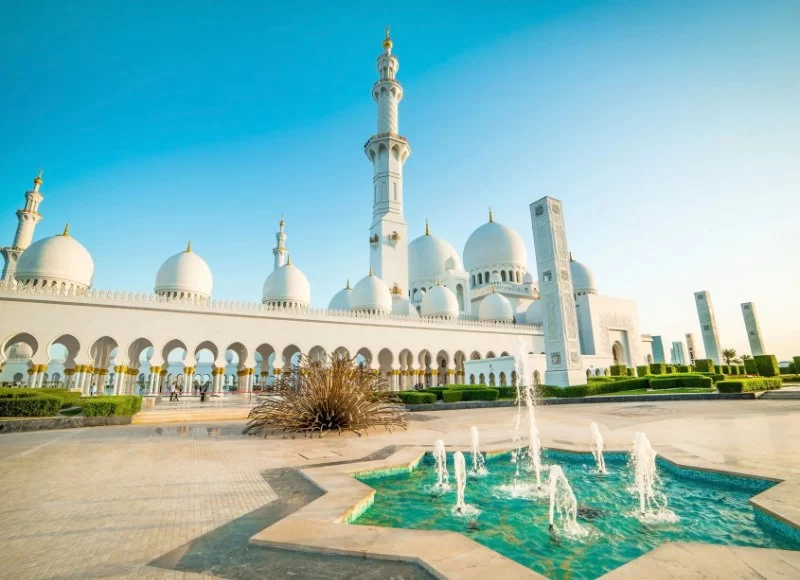 Visiting Malaysian Mosques During the Rainy Season: What You Need to Know
Learn how to prepare for a visit to Malaysian mosques during the rainy season. Get essential tips on packing, etiquette, and enjoying your trip despite the weather.
Categories
Popular
 Taman Arca Antarabangsa Shah Alam5.0 (1 reviews)
 MY TOTAL Sdn Bhd3.0 (9 reviews)
 小廚房 Simple Kitchen (Former 彩香茶室 Restoran Choy Heong)3.0 (29 reviews)
 AZ SEAFOOD IKAN BAKAR 24.0 (11 reviews)
 AEON Mall Rawang4.0 (11992 reviews)
 Gerai Sabar Menanti4.0 (20 reviews)
Must-Read Blog Posts
Most Searched
Trending Blog Posts
 Exploring the Unique Designs of Mosques in Malaysia: A Journey Through Islamic Architecture
 Exploring the Architectural Beauty of Mosques in Malaysia: A Journey Through Islamic Architecture
 How to Get to the Famous Mosques in Kuala Lumpur by Public Transport: A Complete Travel Guide
 Visiting Malaysia’s Most Famous Mosques During Eid: A Unique Cultural Experience
 Top Mosques to Visit During Ramadan in Malaysia: A Traveler's Guide
 Discover the History of Masjid Titiwangsa in Kuala Lumpur: A Cultural and Architectural Gem