
Exploring Malaysia’s Ottoman-Malay Blend at the Federal Territory Mosque
Malaysia’s rich cultural history is woven from a unique blend of influences, and one of the best places to experience this fusion is at the Federal Territory Mosque in Kuala Lumpur. As you approach the mosque, the combination of Ottoman architecture with traditional Malay design immediately captures your attention. In this article, we’ll explore how this captivating blend of styles comes to life at the Federal Territory Mosque, and how it reflects Malaysia’s diverse cultural heritage.
1. The Federal Territory Mosque: A Symbol of Malaysia's Cultural Harmony
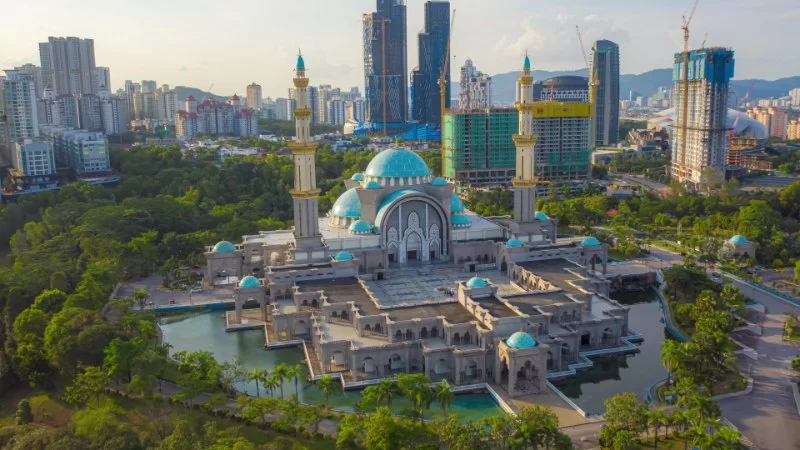
The Federal Territory Mosque, or Masjid Wilayah Persekutuan, was completed in 2000 and is one of the most iconic landmarks in Kuala Lumpur. As you step inside, you are immediately immersed in a space that harmonizes the best of two worlds: the grandeur of Ottoman design and the grace of Malay architectural traditions. This architectural masterpiece doesn’t just serve as a place of worship but also as a symbol of the rich and diverse cultural fabric that defines Malaysia.
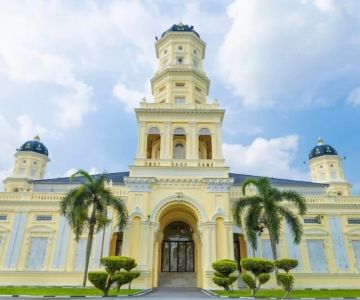
Architecturally, the mosque incorporates elements from Ottoman architecture, particularly the vast dome, which is a hallmark of Ottoman mosques. However, the mosque also blends these influences with traditional Malay styles, featuring intricate woodwork and beautifully landscaped courtyards that are characteristic of the region. This fusion creates a welcoming space that celebrates the harmony between East and West, old and new.
2. The Ottoman Influence: Majestic Domes and Symmetry
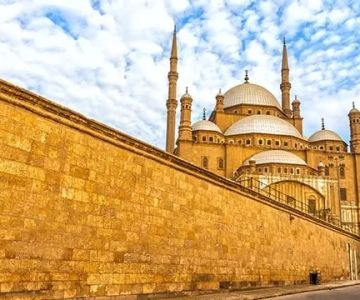
The Ottoman Empire is known for its architectural achievements, especially its mosques. The most iconic feature of Ottoman architecture is the large, central dome that often dominates the skyline of a mosque. The Federal Territory Mosque pays homage to this feature with its grand dome, which stands tall against the Kuala Lumpur skyline. The dome is flanked by four smaller domes, creating a sense of symmetry and balance that is characteristic of Ottoman design.
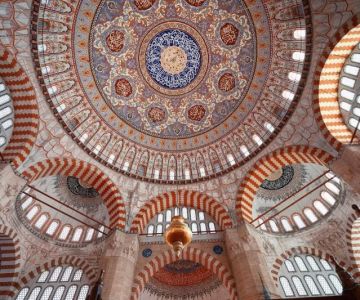
The interior of the mosque is equally stunning, with expansive ceilings, towering arches, and columns that support the weight of the dome. The use of light filtering through windows creates a serene ambiance that enhances the spiritual experience for visitors. The combination of the mosque’s size and its ornate detailing evokes the grandeur of Ottoman architecture, which sought to create awe-inspiring spaces for worship.
3. Traditional Malay Elements: Nature, Woodwork, and Courtyards
While the Ottoman influence is evident in the mosque’s exterior and its large dome, the interior and surrounding landscape reflect traditional Malay design principles. One of the most noticeable Malay elements is the intricate woodwork found throughout the mosque. From beautifully carved doors to delicately designed ceilings, the craftsmanship on display is a nod to Malaysia’s rich history of skilled woodworkers.
The design of the mosque’s courtyards is another testament to traditional Malay aesthetics. These outdoor spaces are designed to evoke a sense of tranquility and connection with nature, which is central to Malay architectural traditions. Lush greenery, flowing water features, and peaceful seating areas create an inviting atmosphere that encourages reflection and contemplation. The careful attention to landscaping within the mosque grounds mirrors the traditional Malay love for nature and harmony with the environment.
4. The Fusion of Cultures: A Perfect Harmony
What makes the Federal Territory Mosque truly unique is how seamlessly it blends Ottoman and Malay architectural styles. The mosque stands as a testament to the cultural fusion that defines Malaysia, where influences from various regions have combined over centuries to create something entirely new and beautiful. This fusion of cultures isn’t just an architectural feat; it’s also a reflection of Malaysia’s own diverse cultural landscape, where Malay, Chinese, Indian, and other cultures coexist and influence one another.
As you explore the mosque, you can see how the Ottoman emphasis on grandeur and formality meets the Malay focus on tranquility and natural beauty. This combination doesn’t just create a beautiful building but a space that embodies the spirit of unity and cultural exchange.
5. The Role of the Federal Territory Mosque in Contemporary Malaysia
Beyond its architectural beauty, the Federal Territory Mosque plays an important role in the cultural and spiritual life of Malaysia. As one of the largest mosques in the country, it serves as a hub for religious activities, community outreach, and cultural events. The mosque’s design is a reflection of Malaysia’s commitment to maintaining its rich cultural heritage while embracing modernity.
The mosque also serves as a place of education, with various programs designed to teach visitors about Islam, Islamic architecture, and the history of Malaysia’s diverse religious and cultural communities. Its blend of Ottoman and Malay styles offers visitors a unique opportunity to learn about the intersections of these two rich cultures, making it a must-visit destination for those interested in architecture, history, and culture.
6. Visiting the Federal Territory Mosque: A Journey Through Time and Culture
Visiting the Federal Territory Mosque is not just about admiring its architecture; it’s about experiencing the living history of Malaysia. The mosque’s design tells the story of Malaysia’s evolution, from its early Malay roots to its incorporation of Ottoman influences brought by traders, scholars, and travelers from the Middle East. Every stone and column speaks to a different chapter in the country’s history, making it a powerful symbol of Malaysia’s ability to blend different cultural traditions into something uniquely its own.
For those planning a visit, the mosque offers guided tours that explain its architectural details, the history behind its design, and its significance in contemporary Malaysian society. As you walk through the mosque, you are invited to not only appreciate its beauty but also reflect on the ways in which architecture can shape culture, spirituality, and community life.
For more information on the best cultural experiences in Malaysia, visit UAK Travel for personalized travel recommendations and services that cater to your unique interests. Whether you’re planning a visit to the Federal Territory Mosque or exploring other cultural landmarks, UAK Travel can help you create the perfect itinerary for your trip.
 Expressionz KLCC by Wodages3.0 (171 reviews)
 Homestay RM97 Serdang UPM MAEPS Bukit Jalil0.0 (0 reviews)
 URUTAN & BEKAM (Kejora Wellness SPA)4.0 (35 reviews)
 D,pinggiran Gunung Tebu Bilik Penginapan0.0 (0 reviews)
 Rakit Temerloh Salleh3.0 (22 reviews)
 Beary Home Hostel0.0 (0 reviews)
 Exploring the Unique Designs of Mosques in Malaysia: A Journey Through Islamic Architecture
 Exploring the Architectural Beauty of Mosques in Malaysia: A Journey Through Islamic Architecture
 How to Get to the Famous Mosques in Kuala Lumpur by Public Transport: A Complete Travel Guide
 Visiting Malaysia’s Most Famous Mosques During Eid: A Unique Cultural Experience
 Top Mosques to Visit During Ramadan in Malaysia: A Traveler's Guide
 Discover the History of Masjid Titiwangsa in Kuala Lumpur: A Cultural and Architectural Gem