
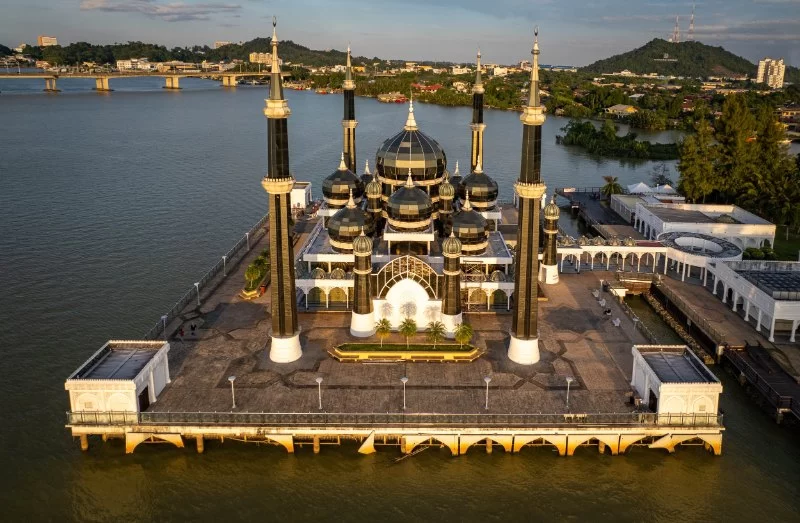
- 1. The Colonial Influence on Malaysian Mosques
- 2. Architectural Features of Sultanate Mosques
- 3. Modern Mosques and Contemporary Design in Malaysia
- 4. The Cultural Impact on Mosque Architecture
1. The Colonial Influence on Malaysian Mosques
When I first started learning about the history of architecture in Malaysia, one thing that stood out was the significant impact of the colonial period on the design of many mosques. The British, who colonized Malaysia from the late 18th century until the mid-20th century, introduced a range of European architectural elements. These elements blended with traditional Islamic design to create unique mosque structures that are still admired today.
Many mosques built during the colonial period in Malaysia show the use of European-style arches and domes. The blend of these influences resulted in mosques that had grand facades and decorative features reminiscent of Western architecture. However, these mosques still incorporated key Islamic elements, such as the use of domes, large prayer halls, and prayer niches (mihrabs), which are essential in any mosque's design.
For instance, the Masjid Jamek in Kuala Lumpur, built during the colonial era, is a stunning example of this fusion. Its Indo-Saracenic style features a blend of Islamic, British, and Indian design elements. As I explored this mosque, I couldn’t help but marvel at how the architecture tells a story of a time when different cultures and traditions met and influenced one another.
2. Architectural Features of Sultanate Mosques
Before colonial rule, Malaysia was home to several sultanates, and these kingdoms left a lasting mark on the architecture of mosques across the country. Sultanate-era mosques typically featured more traditional and local design elements, incorporating influences from the Malay Peninsula, Sumatra, and the broader Southeast Asian region.
During the Sultanate era, the mosques were characterized by their steep, pitched roofs and large wooden structures, often adorned with intricate carvings and decorations that reflected Islamic art's spiritual elements. The Masjid Sultan in Singapore, built during the Sultanate era, is a prime example. It features a classic Malay design, with its distinctive roof style and wooden columns.
The sultans played an important role in the development of these mosques, as their influence extended to both the political and religious spheres. These mosques served not just as places of worship but also as symbols of royal authority and cultural identity. I found it fascinating how these structures weren’t just about aesthetics—they reflected a time when religion and politics were intertwined, and the mosque was a powerful representation of the Sultan’s rule.
3. Modern Mosques and Contemporary Design in Malaysia
As Malaysia entered the modern era, particularly after gaining independence in 1957, the design of mosques evolved significantly. The modern era brought a new wave of architectural experimentation, where traditional styles began to blend with contemporary design principles. The introduction of new materials, such as concrete, glass, and steel, allowed architects to create mosques that were both functional and visually striking.
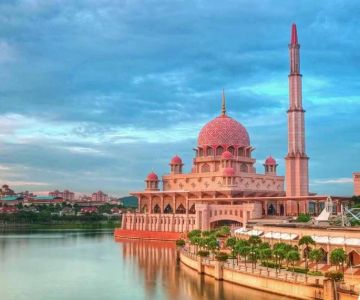
One of the most iconic examples of a modern mosque in Malaysia is the Putra Mosque in Putrajaya, which stands as a symbol of Malaysia's progress in the 21st century. Built with pink granite, its grand dome and impressive minarets are coupled with a contemporary design that integrates traditional Islamic patterns. I was particularly impressed by how the mosque's architecture not only embraced modern design but also paid homage to Malaysia’s Islamic roots.
Modern mosques in Malaysia now feature sleek, minimalist designs, often with large glass panels and open courtyards that allow for natural light. These mosques also make use of environmentally friendly materials and energy-efficient technologies, aligning with the country’s commitment to sustainability and green building practices. The blend of modernity with tradition is a testament to Malaysia’s ability to respect its history while embracing the future.
4. The Cultural Impact on Mosque Architecture
As I delved deeper into the architectural styles of Malaysian mosques, I couldn’t help but notice how much of the culture and history of the country is reflected in their design. Malaysia’s diverse cultural heritage, with influences from Malay, Indian, Chinese, and Islamic traditions, is visible in the construction of mosques across the country. The mix of these cultural elements has resulted in mosques that are unique in their style and design.
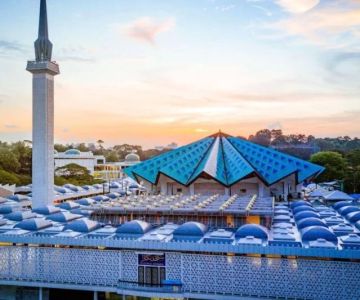
For example, the Masjid Negara in Kuala Lumpur, built in the 1960s, showcases Malaysia's modern and multicultural identity. Its 18-pointed star-shaped roof represents the 13 states of Malaysia and the federal territories, symbolizing unity and harmony. As I stood before this mosque, I realized how architecture can embody a nation’s values and its aspirations for the future.
Additionally, many mosques in Malaysia incorporate local artistic traditions, such as Islamic calligraphy, traditional tile work, and ornamental motifs. This fusion of various cultural influences, combined with Islamic religious principles, has produced a unique architectural landscape that speaks to Malaysia’s rich history and diverse society.

 Rest & Go0.0 (0 reviews)
 Homestay Masjid Hidayatul Muttaqin2.0 (6 reviews)
 Homestay Q Suite KL5.0 (5 reviews)
 Humairah Homestay @ IM85.0 (26 reviews)
 Seri Homestay3.0 (11 reviews)
 Ladang kelulut Voltan Agro5.0 (7 reviews)
 Exploring the Unique Designs of Mosques in Malaysia: A Journey Through Islamic Architecture
 Exploring the Architectural Beauty of Mosques in Malaysia: A Journey Through Islamic Architecture
 How to Get to the Famous Mosques in Kuala Lumpur by Public Transport: A Complete Travel Guide
 Visiting Malaysia’s Most Famous Mosques During Eid: A Unique Cultural Experience
 Top Mosques to Visit During Ramadan in Malaysia: A Traveler's Guide
 Discover the History of Masjid Titiwangsa in Kuala Lumpur: A Cultural and Architectural Gem