
ladang ane po Introduce
For many in Kelantan, the term 'ladang' evokes images of expansive green landscapes, often associated with the agricultural backbone of our state. While not a conventional 'garden' in the recreational sense, Ladang Ane Po represents a significant aspect of Kelantan's natural and economic environment. When we talk about Ladang Ane Po, we are referring to a plantation – a vast area dedicated to the cultivation of specific crops, playing a crucial role in the local economy and the livelihoods of many within the community.
In Kelantan, plantations, or 'ladang', are typically involved in key agricultural sectors such as oil palm and rubber, which are vital to Malaysia's economy. Ladang Ane Po, therefore, is not a public park or a botanical garden for leisure, but rather an active agricultural site. Understanding its function within the state provides valuable insight into the industries that shape our landscape and contribute to our daily lives. It's a place of production, illustrating the industrious spirit of Kelantan's agricultural sector.
The concept of 'ladang' is deeply embedded in the identity of rural Kelantan, representing the hard work and dedication involved in harnessing our natural resources. Ladang Ane Po, by its very existence, signifies a commitment to cultivation and contributes to the broader agricultural output of the state. For local users, knowing about such 'ladang' helps in appreciating the origins of many common products and the significant role that agriculture plays in sustaining our communities.
Location and Accessibility
Ladang Ane Po is situated in Kelantan, Malaysia, with its precise location identified by the geocode X43W+6H, 18300, Kelantan. For locals in Kelantan, understanding this address provides a clear indication of its general vicinity. The '18300' postcode suggests its presence within the larger district of Gua Musang, a vast area known for its diverse natural landscape, including significant agricultural and forested regions.
Given that Ladang Ane Po is a plantation, its accessibility for the general public might differ from that of a public park or a commercial establishment. Typically, plantations are working environments with restricted access for safety and operational reasons. However, its location within Kelantan means it is part of the state's vast agricultural footprint. For those familiar with Kelantan's geography, the X43W+6H geocode points to a specific area within the broader region, indicating its integration into the local land use. While direct public visits for recreational purposes are unlikely, its presence contributes to the overall economic and environmental landscape of the area.
Understanding the location of such a 'ladang' is important for various reasons: for local farmers and agricultural workers who might be associated with such operations, for businesses involved in the supply chain of agricultural products, and for residents who live in proximity to these large-scale cultivations. It helps in mapping out the agricultural zones of Kelantan and appreciating how different parts of the state contribute to its overall agricultural output. The address, therefore, serves as a locator for this significant agricultural entity within our home state.
Services Offered
As a 'ladang' or plantation, Ladang Ane Po primarily focuses on agricultural production rather than offering services directly to the general public in the manner of a typical consumer-facing business. Its "services" are inherently tied to its function as an agricultural enterprise. Based on common practices for plantations in Malaysia, especially in states like Kelantan known for their agricultural output, the services or functions it provides are largely industrial and ecological. These might include:
- Crop Cultivation: The core service is the large-scale cultivation of specific crops, most commonly oil palm or rubber, which are vital commodities. This involves systematic planting, nurturing, and harvesting processes.
- Raw Material Production: Ladang Ane Po serves as a producer of raw agricultural materials that are then processed into various end products. For instance, fresh fruit bunches (FFB) from oil palm plantations are processed into crude palm oil, and latex from rubber plantations is used for rubber products.
- Economic Contribution: By producing valuable agricultural commodities, the plantation contributes significantly to the local and national economy through export earnings and domestic supply.
- Employment Opportunities: Plantations are often major employers in rural areas, providing jobs for local communities in cultivation, harvesting, maintenance, and administrative roles. This is a crucial "service" in terms of community well-being and local livelihoods.
- Land Management: Effective land management practices are "provided" to ensure sustainable agricultural operations, including soil health management, pest control, and potentially water resource management within the plantation's boundaries.
- Environmental Stewardship (to varying degrees): Modern plantations are increasingly expected to adhere to sustainable practices, which can include efforts in biodiversity conservation, responsible water usage, and minimizing environmental impact, though this is a complex and evolving area for the industry.
- Research and Development (indirectly): Larger plantation groups, such as Kuala Lumpur Kepong Berhad (KLK) which is a major player in the industry, invest in R&D to optimize productivity and operational efficiency in their plantations. Ladang Ane Po, as a "ladang," could be part of a larger network that benefits from and contributes to these efforts.
It's important for locals to understand that while Ladang Ane Po doesn't offer consumer services like a shop or a restaurant, its existence and operations provide essential economic and employment "services" to the state of Kelantan.
Features / Highlights
As an agricultural 'ladang' or plantation, Ladang Ane Po's features and highlights are distinct from those of a recreational park or public attraction. These characteristics underscore its function within the agricultural landscape of Kelantan:
- Large-Scale Cultivation: A primary feature is the extensive area dedicated to a specific crop (or crops), which signifies its capacity for significant agricultural output. The sheer scale of operations is a defining characteristic of such 'ladang'.
- Contribution to Key Industries: Its existence highlights Kelantan's role in major Malaysian industries like palm oil or rubber production, indicating its direct contribution to the national economy and global supply chains.
- Economic Backbone for Rural Areas: Plantations like Ladang Ane Po often serve as vital economic pillars for the surrounding rural communities, providing a steady source of income and employment where other opportunities might be scarce.
- Operational Efficiency: Modern plantations often utilize advanced techniques and management practices to maximize yield and efficiency. This could involve mechanization, optimized planting patterns, and systematic harvesting processes.
- Biodiversity (in a plantation context): While not a natural forest, well-managed plantations can still support certain levels of biodiversity within their ecosystems, particularly if sustainable practices are adopted, such as maintaining riparian buffers or integrating some native vegetation.
- Rural Landscape Integration: Ladang Ane Po is an integral part of Kelantan's rural landscape, shaping the visual environment with its rows of cultivated plants and contributing to the green scenery that many Kelantanese associate with their state.
- Potential for Future Development/Sustainability Initiatives: As agricultural practices evolve, such plantations become sites for implementing new sustainability standards, certifications, and environmental management plans, aiming for more responsible cultivation.
For locals, recognizing these features helps in understanding the broader picture of land use in Kelantan and the immense effort and resources dedicated to agricultural production, which ultimately impacts daily life through the availability and cost of various products.
Promotions or Special Offers
Given that Ladang Ane Po is an agricultural plantation and not a consumer-facing retail establishment, it typically does not offer "promotions" or "special offers" in the traditional sense that a shop or restaurant would. Its operations are focused on production and supply chain management. Therefore, there are no discounts on products for direct purchase by the public, nor are there loyalty programs for visitors.
However, in a broader context related to the agricultural industry, there might be "offers" or "initiatives" that indirectly benefit local communities or stakeholders. These are not promotional deals for consumers but rather part of industry-wide or corporate social responsibility efforts. Such potential "offers" could include:
- Employment Opportunities: Regular recruitment drives for local workers, offering stable jobs in the plantation sector. This could be considered a continuous "offer" of livelihood.
- Community Engagement Programs: Larger plantation companies sometimes engage in community development programs, such as educational support, health initiatives, or infrastructure development in areas surrounding their plantations. While not a direct "promotion," these initiatives benefit locals.
- Smallholder Schemes: For a plantation that might work with smallholder farmers, there could be programs offering technical assistance, training, or opportunities for smallholders to supply their produce to the larger plantation's processing facilities.
- Sustainability Certifications: If the plantation obtains certifications (e.g., RSPO for palm oil), it indirectly "offers" assurance to the market and consumers about the sustainability of its production, which can reflect positively on the region.
- Agricultural Best Practices Sharing: Occasionally, larger agricultural entities might participate in knowledge-sharing initiatives or workshops for local farmers to improve their own agricultural methods.
For locals interested in how Ladang Ane Po operates or contributes beyond its core agricultural function, it would be more fruitful to look for news from relevant agricultural bodies, industry associations, or the corporate social responsibility reports of any larger company that might manage or own the plantation. Direct consumer promotions, however, are not part of a 'ladang's' typical operational model.
Contact Information
As a 'ladang' or agricultural plantation, Ladang Ane Po's contact information is primarily for operational, logistical, or administrative purposes rather than for general public inquiries akin to a retail business. The provided information is:
- Address: X43W+6H, 18300, Kelantan, Malaysia
It is important to note that a phone number has not been publicly provided for Ladang Ane Po. This is common for agricultural sites that are not open to the public for visits or direct sales. For specific inquiries related to the operations of Ladang Ane Po, or if one needs to contact them for business-to-business purposes (e.g., supply chain, logistics, or agricultural partnerships), it would typically involve reaching out to the managing entity or corporate office that oversees the plantation. Large plantations are often part of bigger agricultural groups (like Kuala Lumpur Kepong Berhad, as seen in search results for similar entities), and their corporate contact details would be the appropriate channel for professional communication.
Locals who might have specific concerns or require information related to the plantation's impact on their immediate community (e.g., environmental matters, local employment) may need to inquire through their local village head, district office, or relevant state agricultural departments, which would have established communication channels with large land-use entities in the area. Directly calling a specific "ladang" for general inquiries is usually not feasible, as their primary function is production, not direct public interaction.
Conclusion: Why This Place is Suitable for Locals
While Ladang Ane Po is not a leisure destination or a retail outlet, its existence and operation are profoundly suitable and significant for locals in Kelantan. Its suitability lies in its fundamental role within the state's agricultural landscape and its contribution to the community in ways that are often overlooked by conventional definitions of "local businesses."
Firstly, Ladang Ane Po, as a plantation, represents a vital component of Kelantan's economic backbone. The cultivation of crops like oil palm or rubber provides raw materials that fuel various industries, both domestically and internationally. This directly translates into economic stability for the state and contributes to the overall prosperity that benefits all residents of Kelantan. For locals, this means a more robust economy that supports infrastructure, services, and opportunities within their home state.
Secondly, and crucially, plantations are significant employers in rural areas. Ladang Ane Po undoubtedly provides numerous job opportunities for the local population, from field workers and administrative staff to logistics and maintenance personnel. These jobs offer a steady source of income and livelihoods for families, helping to reduce unemployment and support the local economy. For many in Kelantan's rural communities, working on a 'ladang' is a traditional and vital source of employment, making such sites integral to their socio-economic fabric.
Furthermore, the presence of a 'ladang' like Ladang Ane Po reinforces Kelantan's identity as an agriculturally rich state. It showcases the utilization of our natural resources for productive purposes, contributing to food security and the supply of essential commodities. For locals, this signifies a connection to the land and an appreciation for the efforts involved in bringing products from the field to market.
In essence, Ladang Ane Po serves as a foundational element of the local economy and community well-being in Kelantan. Its suitability for locals is not about direct consumer services, but about its foundational contribution to livelihoods, economic stability, and the preservation of Kelantan's agricultural heritage. It’s a testament to the hard work and natural bounty that define much of our beloved state.
ladang ane po Photos
ladang ane po Location
ladang ane po
X43W+6H, 18300, Kelantan, Malaysia
- ladang ane po
X43W+6H
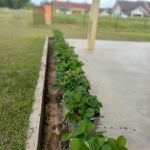 Aqis mini farm (lowland strawberry)
Lot 8181
 GMKL Meet Up Point
Berhadapan Pusat Wifi Komuniti Paloh 1
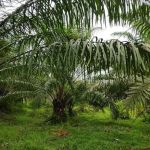 Blok C GMKL Agro Park
Blok C GMKL Agro Park
 Amadi Kelah Sanctuary
R6X9+65
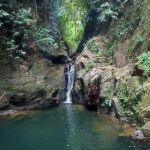 Kolam 7 Tahun Gunung Rabong
Chiku
 Blok A GMKL Agro Park
Blok A GMKL Agro Park
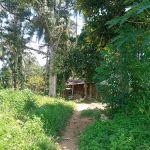 Awang's place
Kampung Kuala Renok
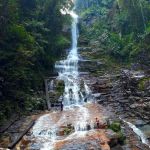 Air Terjun Sungai Bertam
Galas
 Ladang Durian Batu 2
18300 Gua Musang
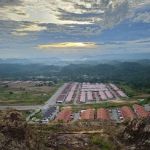 Bukit Durian
18300 Gua Musang
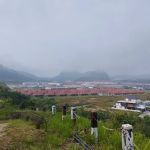 Bukit Bandar Utama
18300 Gua Musang
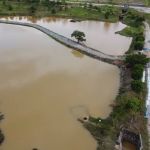 Taman Tasik Perumahan Bandar Utama Gua Musang
18300 Gua Musang
ladang ane po Reviews
More Theme Parks
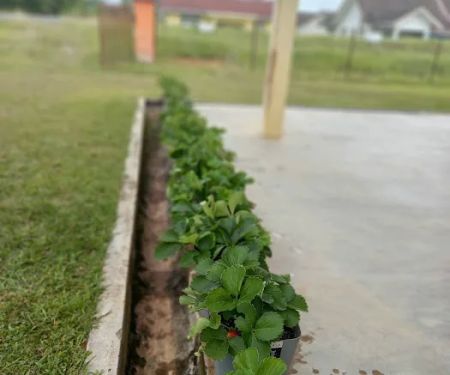 Aqis mini farm (lowland strawberry)5.0 (1 reviews)
Lot 8181, perumahan chiku 6, 18300 Gua Musang, Kelantan, Malaysia
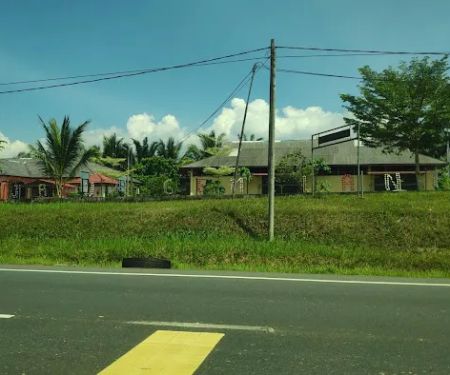 GMKL Meet Up Point0.0 (0 reviews)
Berhadapan Pusat Wifi Komuniti Paloh 1, 18300, Kelantan, Malaysia
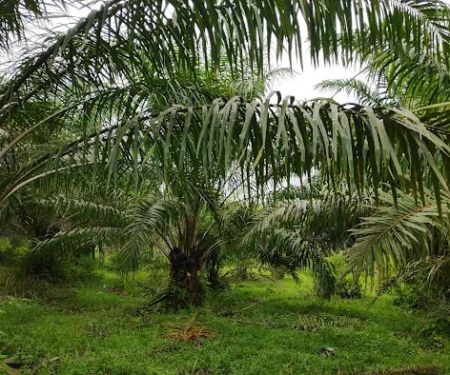 Blok C GMKL Agro Park4.0 (2 reviews)
Blok C GMKL Agro Park, Paloh 1, 18300 Gua Musang, Kelantan, Malaysia
 Amadi Kelah Sanctuary0.0 (0 reviews)
R6X9+65, 18300 Kampong Batu, Kelantan, Malaysia
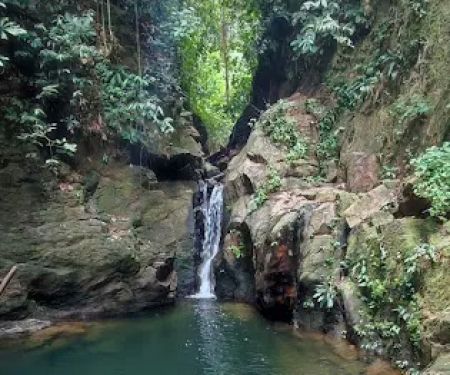 Kolam 7 Tahun Gunung Rabong0.0 (0 reviews)
Chiku, 18300, Kelantan, Malaysia
 Blok A GMKL Agro Park3.0 (1 reviews)
Blok A GMKL Agro Park, 18300, 18300, Kelantan, Malaysia
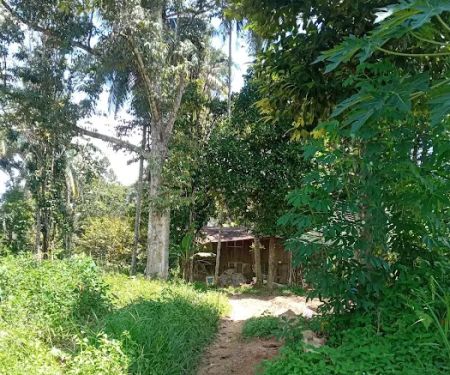 Awang's place0.0 (0 reviews)
Kampung Kuala Renok, 18300 Gua Musang, Kelantan, Malaysia
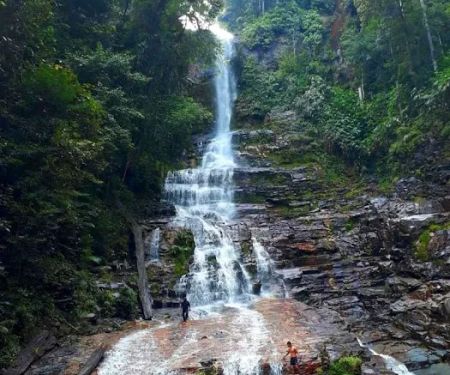 Air Terjun Sungai Bertam0.0 (0 reviews)
Galas, 18300, Kelantan, Malaysia
 Ladang Durian Batu 25.0 (1 reviews)
18300 Gua Musang, Kelantan, Malaysia
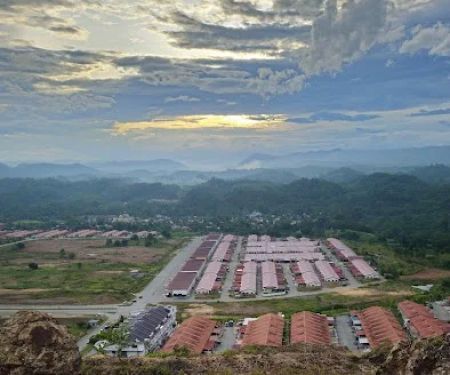 Bukit Durian4.0 (2 reviews)
18300 Gua Musang, Kelantan, Malaysia
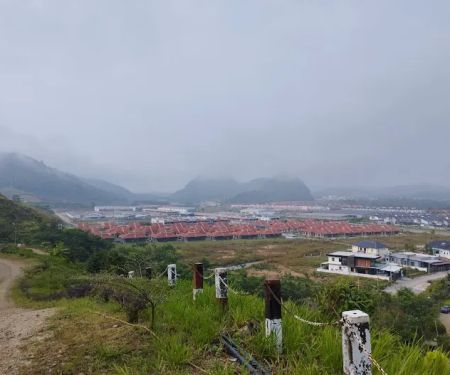 Bukit Bandar Utama4.0 (30 reviews)
18300 Gua Musang, Kelantan, Malaysia
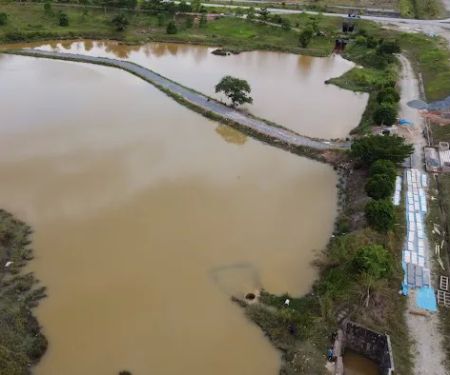 Taman Tasik Perumahan Bandar Utama Gua Musang4.0 (1 reviews)
18300 Gua Musang, Kelantan, Malaysia
Categories
Popular
 AEON Mall Cheras Selatan4.0 (13585 reviews)
 D' Sun Zone, Perdana Botanical Garden, Kuala Lumpur4.0 (71 reviews)
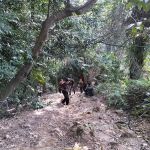 Bukit Cherakah 2nd Viewpoint4.0 (13 reviews)
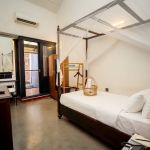 Tian Jing Hotel4.0 (234 reviews)
 Hotel Rim Global Pj213.0 (91 reviews)
 Float.my | Helium Balloon Gas5.0 (1 reviews)
Must-Read Blog Posts
Most Searched
Trending Blog Posts
 Exploring the Unique Designs of Mosques in Malaysia: A Journey Through Islamic Architecture
 Exploring the Architectural Beauty of Mosques in Malaysia: A Journey Through Islamic Architecture
 How to Get to the Famous Mosques in Kuala Lumpur by Public Transport: A Complete Travel Guide
 Visiting Malaysia’s Most Famous Mosques During Eid: A Unique Cultural Experience
 Top Mosques to Visit During Ramadan in Malaysia: A Traveler's Guide
 Discover the History of Masjid Titiwangsa in Kuala Lumpur: A Cultural and Architectural Gem