
Introduction to Accessibility and Comfort for Elderly Travelers in Malaysia's Mosques
For elderly or less mobile travellers, visiting places of worship, such as mosques in Malaysia, may present unique challenges. While Malaysia is known for its cultural diversity and rich Islamic heritage, it's crucial for elderly visitors to have a comfortable and accessible experience. This article provides practical tips to ensure that elderly and less mobile travellers can visit mosques with ease, focusing on accessibility features, services, and comfort during the visit.
- Understanding the Needs of Elderly Travelers
- Accessibility Features in Malaysian Mosques
- How to Plan a Comfortable Visit to Mosques
- Real-Life Experiences and Stories
1. Understanding the Needs of Elderly Travelers
When it comes to elderly or less mobile travellers, comfort and accessibility are key. Many elderly individuals may face mobility issues, requiring the use of walking aids such as walkers or wheelchairs. Additionally, conditions like arthritis, fatigue, or respiratory problems can make navigating crowded or uneven spaces difficult. As such, it's important to consider these factors when planning trips to mosques in Malaysia.
Some key considerations for elderly travellers include:
- Access to ramps or lifts for those with mobility impairments.
- Availability of seating options for rest during long visits.
- Well-maintained pathways to prevent accidents.
- Proper signage in multiple languages for easy navigation.
2. Accessibility Features in Malaysian Mosques
Many mosques in Malaysia have made significant efforts to accommodate elderly and less mobile visitors. These efforts include installing ramps, providing handrails, and ensuring that pathways are wide enough to accommodate wheelchairs and walkers. However, the extent of these features can vary depending on the location and the size of the mosque.
2.1 Wheelchair Accessibility
Wheelchair accessibility is a crucial factor for less mobile travellers. Larger mosques in cities like Kuala Lumpur or Penang tend to have accessible entrances, ramps, and even dedicated areas where visitors can park their wheelchairs. Smaller mosques might not always have these features, so it's essential to check in advance or choose locations known for their elderly-friendly facilities.
2.2 Seating Arrangements
Comfortable seating arrangements are essential for elderly visitors who might need frequent rest breaks. Many mosques have designated seating areas with comfortable chairs or benches, providing visitors with the opportunity to relax during longer prayer sessions. It's advisable to choose mosques that offer ample seating throughout the prayer halls.
2.3 Clear Signage
For elderly travellers, clear signage in multiple languages (including English) is vital. This ensures they can easily locate prayer halls, bathrooms, and other essential areas like elevators or restrooms without confusion. Many modern mosques have made an effort to ensure that their signage is clear, bright, and multilingual, making the experience easier for non-local visitors.
3. How to Plan a Comfortable Visit to Mosques
Planning a comfortable visit to a mosque for elderly or less mobile travellers requires a bit of preparation. Here are some key tips to ensure a smooth visit:
3.1 Research the Mosque’s Accessibility Features
Before visiting a mosque, it is helpful to research whether the mosque offers the necessary accessibility features for elderly or less mobile visitors. Many mosques have websites or social media pages that provide information about accessibility, including whether they have ramps, elevators, or other support services. Alternatively, you can contact the mosque directly to inquire.
3.2 Timing the Visit
Avoid visiting during peak hours, especially on Fridays, when mosques tend to be busiest. Visiting early in the morning or during off-peak times can make for a quieter and more comfortable experience. This allows elderly visitors to enjoy the mosque's serene atmosphere without navigating crowded spaces.
3.3 Consider Special Services
Some mosques may offer special services for elderly visitors, including guided tours or designated prayer areas. In larger cities, it’s also common to find mosques that offer services like transportation for elderly visitors or assistance upon arrival. Don't hesitate to ask about these services ahead of time.
4. Real-Life Experiences and Stories
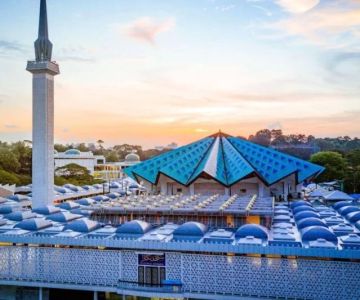
Let’s consider a real-life example. An elderly woman from the United States, Sarah, visited the National Mosque of Malaysia in Kuala Lumpur last year. Sarah, who uses a walker, was initially concerned about navigating the mosque's large premises. However, she was pleasantly surprised by the dedicated wheelchair access, well-marked paths, and availability of seating. Sarah shared that the mosque's staff were very accommodating, offering her assistance whenever needed, making her visit both comfortable and enjoyable.
This example highlights how accessible and well-planned facilities can greatly enhance the experience for elderly visitors. It’s important to share such stories, as they can provide confidence and encourage others to explore Malaysia's mosques with peace of mind.
For more information and recommendations on products or services tailored to elderly or less mobile travellers, visit UAK Travel, where you can find the best travel tips, services, and recommendations to ensure your journey is both accessible and comfortable.
 My mechanic store garage5.0 (1 reviews)
 Homestay Tok Wan5.0 (2 reviews)
 Laman Perdana4.0 (220 reviews)
 O My Dog Pet House3.0 (8 reviews)
 Potong Rumput Klang Meru. setia alam3.0 (6 reviews)
 Al-Wahid Therapy (Arked Mara Bidor)5.0 (7 reviews)
 Exploring the Unique Designs of Mosques in Malaysia: A Journey Through Islamic Architecture
 Exploring the Architectural Beauty of Mosques in Malaysia: A Journey Through Islamic Architecture
 How to Get to the Famous Mosques in Kuala Lumpur by Public Transport: A Complete Travel Guide
 Visiting Malaysia’s Most Famous Mosques During Eid: A Unique Cultural Experience
 Top Mosques to Visit During Ramadan in Malaysia: A Traveler's Guide
 Discover the History of Masjid Titiwangsa in Kuala Lumpur: A Cultural and Architectural Gem