
- 1-Why-Mosque-Architecture-Is-Appealing-to-Travelers
- 2-The-History-of-Mosque-Design-in-Malaysia
- 3-Cultural-Significance-of-Mosques-in-Malaysia
- 4-The-Beauty-of-Mosque-Architecture
- 5-Where-to-Explore-the-Best-Mosque-Architecture-in-Malaysia
1. Why Mosque Architecture Is Appealing to Travelers
As a frequent traveler with a deep appreciation for architecture, I’ve always been fascinated by the distinct beauty of mosque buildings. When I visited Malaysia, I quickly discovered that mosque architecture here holds a unique appeal that draws people from all walks of life, regardless of faith. There is something about the artistry, history, and cultural significance that transcends religious boundaries, making these spaces not only places of worship but also architectural masterpieces that attract travelers.
The aesthetic appeal of mosque buildings lies in their intricate designs, ranging from grand domes to delicate minarets, all of which create a mesmerizing atmosphere. What strikes me the most, though, is how mosque architecture tells a story — a story of heritage, craftsmanship, and a rich cultural past. As I explored the mosques in Malaysia, I realized they are more than just religious buildings; they are symbols of a nation’s dedication to blending history, culture, and art.
1.1 Connecting Across Cultures and Faiths
While mosques are primarily places of worship for Muslims, they resonate with travelers of all faiths due to their universal beauty. I’ve met many travelers who, regardless of their religion, visit mosques with an open heart, appreciating the artistic craftsmanship and serene environment. There’s an undeniable peace found within the walls of a well-designed mosque, and that tranquility makes them stand out as cultural and architectural treasures.
1.2 A Journey Into the Heart of History
For me, the appeal of mosque architecture goes beyond its visual impact. Many mosques in Malaysia are steeped in centuries-old history, and stepping inside them is like walking through a living museum of Islamic art and culture. The ornate details, the calligraphy on the walls, and the design choices reflect centuries of evolution, blending influences from various cultures — from Persian to Ottoman styles — that have contributed to the mosque designs over time.
2. The History of Mosque Design in Malaysia
Understanding mosque architecture in Malaysia requires a look at the country’s historical context. Malaysia is home to a rich mix of cultures, including Malay, Chinese, and Indian influences, all of which have left their mark on mosque design. The first mosques built in the country, dating back to the 15th century, were relatively simple structures, but over the years, as Islam became deeply rooted in the region, mosque architecture began to evolve into more elaborate designs.
2.1 Early Islamic Architecture in Malaysia
The first mosques in Malaysia were heavily influenced by early Islamic architectural principles. These structures were often made of wood and featured simple, yet functional designs, with roofs that resembled traditional Malay village houses. As Islam spread through the region, mosques began to feature more elaborate designs, incorporating elements such as minarets and domes, which became symbols of Islamic architectural heritage.
2.2 Modern Influences and Fusion of Styles
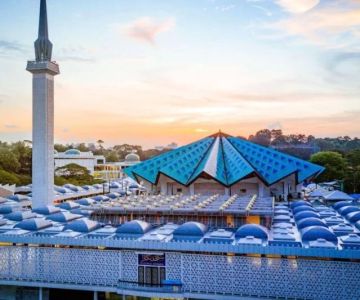
Fast forward to the 20th and 21st centuries, and Malaysia's mosques now reflect a fusion of traditional and modern styles. For example, the iconic National Mosque of Malaysia (Masjid Negara) in Kuala Lumpur combines traditional Islamic architecture with modernist elements, such as a sleek, 16-pointed star-shaped roof, blending contemporary aesthetics with historical influences.
This blend of old and new allows for a diverse range of mosque designs, each telling a unique story of Malaysia’s evolving cultural identity and its relationship with Islam.
3. Cultural Significance of Mosques in Malaysia
For Malaysians, mosques are not just places of religious significance. They are also cultural landmarks, deeply woven into the fabric of the nation's identity. As I toured various mosques in Malaysia, I learned how they serve as gathering points for community events, social initiatives, and cultural exchanges. They are hubs of education, where the youth are taught not just religious studies but also history, art, and literature.
3.1 Mosques as Centers of Community Life
In Malaysia, mosques play a central role in community life. Beyond the call to prayer, mosques often host cultural and social events that bring people together. I remember visiting a mosque in Penang where, in addition to offering prayers, the mosque also held community outreach programs to help local children and the elderly. This sense of community was palpable and helped me understand why mosques are such cherished spaces for the people of Malaysia.
3.2 A Reflection of Malaysian Values
The architecture of mosques in Malaysia reflects the country’s values of inclusivity, unity, and harmony. Many mosques are designed with large courtyards and open spaces that encourage interaction and connection among diverse communities. These spaces aren’t just for Muslims; they welcome visitors of all faiths, offering a space for cultural understanding and dialogue.
4. The Beauty of Mosque Architecture
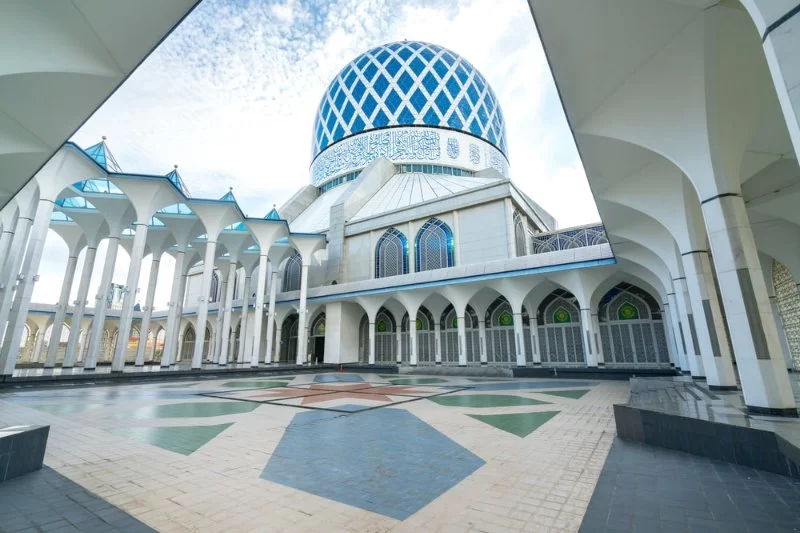
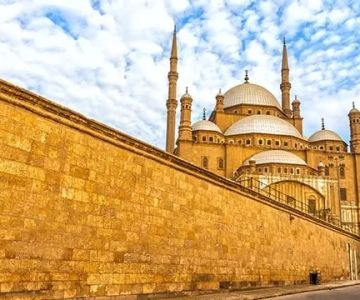
One of the most captivating aspects of mosque architecture is its sheer beauty. From towering minarets that stretch towards the sky to intricately carved doorways and tiled floors, mosque buildings in Malaysia often feel like a celebration of art. The use of color, geometric patterns, and calligraphy is simply breathtaking. For example, the Sultan Ahmad Shah Mosque in Pahang boasts a stunning blue dome and ornate arches, making it one of the most beautiful mosques I have seen in Malaysia.
4.1 Intricate Designs and Symbolism
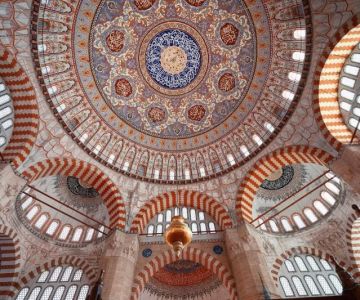
The beauty of mosque design lies in its attention to detail. Each feature, whether it’s the delicate floral patterns on the walls or the grand dome that dominates the skyline, serves a purpose. The intricate tile work, stained glass, and calligraphy not only serve as decoration but also carry deep spiritual meanings. Each symbol, each curve, tells a story — whether it’s about the beauty of Allah’s creation or the cultural history of the region.
4.2 Harmonizing Nature and Architecture
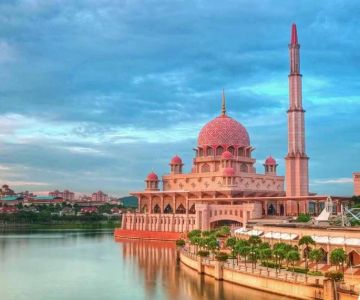
Many mosques are designed to harmonize with their natural surroundings, creating a peaceful and reflective atmosphere. For instance, the Putra Mosque in Putrajaya is situated next to a serene lake, and its pink dome reflects beautifully in the water, adding an element of tranquility to the overall design. The way that mosque architecture complements the landscape is a key factor in the appeal of these spaces for travelers.
5. Where to Explore the Best Mosque Architecture in Malaysia
Malaysia is home to some of the most stunning mosque buildings in the world, and there are several places where travelers can experience the rich history and beauty of Islamic architecture firsthand. From Kuala Lumpur to the islands of Langkawi, here are some of the best places to explore mosque architecture in Malaysia.
5.1 Masjid Negara (National Mosque) - Kuala Lumpur
The National Mosque of Malaysia is one of the most iconic and beautiful mosques in the country. Located in Kuala Lumpur, this mosque features a striking 16-pointed star-shaped roof and is surrounded by lush gardens. The mosque’s design seamlessly combines traditional Islamic elements with modern architecture, making it a must-see for anyone interested in Malaysian architecture.
5.2 Putra Mosque - Putrajaya
Located in the administrative capital of Malaysia, Putra Mosque is known for its striking pink dome and grand minaret. It sits next to a beautiful lake, creating a stunning visual harmony between nature and architecture. The mosque’s modern yet classical design makes it an exceptional example of Malaysia’s approach to blending history with contemporary aesthetics.
5.3 Sultan Ahmad Shah Mosque - Pahang
This mosque, located in Pahang, is renowned for its grand design, which includes a large blue dome and beautifully tiled floors. The mosque’s intricate details and elegant proportions make it one of the best examples of mosque architecture in Malaysia.
As I traveled through Malaysia, visiting these awe-inspiring mosques helped me understand how architecture, history, and culture intertwine to create spaces that are not only places of worship but also symbols of unity, beauty, and cultural richness. For travelers, exploring the mosque architecture in Malaysia is not only a journey into the country’s spiritual heritage but also an opportunity to appreciate the artistic mastery behind these magnificent structures.
For those interested in exploring more about Malaysia's architectural gems, be sure to check out UAK Travel for recommendations on travel destinations, hotel accommodations, and cultural experiences.

 Surau Al-amin4.0 (17 reviews)
 Homestay H & H0.0 (0 reviews)
 Bangkok Thai Jalan Klang Lama3.0 (17 reviews)
 Movie lounge2.0 (7 reviews)
 Inap Desa Rahmat Kitchen3.0 (11 reviews)
 Bonda Homestay Serendah4.0 (5 reviews)
 Exploring the Unique Designs of Mosques in Malaysia: A Journey Through Islamic Architecture
 Exploring the Architectural Beauty of Mosques in Malaysia: A Journey Through Islamic Architecture
 How to Get to the Famous Mosques in Kuala Lumpur by Public Transport: A Complete Travel Guide
 Visiting Malaysia’s Most Famous Mosques During Eid: A Unique Cultural Experience
 Top Mosques to Visit During Ramadan in Malaysia: A Traveler's Guide
 Discover the History of Masjid Titiwangsa in Kuala Lumpur: A Cultural and Architectural Gem