
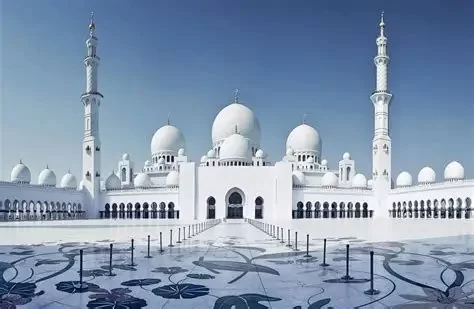
Why Some Travellers Prefer Mosque-Centric Trips — Peace, Culture, History & Spirituality
- Why Choose Mosque-Centric Travel?
- Mosques as Cultural and Historical Sites
- Spiritual Journeys Through Mosques
1. Why Choose Mosque-Centric Travel?
In recent years, mosque-centric travel has become an increasingly popular option for those seeking a deeper connection to history, culture, and spirituality. Travellers often prefer these journeys because they offer an opportunity to immerse themselves in the peaceful atmosphere of mosques, learn about the rich history of Islamic architecture, and experience the vibrant cultures surrounding these sacred places.
1.1 A Unique and Peaceful Experience
Unlike typical tourist destinations, mosques offer a serene environment where visitors can reflect, meditate, and experience peace. The quietness and beauty of mosque interiors, adorned with intricate tiles and carvings, provide a calming atmosphere that many travellers find deeply satisfying. Whether it’s the tranquility of the Sultan Ahmed Mosque in Istanbul or the awe-inspiring architecture of the Hassan II Mosque in Morocco, the peace that comes with visiting these landmarks draws visitors from all over the world.
1.2 Cultural Immersion
Visiting mosques also offers the chance to experience the local culture in a profound way. Many travellers choose mosque-centric trips to connect with local customs and traditions. From Istanbul's grand mosques to Cairo's historical mosques, each structure tells its own story. The practice of prayer, the sounds of the adhan (call to prayer), and the communal nature of worship all provide insights into the values and lifestyle of the local people.
2. Mosques as Cultural and Historical Sites
Beyond their spiritual significance, mosques are often rich cultural and historical landmarks that tell the story of a region’s architectural evolution and cultural influences. For history and architecture enthusiasts, mosque visits can be an exploration of diverse design styles, art, and the cultural exchange between East and West.
2.1 The Architecture of Mosques
Many mosques are masterpieces of Islamic architecture, with their intricate geometric designs, calligraphy, and ornate domes. Mosques like the Al-Aqsa Mosque in Jerusalem or the Blue Mosque in Istanbul showcase stunning artistry and design that reflects the diversity of Islamic architecture across regions and centuries. Travellers interested in art and design will appreciate the details in each structure, from the symmetry of the courtyard to the beautiful tile work adorning the walls.
2.2 A Window into History
Some of the world’s most famous mosques are also vital historical sites. Visiting these mosques allows travellers to step back in time and learn about the history of the Islamic world, the rulers who built these structures, and the significant events that took place within their walls. For instance, the Great Mosque of Cordoba in Spain not only showcases impressive Islamic architecture but also symbolizes the coexistence of different cultures in medieval Spain.
3. Spiritual Journeys Through Mosques
For many, mosque-centric travel is about more than just sightseeing; it’s about embarking on a spiritual journey. These trips often include time for reflection, prayer, and deepening one's understanding of Islam and its teachings.
3.1 A Connection to Spirituality
Mosques, being places of worship, naturally invite a sense of spirituality. For Muslim travellers, visiting mosques around the world provides an opportunity to connect with their faith in a meaningful way. The act of praying in a mosque, especially in iconic locations like the Masjid al-Haram in Mecca or the Al-Masjid an-Nabawi in Medina, can be a transformative experience. It allows for reflection, peace, and a sense of belonging to a global community of worshippers.
3.2 A Path to Personal Growth
Even for non-Muslim travellers, visiting mosques can provide opportunities for personal growth and introspection. The silence and reverence of these places encourage visitors to pause and reflect on their own beliefs, values, and spirituality. Many travellers report feeling a deep sense of connection to the culture and the people of the place they visit, leaving with a new perspective on the world.
3.3 Transformative Travel
For those seeking transformative travel experiences, mosque-centric trips can be life-changing. The combination of culture, history, and spirituality provides a rich, multifaceted experience that goes beyond the typical tourist itinerary. Whether you're exploring the magnificent Sheikh Zayed Grand Mosque in Abu Dhabi or the historic Blue Mosque in Istanbul, these journeys offer something for everyone – a deeper connection to the world, to history, and to your own spirituality.
In conclusion, mosque-centric trips are more than just vacations. They are journeys that provide insight into the beauty of Islamic architecture, the depth of local cultures, and the profound spirituality of the mosque. For many travellers, these trips are a source of peace, personal growth, and cultural understanding. If you're considering such a trip, be sure to explore a variety of mosques that offer a blend of peace, culture, history, and spirituality.
 My Happy Bakery0.0 (0 reviews)
 Tengku Kelana Jaya Petra Mosque4.0 (587 reviews)
 Baker's Cottage Old Factory4.0 (13 reviews)
 Homestay Santai Bertam Kepala Batas Semi D Fully Aircond5.0 (14 reviews)
 Rumah Tamu Biflora0.0 (0 reviews)
 Ezzy Homestay Senawang5.0 (2 reviews)
 Exploring the Unique Designs of Mosques in Malaysia: A Journey Through Islamic Architecture
 Exploring the Architectural Beauty of Mosques in Malaysia: A Journey Through Islamic Architecture
 How to Get to the Famous Mosques in Kuala Lumpur by Public Transport: A Complete Travel Guide
 Visiting Malaysia’s Most Famous Mosques During Eid: A Unique Cultural Experience
 Top Mosques to Visit During Ramadan in Malaysia: A Traveler's Guide
 Discover the History of Masjid Titiwangsa in Kuala Lumpur: A Cultural and Architectural Gem