
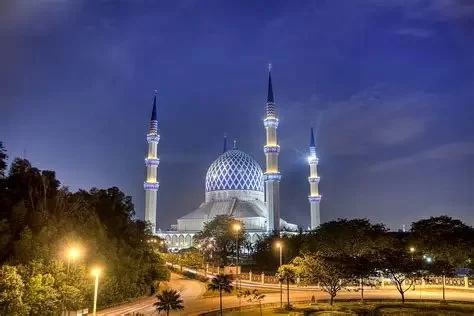
How Mosque Visit Experiences Differ Between Urban Kuala Lumpur and Rural Malaysian Countryside
Visiting mosques in Malaysia offers a deeply cultural and spiritual experience, but the ambiance and dynamics of these visits can be strikingly different depending on the location. As a frequent traveler, I’ve had the privilege of visiting both the grand mosques in the heart of Kuala Lumpur and the serene mosques nestled in the tranquil Malaysian countryside. In this article, I’ll share my observations and experiences, highlighting how mosque visits differ between the urban city of Kuala Lumpur and the rural Malaysian countryside.
The Urban Mosque Experience in Kuala Lumpur
Kuala Lumpur, Malaysia’s bustling capital, is a melting pot of cultures, religions, and modernity. The mosques in this city, such as the iconic National Mosque (Masjid Negara) and the Masjid Jamek, offer a vibrant and lively atmosphere. Here’s what I experienced when visiting mosques in the urban setting:
1. Modern and Majestic Architecture
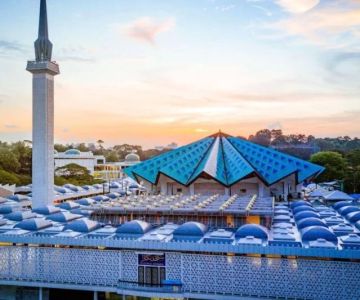
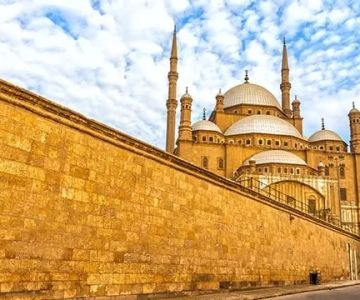
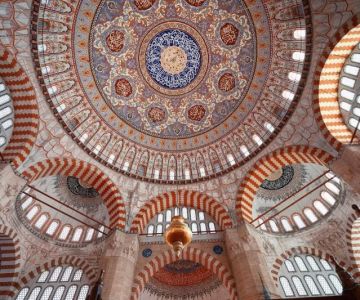
The mosques in Kuala Lumpur are a testament to the fusion of modernity with traditional Islamic architecture. The National Mosque, for example, features sleek, contemporary lines, with its vast prayer hall and stunning geometric patterns. The blend of marble, glass, and traditional Islamic calligraphy creates an awe-inspiring ambiance. The large domes and minarets often stand in stark contrast to the surrounding urban buildings, making them landmarks within the city.
2. Diverse and Busy Atmosphere
Urban mosques in Kuala Lumpur tend to be much busier, with a more diverse mix of people, both locals and international visitors. During my visit to Masjid Negara, I noticed a multicultural crowd, including tourists, business professionals, and local families, all coming together to pray. The busy surroundings, including the nearby markets, restaurants, and busy streets, contribute to the energy of the mosque. There’s a distinct feeling of being in the center of a modern, cosmopolitan society while still embracing the deep spiritual practices of Islam.
3. Guided Tours and Educational Programs
Another significant difference I noticed in Kuala Lumpur was the availability of guided tours and educational programs. Many mosques in the city offer tourists the opportunity to learn about Islam, the mosque’s history, and its architecture. For instance, I joined a guided tour at Masjid Negara, where an informative guide explained the history behind the mosque’s design and its religious significance. This is a common practice in Kuala Lumpur, as mosques here are often visited by tourists from all around the world.
The Peaceful Mosque Experience in the Rural Malaysian Countryside
In contrast to the bustling city of Kuala Lumpur, the rural Malaysian countryside offers a more peaceful, introspective mosque experience. Here, mosques are not just places of worship but also centers of community life, often located in small towns or villages surrounded by nature. My experiences visiting mosques in rural Malaysia have been quite different in several ways:
1. Tranquil and Simple Architecture
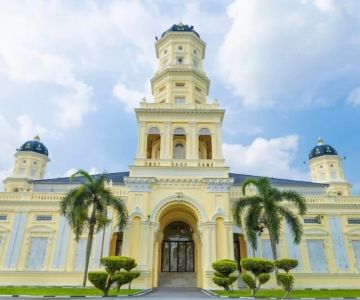
Unlike the grand, modern mosques of Kuala Lumpur, rural mosques tend to have a simpler, more traditional design. These mosques, often made from wood or brick, blend seamlessly into their natural surroundings. For example, I visited a mosque in a rural town in Terengganu that had a beautiful wooden structure with intricately carved windows and a modest minaret. The simplicity and rustic charm of these buildings evoke a sense of humility and closeness to nature, providing a very different kind of beauty compared to the urban mosques.
2. Quiet and Contemplative Atmosphere
The atmosphere in rural mosques is much more serene and calm. When I visited a mosque in the countryside of Kedah, the absence of urban noise made the entire experience feel more peaceful. There were fewer visitors, and I had the chance to sit quietly and reflect in the peaceful surroundings. The mosques here are more intimate and community-centered, with local villagers often stopping by for prayers and social gatherings. It’s a space where the spiritual experience feels more personal and connected to the surrounding community.
3. Strong Community Ties
Rural mosques often have a strong sense of community, with locals coming together not just for prayers but for various social activities. During my visit to a mosque in a rural village in Pahang, I saw how the mosque served as a hub for local events, from community meetings to Islamic classes. The people here are more familiar with each other, and it felt like a close-knit group united by faith and shared experiences. The mosque is not just a place for worship but a center for the village’s cultural and social activities.
Cultural Differences in Mosque Visits
Beyond architecture and ambiance, there are other cultural differences that shape the mosque experience in urban and rural settings:
- Urban Cosmopolitan vs. Rural Traditionalism: In Kuala Lumpur, I noticed a more cosmopolitan approach to Islam, with a mix of traditional practices and modern interpretations. In the countryside, the experience felt more rooted in tradition, with simpler, more direct practices.
- Tourist vs. Local Focus: While mosques in Kuala Lumpur are often equipped for tourists, providing information and educational experiences, the rural mosques are more focused on local worshippers and community involvement.
- Environmental Impact: The urban mosques in Kuala Lumpur are surrounded by modern infrastructure, while rural mosques are immersed in nature, offering a peaceful contrast with the sounds of wildlife and rural life.
Personal Reflections: Which Experience is More Meaningful?
Both mosque visits in Kuala Lumpur and the rural Malaysian countryside have offered me unique and meaningful experiences. In the city, I felt a sense of awe and admiration for the grand architecture and bustling atmosphere. The educational aspect of these mosques, with their diverse crowd and rich history, made my visits incredibly informative and enriching. On the other hand, the peace and serenity of rural mosques provided me with a deep sense of spiritual calm. The simpler, more intimate setting in the countryside allowed me to focus more on my personal reflection and connection to the community.
If you are looking for a truly immersive and personal experience in a mosque, I would recommend visiting the rural areas of Malaysia. However, if you’re a traveler who enjoys learning about diverse cultures and seeing the fusion of modernity and tradition, then the mosques in Kuala Lumpur are perfect for you. Either way, both experiences are equally enriching and offer valuable insights into Malaysia’s rich Islamic heritage.
 Kiara.Laluan B0.0 (0 reviews)
 Kak Mah Mee Celup4.0 (3 reviews)
 HOMESTAY JURA3.0 (3 reviews)
 Homestay Baitul Ummi Kuang Sungai Buloh4.0 (7 reviews)
 Beauty Sense4.0 (13 reviews)
 RIZQIN HOMESTAY TAMAN RUPAWAN4.0 (7 reviews)
 Exploring the Unique Designs of Mosques in Malaysia: A Journey Through Islamic Architecture
 Exploring the Architectural Beauty of Mosques in Malaysia: A Journey Through Islamic Architecture
 How to Get to the Famous Mosques in Kuala Lumpur by Public Transport: A Complete Travel Guide
 Visiting Malaysia’s Most Famous Mosques During Eid: A Unique Cultural Experience
 Top Mosques to Visit During Ramadan in Malaysia: A Traveler's Guide
 Discover the History of Masjid Titiwangsa in Kuala Lumpur: A Cultural and Architectural Gem