Best Mosque Visits in Kuala Lumpur: Discover the Top Sacred Sites in the City
- 1. National Mosque (Masjid Negara)
- 2. Masjid Jamek
- 3. Putra Mosque
- 4. Sultan Abdul Samad Building
- 5. Masjid Wilayah Persekutuan
- 6. Masjid Al-Bukhari

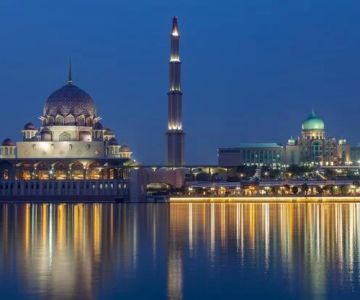
Explore the beauty of Malaysian mosques at night. Learn about the architecture, cultural significance, and how to respect these sacred spaces. Plan your trip with UAK Travel.
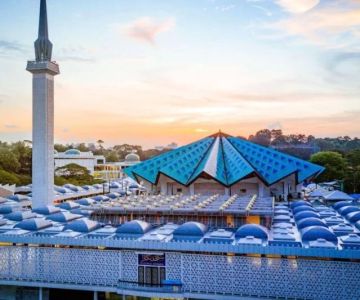
Discover how some mosques in Malaysia tell the stories of migration, trade, and cultural fusion. Learn about their role in the region’s rich history of cultural exchange.Exploring the Cultural and Historical Significance of Mosques in MalaysiaIn the diverse and vibrant country of Malaysia, mosques are not only places of worship but also rich historical landmarks that tell the stories of migration, trade, and cultural fusion. These architectural marvels serve as silent witnesses to the flow of people, goods, and ideas that have shaped the nation's history. In particular, several mosques in Malaysia offer a glimpse into how these factors contributed to the cultural melting pot that is present today.From the bustling streets of Kuala Lumpur to the serene islands off the coast of Penang, mosques in Malaysia embody the deep cultural exchange that occurred as a result of trade routes and migration patterns over centuries. In this article, we will explore how these mosques have become symbols of cultural fusion and reflect the diverse historical influences of the region.1. The Role of Mosques in Malaysia’s History of Migration and TradeThe story of Malaysia’s mosques is intricately linked to the region's history of migration and trade. As a strategic location along ancient maritime trade routes, Malaysia became a crossroads for traders from across the world, including India, China, Arabia, and Southeast Asia. This influx of diverse cultures and religions profoundly influenced the architectural and cultural development of Malaysia’s mosques.1.1 Early Muslim Influence and the Arrival of IslamIslam began to make its way to Malaysia through trade routes, particularly with merchants from the Arabian Peninsula and India. As these traders settled in Malaysia, they built mosques to serve as religious and community centers. The earliest mosques in Malaysia, such as the Kampung Kling Mosque in Melaka, reflect the Islamic architecture brought by Indian and Arabian traders, blending local building materials with foreign design elements.1.2 Trade and Cultural FusionThroughout Malaysia’s history, the arrival of traders, explorers, and migrants has led to the fusion of local traditions with external influences. For example, the famous Masjid Jamek in Kuala Lumpur, located at the confluence of the Gombak and Klang rivers, showcases a blend of Moorish, Indo-Saracenic, and Malay architectural styles. This fusion reflects the merging of local Malay culture with Islamic traditions introduced through trade.2. Prominent Mosques and Their Historical SignificanceThere are several iconic mosques across Malaysia that stand as testaments to the historical flow of people and ideas. These mosques not only serve as places of worship but also as cultural landmarks that reflect the region’s rich and diverse past.2.1 Masjid Jamek Kuala LumpurLocated in the heart of Kuala Lumpur, the Masjid Jamek is one of the oldest and most architecturally significant mosques in Malaysia. Built in 1909, its design combines Islamic, Moorish, and Malay architectural styles. The mosque’s construction was influenced by the British colonial period and represents the cultural fusion that characterized the early 20th century in Malaysia. As a symbol of unity, it stands at the meeting point of the Klang and Gombak rivers, which historically served as crucial trade routes.2.2 Kampung Kling Mosque, MalaccaThe Kampung Kling Mosque in Malacca is another prime example of how the convergence of different cultures has shaped Malaysia’s religious architecture. Dating back to the 18th century, this mosque exhibits a distinct blend of Malay, Chinese, and Islamic design elements. The Chinese-style pagoda minaret, along with the wooden structure, is a reminder of the Chinese-Malay cultural exchange that took place during the time of European colonial influence.3. How Mosques Preserve Local History and HeritageMosques are not just places of worship; they also serve as repositories of local history and heritage. Through their architecture, inscriptions, and community involvement, mosques tell the stories of the people who built them, worshipped in them, and used them as centers of learning and community activity.3.1 The Role of Mosques in Preserving Local Languages and TraditionsMany mosques in Malaysia have preserved local languages and cultural practices. For example, religious texts in Malay and Arabic are often used in the mosques, alongside traditional chants and prayers that have been passed down through generations. In some regions, community gatherings held at mosques also reflect the local customs and practices that have been influenced by both indigenous cultures and Islamic traditions.3.2 Educational and Cultural CentersBeyond their religious functions, many mosques in Malaysia also serve as educational and cultural centers. They host Quranic schools, community events, and cultural exhibitions that teach the younger generation about the history and cultural significance of their faith. This educational role has helped preserve the unique fusion of local and Islamic culture throughout the years.4. The Impact of Mosques on Tourism and Cultural AwarenessThe historical and architectural significance of mosques has contributed to their growing popularity as tourist destinations. Visitors from around the world come to admire the stunning designs and to learn about the cultural history they represent. These mosques provide an opportunity for tourists to gain deeper insights into Malaysia’s cultural fusion and the pivotal role that migration and trade have played in shaping the country’s identity.4.1 Cultural Heritage and Tourism in MalaysiaAs a country rich in history and culture, Malaysia’s mosques attract both local and international tourists who are eager to explore the legacy of the nation’s diverse cultural influences. The architectural beauty, coupled with the historical narratives of migration and trade, offers visitors an enriching experience. Tourists can explore the sites while learning about the multicultural influences that have shaped the country’s spiritual, social, and cultural landscape.4.2 Preservation Efforts for Future GenerationsEfforts to preserve the mosques and their historical significance are essential to ensure that future generations can continue to learn from these cultural treasures. Local authorities, religious organizations, and conservationists are working to maintain the integrity of these mosques and safeguard their architectural and cultural legacies.5. ConclusionMosques in Malaysia do more than just serve as places of worship; they are living testaments to the country’s rich history of migration, trade, and cultural fusion. By understanding the historical significance of these mosques, we gain a deeper appreciation for the diverse cultural influences that have shaped Malaysia into the nation it is today.If you’re planning a visit to Malaysia, don’t miss the opportunity to explore these architectural and cultural gems. To learn more about traveling to Malaysia and experiencing its rich history, check out UAK Travel for the best tours and travel experiences.
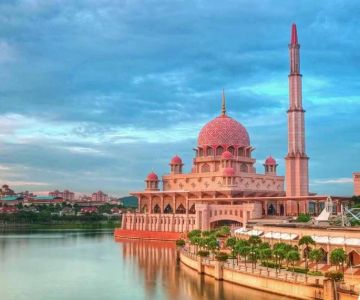
Plan a serene and respectful mosque-focused trip in Malaysia. Discover the best mosques to visit, tips for a quiet travel experience, and how to ensure cultural respect.Planning a Calm, Respectful, and Insightful Mosque-Focused Trip in Malaysia 1. Why Choose a Mosque-Focused Trip in Malaysia? 2. Key Mosques to Visit in Malaysia 3. Tips for Traveling Respectfully in Mosques 4. How to Plan a Quiet and Insightful Travel Experience 5. Personal Reflections on Mosque Visits in Malaysia1. Why Choose a Mosque-Focused Trip in Malaysia?When thinking about a quiet, spiritual, and culturally enriching trip, a mosque-focused journey through Malaysia offers a unique opportunity to experience the deep-rooted history, architecture, and spirituality of Islam. This type of travel allows visitors to gain insight into the traditions and beliefs that have shaped Malaysia’s diverse culture. Exploring Malaysia’s most beautiful mosques provides a peaceful and reflective journey, perfect for those seeking a calm getaway.1.1 The Importance of Mosque Visits in MalaysiaMosques in Malaysia are not just places of worship, but also symbols of the country’s multicultural and religious diversity. With their unique blend of Islamic architecture and local cultural influences, visiting these mosques can offer deep insight into both the history and the present-day practices of Islam in Southeast Asia.2. Key Mosques to Visit in MalaysiaMalaysia is home to some of the most stunning mosques in the world, with each offering something unique to the visitor. Here are some must-visit mosques for your trip:2.1 The National Mosque of Malaysia (Masjid Negara) – Kuala LumpurLocated in the heart of Kuala Lumpur, Masjid Negara is a masterpiece of modern Islamic architecture. Its grand, open design and serene atmosphere make it an ideal place to begin your mosque-focused journey in Malaysia. Visitors can admire its elegant minarets, tranquil gardens, and the peaceful sound of prayer echoing through the halls.2.2 The Sultan Abu Bakar State Mosque – Johor BahruThis mosque beautifully blends Victorian and Moorish architectural styles, creating a visually stunning building that stands as a symbol of Malaysia’s heritage. Located in Johor Bahru, the mosque offers visitors an opportunity to explore its intricately designed interiors and its picturesque location overlooking the Straits of Johor.2.3 The Putra Mosque – PutrajayaKnown for its striking pink dome and picturesque waterfront setting, the Putra Mosque in Putrajaya is one of the most beautiful mosques in Malaysia. Its tranquil location by the lake makes it perfect for those seeking a peaceful, reflective atmosphere.3. Tips for Traveling Respectfully in MosquesVisiting mosques is a deeply respectful experience. To ensure you make the most of your visit, it’s essential to observe local customs and show respect for the cultural practices. Here are some tips for traveling respectfully in mosques:3.1 Dress ModestlyWhen visiting a mosque, it’s essential to dress modestly. For both men and women, long sleeves, long pants or skirts, and headscarves (for women) are typically required. Modesty is a core value in Islamic culture, and dressing appropriately is a sign of respect.3.2 Be Mindful of Prayer TimesMosques are places of worship, and visitors should be mindful of prayer times. It’s best to avoid visiting during the five daily prayers, as these are sacred moments for worshipers. However, many mosques allow visitors outside of prayer hours, offering a quiet time to reflect and learn.3.3 Maintain Silence and Be RespectfulWhile mosques are welcoming to visitors, it’s important to maintain silence and behave with respect. Avoid loud talking, photography (unless permitted), and disruptive behavior. This will help ensure a calm and respectful atmosphere for worshipers and fellow travelers.4. How to Plan a Quiet and Insightful Travel ExperiencePlanning a trip focused on quiet reflection and learning at mosques can be a deeply fulfilling experience. To make the most of your mosque-focused trip in Malaysia, follow these planning tips:4.1 Research the History and Architecture of the MosquesBefore your trip, take some time to learn about the history and architecture of the mosques you’ll be visiting. Understanding the cultural significance and historical context will enhance your experience and deepen your connection to the places you visit.4.2 Plan for Quiet Moments of ReflectionIncorporate moments of quiet reflection into your itinerary. Many mosques have serene gardens or courtyards where you can sit, meditate, or simply appreciate the beauty of your surroundings. These peaceful moments can enhance the spiritual aspect of your journey.4.3 Visit During Off-Peak HoursTo ensure a more peaceful and less crowded visit, consider visiting mosques during off-peak hours. Early mornings or weekdays tend to be quieter times, allowing for a more intimate and personal experience.5. Personal Reflections on Mosque Visits in MalaysiaDuring my own visits to Malaysia’s mosques, I’ve experienced profound moments of reflection and serenity. The sense of calm and peace that envelops these sacred spaces is truly transformative. I’ve found that each mosque visit offers a unique insight into the rich tapestry of Islamic culture, and Malaysia’s mosques, with their stunning architecture and tranquil settings, provide the perfect backdrop for quiet contemplation.If you’re considering a mosque-focused trip to Malaysia, I highly recommend including a variety of mosques in your itinerary. Whether you’re drawn to the grandeur of the National Mosque or the serenity of the Putra Mosque, each visit offers an opportunity for growth and reflection. For more information on how to plan your own mosque-focused journey, check out our travel resources at UAK Travel for the best recommendations.
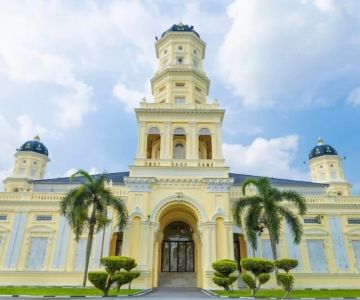
Discover why the Sultan Abu Bakar State Mosque, a Victorian-style mosque overlooking the Straits of Johor, is one of Malaysia's most iconic tourist destinations. Learn about its history, architecture, and why travellers flock to this stunning mosque.Why Travellers Flock to Sultan Abu Bakar State MosqueSituated majestically overlooking the Straits of Johor, the Sultan Abu Bakar State Mosque is one of Malaysia's most iconic landmarks. This beautiful mosque blends Victorian and Moorish architectural styles, and it is considered a marvel of Islamic architecture. It's no surprise that the mosque has become a must-visit destination for travellers seeking a blend of culture, history, and breathtaking views. But what exactly makes this mosque so special? Let’s dive into the fascinating details behind why visitors flock to the Sultan Abu Bakar State Mosque. 1. Historical Significance of the Sultan Abu Bakar State Mosque 2. The Unique Architectural Style of the Mosque 3. Stunning Location Overlooking the Straits of Johor 4. The Spiritual Experience and Peaceful Atmosphere 5. Cultural Importance for Malaysia and Its Visitors1. Historical Significance of the Sultan Abu Bakar State MosqueConstructed between 1892 and 1900, the Sultan Abu Bakar State Mosque was commissioned by Sultan Abu Bakar, who was the ruler of Johor at the time. The mosque was designed as a symbol of the Sultan's strength and modernity during the colonial period. It was meant to showcase not just Islamic heritage but also the blending of Western influences with traditional Islamic architecture, something that was quite rare for the time.Incorporating elements from both the Victorian era and Islamic design, the mosque is a representation of the historical evolution of Johor and its relationship with the British Empire. The mosque's construction was a significant milestone in Johor's modernization and its move toward greater global integration during the late 19th century.2. The Unique Architectural Style of the MosqueThe Sultan Abu Bakar State Mosque is renowned for its distinctive architectural style, which blends Victorian and Moorish influences. The design of the mosque features European elements like the Victorian tower and British-style arches, combined with traditional Islamic minarets and domes. This fusion of East and West gives the mosque its one-of-a-kind look and makes it a true architectural masterpiece.Visitors will notice the intricate tile work, the elaborate arches, and the tall towers, which create a harmonious yet striking combination of styles. This unique design sets it apart from other mosques in Malaysia, making it a standout example of how different cultural elements can blend to create something truly spectacular.3. Stunning Location Overlooking the Straits of JohorOne of the primary reasons travellers flock to the Sultan Abu Bakar State Mosque is its breathtaking location. Perched on a hilltop, the mosque offers panoramic views of the Straits of Johor, the waterway that separates Malaysia from Singapore. The sight of the mosque against the backdrop of the shimmering waters is an awe-inspiring scene that adds to the mosque's allure.The combination of tranquil surroundings, lush greenery, and the view of the straits makes the mosque a serene spot for reflection and contemplation. Whether you’re a local or a tourist, the peaceful setting makes it an ideal place to escape the hustle and bustle of city life and immerse yourself in the beauty of nature and culture.4. The Spiritual Experience and Peaceful AtmosphereWhile the architectural beauty and historical significance of the mosque attract visitors from all over the world, its serene and spiritual atmosphere is what leaves a lasting impact. The mosque is a place of worship, and visitors are encouraged to respect its sanctity while exploring its grounds. The quiet and contemplative environment makes it a perfect location for spiritual reflection, whether you're visiting for religious reasons or simply to enjoy the peaceful ambiance.The call to prayer that rings throughout the mosque adds to its profound spiritual experience, creating a unique atmosphere that is hard to find in other tourist attractions. The mosque serves as a reminder of the importance of peace, faith, and unity, values that resonate with people of all backgrounds.5. Cultural Importance for Malaysia and Its VisitorsThe Sultan Abu Bakar State Mosque is not only a religious and historical site but also an integral part of Malaysia's cultural identity. It represents the nation’s ability to combine modernity with tradition, reflecting the diverse influences that have shaped Malaysia's rich heritage. For Malaysian citizens, the mosque is a source of pride and a symbol of their heritage, while for international visitors, it provides a glimpse into the nation's past and the legacy of Sultan Abu Bakar.Whether you're a history buff, an architecture enthusiast, or a traveller seeking new experiences, a visit to the Sultan Abu Bakar State Mosque is a must. It offers a unique opportunity to witness the intersection of culture, spirituality, and architectural beauty, making it a true gem for anyone exploring Malaysia.If you're planning a visit to Johor, be sure to include the Sultan Abu Bakar State Mosque on your itinerary. For the best travel deals and recommendations, head over to UAK Travel, where we can help you make the most of your trip with exclusive offers and travel tips.
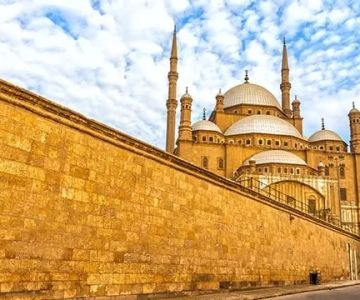
Explore the cultural significance of historic mosques in Malaysia and why every traveller should experience at least one. Discover the rich history and stunning architecture of these iconic sites.
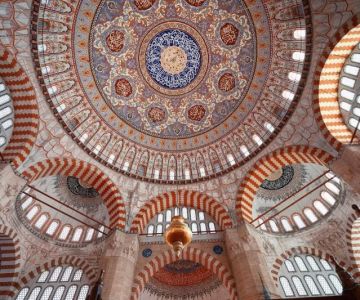
Explore how mosque architecture in Malaysia showcases the country's deep links to Arab, Ottoman, Indian, and Southeast Asian traditions. Learn about the unique design elements and cultural influences.How Mosque Architecture Reflects Malaysia’s Connection to Arab, Ottoman, Indian, and Southeast Asian Traditions 1. Introduction to Mosque Architecture in Malaysia 2. Arab Influence on Mosque Design 3. Ottoman Architecture and Its Legacy 4. Indian Influence in Malaysian Mosques 5. Southeast Asian Traditions and Mosque Design 6. Conclusion: The Fusion of Cultures1. Introduction to Mosque Architecture in MalaysiaMalaysia’s mosque architecture is a unique blend of various cultural influences, reflecting the country’s diverse history and the intersection of Islamic traditions with local and regional aesthetics. From the grandeur of Ottoman domes to the intricate carvings inspired by Indian temples, Malaysian mosques are a living testament to the influence of multiple cultures. This article will explore how the mosque designs in Malaysia highlight the links to Arab, Ottoman, Indian, and Southeast Asian traditions, each contributing to the spiritual and cultural significance of these structures.2. Arab Influence on Mosque DesignThe influence of Arab architecture on Malaysian mosques is most evident in the use of large domes, pointed arches, and expansive courtyards. These features are reminiscent of the traditional Arab mosque design, which often incorporates elements aimed at creating an open, inviting space for prayer and reflection. The most iconic example of this influence is the Sultan Abdul Samad Mosque in Kuala Lumpur, whose design showcases the distinct Arab-inspired domes and minarets that have become a hallmark of mosque architecture across the Muslim world.Arab mosques often focus on simplicity, with an emphasis on the beauty of geometric patterns and Arabic calligraphy. These elements are seamlessly integrated into Malaysian mosque designs, blending traditional Arab styles with local interpretations. The use of materials such as marble and limestone also echoes the grandeur seen in Arab mosques in the Middle East.3. Ottoman Architecture and Its LegacyThe Ottoman Empire, with its extensive reach throughout Southeast Europe, Asia, and North Africa, left a lasting imprint on mosque architecture in Malaysia. One of the most significant Ottoman contributions to mosque design is the central dome, which often serves as the focal point of the building. In Malaysian mosques, you can see the direct influence of Ottoman-style domes, often complemented by smaller auxiliary domes and expansive prayer halls.Another key feature of Ottoman mosque architecture is the use of large courtyards, which offer an open, serene environment conducive to worship. This characteristic can be observed in mosques like the Al-Nur Mosque in Kuala Lumpur, which showcases Ottoman-inspired design principles while also integrating local Malaysian aesthetics.4. Indian Influence in Malaysian MosquesIndian architectural influence is another prominent element in Malaysian mosque design. The influence of Mughal architecture, characterized by intricate carvings, grand arches, and decorative elements, can be seen in the detailed ornamentation found in some of Malaysia’s mosques. The colorful tiles and ornamental designs are reminiscent of the grand mosques in India, which are often decorated with vibrant motifs and intricate patterns.One excellent example of Indian influence is the Jamek Mosque in Kuala Lumpur, which combines Indian design elements with Malay and Moorish influences. The mosque features elaborate arches, minarets, and a combination of Islamic and Hindu decorative styles, making it an architectural fusion that highlights Malaysia’s unique cultural diversity.5. Southeast Asian Traditions and Mosque DesignSoutheast Asian architectural traditions, including the use of local materials such as bamboo, timber, and woven fabrics, also play a significant role in the design of mosques in Malaysia. These mosques often incorporate local craftsmanship, giving the buildings a distinctively Southeast Asian flair. The use of tropical wood, such as teak, is common in the construction of mosque interiors, adding both beauty and functionality to the space.Traditional Malay mosque designs are often marked by tiered roofs and decorative woodwork, which can be traced back to indigenous Malay architectural styles. These elements, while distinctly local, work in harmony with the larger Islamic design principles, creating a structure that is both rooted in local tradition and aligned with Islamic architectural aesthetics. The National Mosque (Masjid Negara) in Kuala Lumpur serves as a prime example of how Southeast Asian and Islamic design principles can be elegantly combined.6. Conclusion: The Fusion of CulturesMalaysia’s mosque architecture is a beautiful representation of the country’s rich cultural heritage and its connection to various Islamic and regional traditions. From the grandeur of Arab domes to the intricate details of Indian-inspired ornamentation, these mosques are a fusion of architectural styles that reflect Malaysia’s multicultural identity. As travelers explore the mosques of Malaysia, they will encounter a diverse range of designs that offer a glimpse into the country’s history, faith, and artistry. This unique blend of influences continues to shape the architectural landscape of Malaysia’s religious sites, making them some of the most culturally significant structures in the region.
 homestay shah alam, Seksyen 13 (DyLa Homestay)5.0 (1 reviews)
 Lecomfy Guesthouse Bangi5.0 (5 reviews)
 Lonely Rock4.0 (1 reviews)
 Songkhla Thai Massage Centre3.0 (59 reviews)
 Kedai Makan Kak Ha Perpaduan0.0 (0 reviews)
 建龙名宿 kian Loong Homestay3.0 (2 reviews)
 Exploring the Unique Designs of Mosques in Malaysia: A Journey Through Islamic Architecture
 Exploring the Architectural Beauty of Mosques in Malaysia: A Journey Through Islamic Architecture
 How to Get to the Famous Mosques in Kuala Lumpur by Public Transport: A Complete Travel Guide
 Visiting Malaysia’s Most Famous Mosques During Eid: A Unique Cultural Experience
 Top Mosques to Visit During Ramadan in Malaysia: A Traveler's Guide
 Discover the History of Masjid Titiwangsa in Kuala Lumpur: A Cultural and Architectural Gem