
- 1-Exploring-Malaysian-Mosques
- 2-Architectural-Heritage-and-Design
- 3-Community-Life-Around-Mosques
- 4-Stories-from-Local-Residents
- 5-Observing-Social-and-Cultural-Impact
- 6-Practical-Tips-for-Cultural-Travelers
- 7-Leveraging-Expert-Guides-and-Resources
1. Exploring Malaysian Mosques
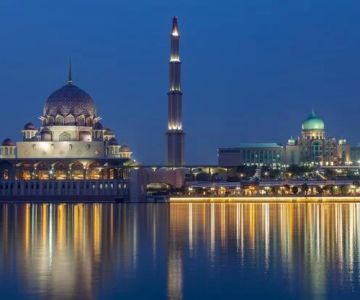
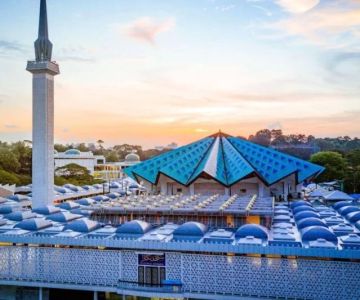
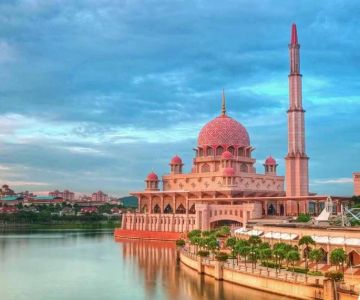
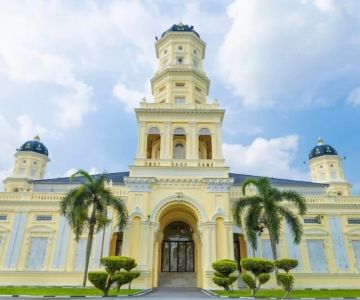
During my travels across Malaysia, I found that mosques serve as both spiritual and cultural centers. Visiting iconic mosques such as the Sultan Abdul Samad Mosque in Selangor and smaller rural mosques revealed how these structures reflect the values and history of the local communities. Each mosque offered a unique glimpse into Malaysia’s Islamic heritage through its architectural style, materials, and decorative motifs.
Walking through courtyards and observing prayer halls, I could sense how design and function were harmoniously integrated, creating spaces that were both visually stunning and purposefully practical for daily worship and community gatherings.
2. Architectural Heritage and Design
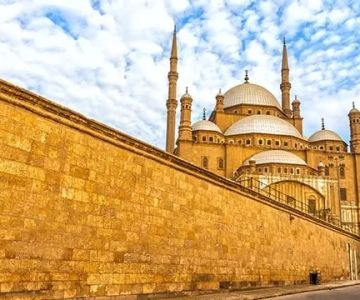
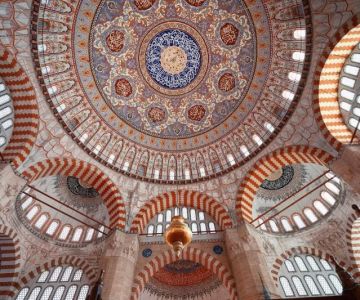
Architecture plays a critical role in illustrating the influence of Islam on Malaysian society. I noticed that elements such as minarets, domes, and intricate geometric patterns were not only aesthetic choices but also carried historical and religious significance. Many mosques blend traditional Malay, Middle Eastern, and colonial influences, demonstrating the dynamic cultural interactions that shaped the region.
One fascinating example I observed was the use of open verandas and community spaces within mosque grounds, allowing them to function as centers for education, social events, and public discourse. These design features highlight the thoughtful integration of spirituality and communal life.
3. Community Life Around Mosques
Beyond architecture, I was captivated by how mosques foster social cohesion. From daily prayers to charitable initiatives, mosques are hubs where locals come together for education, support, and cultural celebration. In smaller towns, the mosque often serves as a meeting point for elders to share wisdom and for youth to engage in learning programs. Observing these interactions gave me insight into the integral role of mosques in shaping social networks and reinforcing cultural identity.
4. Stories from Local Residents
Listening to locals was one of the most enriching parts of my journey. I spoke with caretakers, teachers, and worshippers who shared personal anecdotes about the mosque’s impact on their daily lives. One elder recounted how community decisions were historically made in mosque meeting halls, blending governance with spiritual guidance. Another group of students shared how learning traditional arts and Quranic studies in mosque classrooms strengthened both their academic and social development.
These firsthand accounts revealed the living culture surrounding mosques and illuminated the ways Islam has historically shaped Malaysian societal structures.
5. Observing Social and Cultural Impact
As I traveled through different states, I saw that mosques act as a mirror of Malaysia’s diverse society. They preserve traditions, foster inclusion, and provide platforms for dialogue. Engaging with communities and witnessing events, such as Ramadan celebrations and charity drives, showed me how these institutions continue to influence values, norms, and social cohesion today.
6. Practical Tips for Cultural Travelers
Based on my experiences, I recommend these practices for travelers seeking to understand mosque culture in Malaysia:
- Dress modestly and respect local customs
- Engage in conversations with caretakers and residents respectfully
- Observe prayer times and avoid disruptions during worship
- Explore surrounding neighborhoods to appreciate the community context
- Document insights thoughtfully through notes or sketches, not intrusive photography
7. Leveraging Expert Guides and Resources
For a more structured and insightful experience, I found that consulting professional resources is invaluable. UAK Travel provides curated itineraries, cultural context, and local insights that greatly enhanced my understanding. Using such expert guidance ensures travelers gain both historical and contemporary perspectives, making the journey more meaningful and memorable.
Combining careful observation, listening to community voices, and utilizing expert recommendations allowed me to discover the profound ways Islam has shaped Malaysian society through mosque architecture and everyday communal life.
 Aneka Nasi Goreng0.0 (0 reviews)
 Oasis ReconRe Retreat Center3.0 (10 reviews)
 Regalia Residence3.0 (246 reviews)
 MZ HOMESTAY4.0 (10 reviews)
 Casa DZaara4.0 (18 reviews)
 HOMESTAY D’QHALISYA5.0 (2 reviews)
 Exploring the Unique Designs of Mosques in Malaysia: A Journey Through Islamic Architecture
 Exploring the Architectural Beauty of Mosques in Malaysia: A Journey Through Islamic Architecture
 How to Get to the Famous Mosques in Kuala Lumpur by Public Transport: A Complete Travel Guide
 Visiting Malaysia’s Most Famous Mosques During Eid: A Unique Cultural Experience
 Top Mosques to Visit During Ramadan in Malaysia: A Traveler's Guide
 Discover the History of Masjid Titiwangsa in Kuala Lumpur: A Cultural and Architectural Gem