
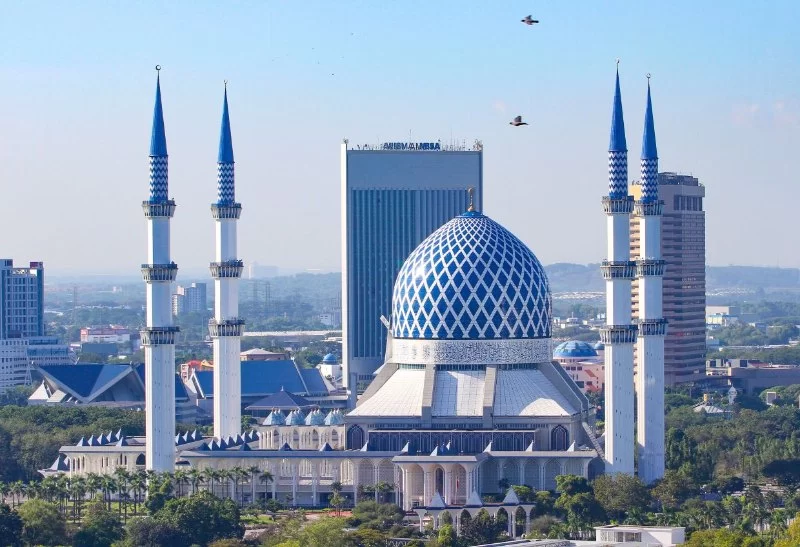
- Understanding Mosque Heritage in Malaysia
- The Importance of Local Storytelling
- The Role of Oral History in Preserving Cultural Heritage
- Notable Mosques in Malaysia and Their Stories
- Visiting Malaysia’s Mosques with UAK Travel
Understanding Mosque Heritage in Malaysia
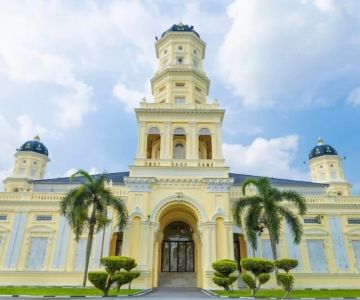
Malaysia is a country with a rich and diverse history, and its mosques are an important part of its cultural fabric. From the grandiose structures in urban areas to the more modest, yet equally significant, mosques found in rural villages, these buildings stand as a testament to the nation's Islamic heritage. The history and significance of each mosque often tell stories of local traditions, historical events, and the evolution of Malaysian society. Discovering this mosque heritage through local storytelling gives visitors a deeper understanding of the country’s cultural and spiritual journey.
The Role of Mosques in Malaysian Society
In Malaysia, mosques are not just places of worship but also community hubs that play a pivotal role in social, educational, and spiritual life. These mosques are often tied to local histories, with each one having unique stories and legends passed down through generations. The diversity in the design and function of mosques across the country reflects the cultural and religious diversity of the Malaysian people, from Malay to Chinese, Indian, and other indigenous communities.
The Importance of Local Storytelling
Local storytelling in Malaysia is an integral way of preserving and passing down cultural knowledge. Storytellers, often elders in the community, recount tales of the past, including the founding of mosques, the lives of prominent figures, and important religious events. These stories serve as a bridge between the past and present, allowing younger generations to connect with their heritage and understand the significance of their local mosques.
Storytelling as a Living Tradition
Storytelling in Malaysia is an oral tradition, passed down through families and communities. It provides a personal and emotional connection to history, which can be more vivid and engaging than written records alone. Many of these stories are infused with local myths, legends, and personal experiences, making them a unique part of Malaysia’s intangible cultural heritage. Local mosque stories often reflect the deep spiritual bonds that communities have with their places of worship, imbuing them with even greater significance.
Connecting the Past to the Present
Local storytelling plays an essential role in keeping history alive. For instance, some stories focus on the construction of ancient mosques, the vision of their founders, and the challenges they faced. By retelling these narratives, the values and lessons of the past are shared with future generations, ensuring that these cultural gems are not forgotten. This tradition also helps preserve the integrity of the mosque's role in the community and ensures that its cultural relevance remains intact.
The Role of Oral History in Preserving Cultural Heritage
Oral history is an invaluable tool for preserving the cultural heritage of Malaysia, especially when it comes to its mosques. While many written records and historical documents exist, oral history provides a more personal, nuanced, and localized perspective. It allows individuals to share their lived experiences and personal connections to mosques, offering a deeper understanding of the importance of these buildings within the community.
Documenting Oral Histories of Mosque Communities
In Malaysia, oral history projects have been undertaken to document the experiences of mosque-goers and the people who helped build or maintain these mosques. Through interviews and conversations with locals, historians and researchers gather invaluable insights into the daily lives of the people, their traditions, and their relationship with the mosque. These stories provide a wealth of knowledge that cannot always be found in written texts, making them an essential aspect of preserving Malaysia’s mosque heritage.
Oral History as a Bridge to Cultural Understanding
Oral histories also help bridge gaps between different communities. For example, stories about mosques in multicultural areas of Malaysia may feature accounts from individuals of various ethnic and religious backgrounds, showcasing the diverse ways in which mosques have impacted people’s lives. These stories contribute to a broader understanding of Malaysia's cultural richness, fostering respect and appreciation for its diversity.
Notable Mosques in Malaysia and Their Stories
Throughout Malaysia, there are numerous mosques that hold not only religious significance but also historical and cultural value. Each mosque has its own unique story, tied to the community and the broader history of the region. Here are some notable examples:
1. Masjid Negara (National Mosque) – Kuala Lumpur
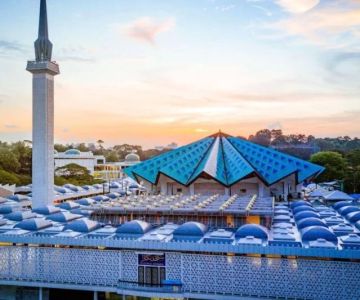
Masjid Negara, located in Malaysia’s capital, Kuala Lumpur, is one of the most iconic mosques in the country. Opened in 1965, it represents the modern face of Islam in Malaysia, with its unique architectural design that blends traditional and contemporary elements. Local storytelling and oral histories from those who witnessed its construction offer fascinating insights into the mosque’s symbolic significance as a national symbol of Malaysia’s independence and religious diversity.
2. Masjid Jamek – Kuala Lumpur
Masjid Jamek is one of the oldest mosques in Kuala Lumpur, built in 1909. This mosque, located at the confluence of the Klang and Gombak rivers, has been at the heart of the city’s growth. The mosque’s historical significance is reflected in the stories of its founders and its evolution alongside the city itself. The local community’s oral histories offer a personal glimpse into how this mosque has served as a center of spiritual life in the city for over a century.
3. Al-Azim Mosque – Melaka
Located in Melaka, Al-Azim Mosque is a beautiful example of Malay-Islamic architecture. With its rich history, this mosque is a testament to the deep religious roots in the region. Local storytelling about its founding provides context to its cultural importance and the role it has played in the community for generations.
Visiting Malaysia’s Mosques with UAK Travel
If you're interested in exploring Malaysia’s mosque heritage and immersing yourself in the local storytelling traditions, consider booking a cultural tour through UAK Travel. UAK Travel offers curated experiences that allow you to visit some of the most historically significant mosques in Malaysia, guided by local experts who can share the stories and oral histories behind these beautiful structures. Whether you're a history enthusiast, a cultural explorer, or simply looking to learn more about Malaysia's rich Islamic heritage, these tours provide a deep and meaningful connection to the country's mosque heritage.
 Rest & Go0.0 (0 reviews)
 Homestay Masjid Hidayatul Muttaqin2.0 (6 reviews)
 Homestay Q Suite KL5.0 (5 reviews)
 Humairah Homestay @ IM85.0 (26 reviews)
 Seri Homestay3.0 (11 reviews)
 Ladang kelulut Voltan Agro5.0 (7 reviews)
 Exploring the Unique Designs of Mosques in Malaysia: A Journey Through Islamic Architecture
 Exploring the Architectural Beauty of Mosques in Malaysia: A Journey Through Islamic Architecture
 How to Get to the Famous Mosques in Kuala Lumpur by Public Transport: A Complete Travel Guide
 Visiting Malaysia’s Most Famous Mosques During Eid: A Unique Cultural Experience
 Top Mosques to Visit During Ramadan in Malaysia: A Traveler's Guide
 Discover the History of Masjid Titiwangsa in Kuala Lumpur: A Cultural and Architectural Gem