
- 1-why-muslim-backpacking-requires-a-different-kind-of-planning-#why-muslim-backpacking-requires-a-different-kind-of-planning
- 2-how-to-plan-routes-around-mosque-visits-without-losing-flexibility-#how-to-plan-routes-around-mosque-visits-without-losing-flexibility
- 3-finding-budget-hostels-that-respect-muslim-needs-#finding-budget-hostels-that-respect-muslim-needs
- 4-practical-ways-to-find-halal-food-on-a-backpacker-budget-#practical-ways-to-find-halal-food-on-a-backpacker-budget
- 5-real-backpacking-experiences-lessons-from-the-road-#real-backpacking-experiences-lessons-from-the-road
- 6-bringing-everything-together-for-a-balanced-muslim-backpacking-trip-#bringing-everything-together-for-a-balanced-muslim-backpacking-trip
Why Muslim Backpacking Requires a Different Kind of Planning
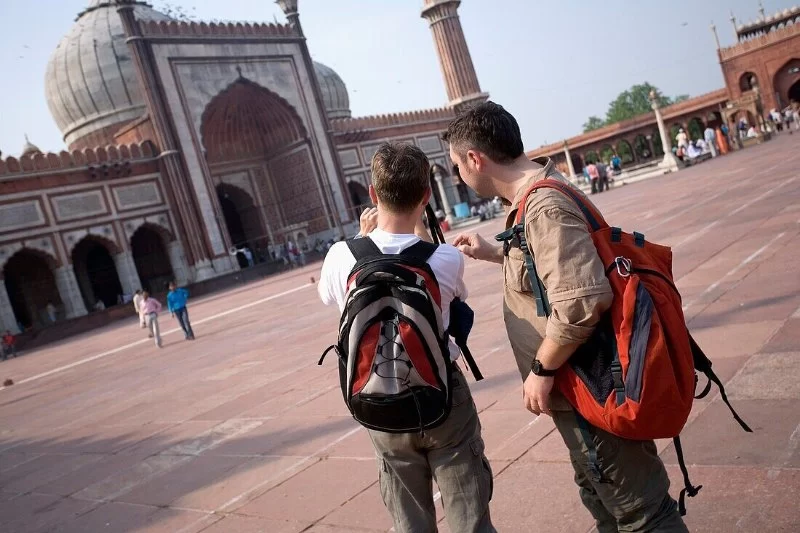
When I first started backpacking, I tried to follow the same advice everyone else did: stay flexible, book cheap hostels, eat wherever it’s affordable. Very quickly, I realized that traveling as a Muslim requires a bit more intention. Prayer times, mosque access, and halal food aren’t obstacles—but they do shape the journey.
This guide for Muslim backpackers grew out of trial and error. I learned that combining mosque visits with budget hostels and halal food is not only possible, but often makes travel more meaningful. Instead of rushing through cities, my days became anchored around prayer, community spaces, and local neighborhoods that tourists often miss.
The key shift was understanding that faith-based needs don’t limit travel—they simply redefine what “good planning” looks like.
How to Plan Routes Around Mosque Visits Without Losing Flexibility
One of the biggest misconceptions is that planning around mosque visits means rigid schedules. In practice, it’s about choosing smarter routes, not tighter timelines.
1. Using Mosques as Daily Anchors
In many cities, mosques are located near vibrant neighborhoods, markets, or transit hubs. I often plan my day so that one major mosque visit naturally aligns with sightseeing or rest. This creates natural breaks in the day instead of constant movement.
Visiting mosques while traveling also offers something guidebooks can’t: local insight. Conversations after prayer have led me to affordable eateries, safe neighborhoods, and even free community events.
2. Understanding Friday and Daily Prayer Dynamics
Fridays require special consideration, especially in non-Muslim-majority countries. Larger mosques can be crowded, and travel between cities may be inconvenient. I’ve learned to treat Fridays as lighter travel days, staying closer to one area.
3. Staying Flexible Without Being Unprepared
Planning doesn’t mean overbooking. It means knowing where mosques are and allowing the rest of the day to unfold organically. This mindset has reduced stress and made my trips feel calmer and more intentional.
Finding Budget Hostels That Respect Muslim Needs
Budget accommodation is often where Muslim backpackers worry the most. Shared spaces, unclear policies, and lack of privacy can feel intimidating at first.
1. Reading Between the Lines of Hostel Descriptions
I look for hostels that emphasize quiet hours, respectful environments, and cleanliness. These details often matter more than whether a hostel explicitly markets itself as Muslim-friendly.
2. Location Matters More Than Amenities
Staying near public transit or within walking distance of mosques makes everything easier. Even if the hostel is basic, location can reduce daily friction significantly.
3. Shared Spaces and Cultural Awareness
In my experience, most hostels are welcoming when guests communicate respectfully. I’ve found that staff are usually accommodating when it comes to quiet prayer spaces or fridge use for halal food.
Travel platforms such as UAK Travel often highlight accommodations that balance affordability with cultural sensitivity, making planning less overwhelming for Muslim travelers.
Practical Ways to Find Halal Food on a Backpacker Budget
Food is often the most stressful part of backpacking as a Muslim. Eating out frequently can strain both budget and confidence if halal options are unclear.
1. Following the Mosque-to-Food Connection
One of the most reliable patterns I’ve noticed is that halal food clusters near mosques. Small restaurants, bakeries, or grocery shops often exist within walking distance, even in unexpected cities.
2. Using Local Markets and Self-Catering
Cooking occasionally is one of the easiest ways to stay within budget. Simple meals using local produce not only save money but also help you understand local food culture without compromising dietary needs.
3. Asking the Right Questions
I’ve learned to ask directly and respectfully about ingredients. Most people appreciate honesty, and it avoids misunderstandings. Over time, this becomes second nature.
Real Backpacking Experiences: Lessons From the Road
During a long trip through several European cities, I worried that combining mosque visits, budget hostels, and halal food would feel restrictive. Instead, it slowed me down in the best way.
One evening, after prayer at a small neighborhood mosque, a local family invited me to a nearby halal café I would never have found on my own. That meal became one of the most memorable moments of the trip—not because it was fancy, but because it was human.
Experiences like this are common when travel is rooted in community rather than checklists. This is the heart of a meaningful guide for Muslim backpackers.
Bringing Everything Together for a Balanced Muslim Backpacking Trip
Learning how to combine mosque visits with budget hostels and halal food is about alignment. When your accommodation, meals, and daily rhythm support your values, travel becomes less tiring and more fulfilling.
The biggest lesson I’ve learned is that planning around faith doesn’t limit discovery—it deepens it. You notice different neighborhoods, meet different people, and experience destinations beyond tourist highlights.
For Muslim travelers who want to explore the world thoughtfully and affordably, resources like UAK Travel can help bridge practical needs with meaningful experiences. With the right approach, backpacking becomes not just possible, but deeply rewarding.
 Surau Pejabat Daerah dan Tanah Lipis0.0 (0 reviews)
 Azmi & Faizah Kg Padang Tok Mat0.0 (0 reviews)
 Carro (Formerly myTukar) Cheras Sentral Mall - Inspection Centre3.0 (123 reviews)
 Teratak AA0.0 (0 reviews)
 Citarasa Depan Padang4.0 (2 reviews)
 Hotel Sri Bintang3.0 (440 reviews)
 Exploring the Unique Designs of Mosques in Malaysia: A Journey Through Islamic Architecture
 Exploring the Architectural Beauty of Mosques in Malaysia: A Journey Through Islamic Architecture
 How to Get to the Famous Mosques in Kuala Lumpur by Public Transport: A Complete Travel Guide
 Visiting Malaysia’s Most Famous Mosques During Eid: A Unique Cultural Experience
 Top Mosques to Visit During Ramadan in Malaysia: A Traveler's Guide
 Discover the History of Masjid Titiwangsa in Kuala Lumpur: A Cultural and Architectural Gem