
- Traditional Elements in Mosque Design
- Modern Innovations in Mosque Architecture
- Case Studies: Iconic Mosques in Malaysia
- Photos of Malaysian Mosques: A Visual Journey
- The Future of Mosque Design in Malaysia
Traditional Elements in Mosque Design
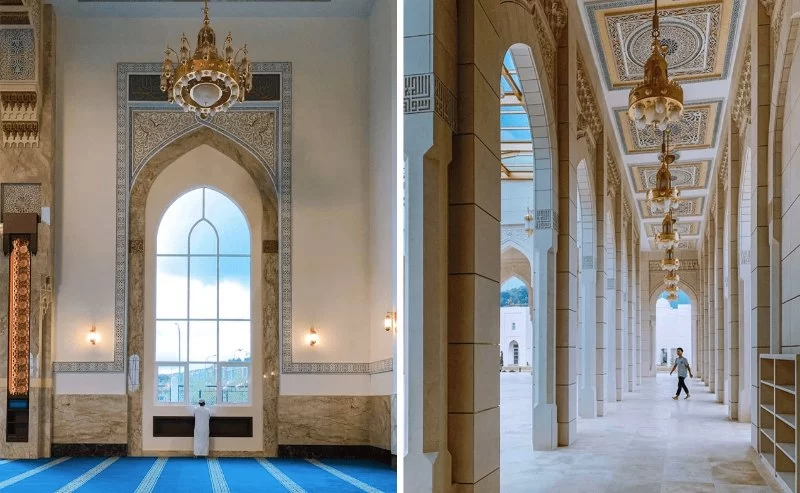
Mosque design in Malaysia has long been influenced by traditional Islamic architectural principles, which include the use of geometric patterns, domes, and large open prayer halls. These elements symbolize both the unity of the Muslim community and the transcendence of the divine. Traditional mosque architecture often incorporates intricate carvings, arches, and minarets, which are symbols of Islamic art and serve as a connection to centuries of religious and cultural heritage.
The design of mosques in Malaysia frequently features the use of local materials such as timber, stone, and terracotta, which are essential in blending the mosque seamlessly with its surroundings. The traditional elements often aim to create a spiritual atmosphere, where the architecture encourages contemplation and reflection during prayer. This integration of heritage and culture ensures that Malaysian mosques retain their connection to Islamic traditions while serving modern needs.
Modern Innovations in Mosque Architecture
While maintaining traditional values, modern mosque design in Malaysia has embraced innovation, introducing contemporary materials, techniques, and design ideas. Modern mosques often feature sleek glass facades, minimalist interiors, and environmentally sustainable elements. The incorporation of natural lighting and open spaces is common in contemporary designs, aiming to create a tranquil and inviting atmosphere for worshippers.
One of the most significant modern innovations in mosque architecture is the use of green building techniques. Many mosques in Malaysia now utilize energy-efficient technologies, such as solar panels, rainwater harvesting systems, and natural ventilation. This reflects the growing awareness of environmental sustainability, aligning with both Islamic values of stewardship of the earth and global architectural trends.
Additionally, modern mosque designs often include multi-purpose spaces that cater to the needs of the community beyond prayer times. These spaces are used for education, social services, and cultural events, reflecting the mosque's role as a community center as well as a place of worship.
Case Studies: Iconic Mosques in Malaysia
To understand how Malaysia blends tradition with modernity in mosque design, let’s look at several iconic mosques that exemplify this balance:
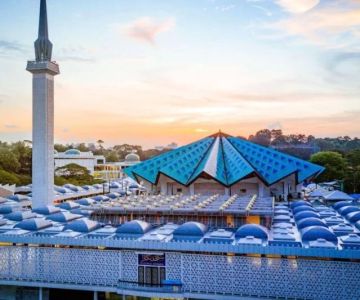
- The National Mosque (Masjid Negara), Kuala Lumpur - Completed in 1965, Masjid Negara is an iconic example of modernist Islamic architecture. Its design includes a stunning 16-pointed star-shaped concrete roof and a soaring minaret. The mosque's interior combines traditional Islamic decorative elements with modern touches, making it a symbol of Malaysia's post-independence identity.
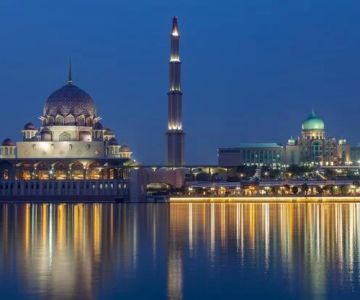
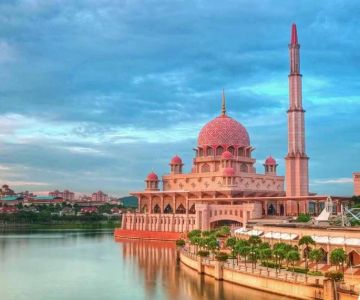
- The Putra Mosque, Putrajaya - Known for its distinctive pink dome, the Putra Mosque blends classical Islamic architecture with contemporary materials. The use of pink granite and modern design elements sets it apart from traditional mosques, while still adhering to classical Islamic forms, such as the large prayer hall and the surrounding courtyards.
- The Sultan Ahmad Shah State Mosque, Kuantan - This mosque features a combination of traditional Malay design and modern architectural elements. Its design emphasizes simplicity and functionality, with an emphasis on using natural light and creating a peaceful atmosphere for worship.
These mosques showcase how Malaysian architects successfully merge traditional Islamic design with contemporary innovations, creating structures that honor the past while looking toward the future.
Photos of Malaysian Mosques: A Visual Journey
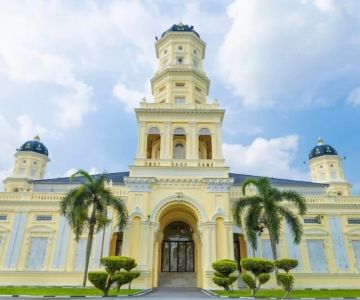
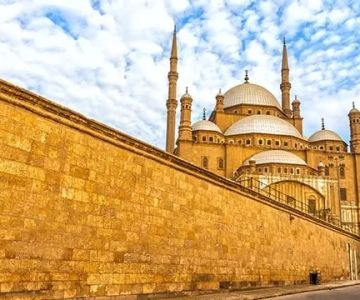
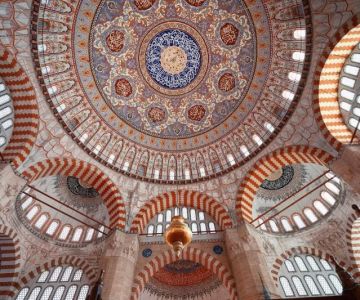
Exploring the photos of Malaysian mosques provides a deeper understanding of how tradition and modernity are seamlessly intertwined in mosque architecture. From the majestic domes and intricate calligraphy of traditional designs to the clean lines and minimalist approaches of modern mosques, the visual journey through Malaysia's mosque architecture reveals a fascinating evolution.
Images of mosques like Masjid Negara’s iconic roof or the serene reflection of Putra Mosque in its surrounding water offer a glimpse into how modern and traditional elements complement each other. These mosques serve as cultural landmarks, attracting both worshippers and tourists, and demonstrate how architecture can tell the story of a nation’s religious and cultural journey.
The Future of Mosque Design in Malaysia
The future of mosque design in Malaysia seems poised to continue evolving, with greater emphasis on sustainability, community-centered spaces, and innovative use of technology. As Malaysia grows, the role of mosques as community hubs will become even more important, with future designs likely to incorporate advanced technologies such as smart building systems, interactive features, and digital integration for worshippers.
Architectural trends suggest that mosques will continue to adopt green building principles, creating environments that are energy-efficient and environmentally friendly. Additionally, the design of future mosques will likely focus more on creating adaptable spaces that serve multiple functions, ensuring that they remain relevant and serve the needs of an ever-changing society.
As Malaysia continues to balance tradition with modernity in mosque design, it will be exciting to see how architects continue to innovate, creating mosques that are both timeless and forward-thinking. For those interested in exploring these architectural marvels, UAK Travel offers great opportunities to visit Malaysia and experience these mosques in person, combining cultural exploration with architectural admiration.
 Surau Pejabat Daerah dan Tanah Lipis0.0 (0 reviews)
 Azmi & Faizah Kg Padang Tok Mat0.0 (0 reviews)
 Carro (Formerly myTukar) Cheras Sentral Mall - Inspection Centre3.0 (123 reviews)
 Teratak AA0.0 (0 reviews)
 Citarasa Depan Padang4.0 (2 reviews)
 Hotel Sri Bintang3.0 (440 reviews)
 Exploring the Unique Designs of Mosques in Malaysia: A Journey Through Islamic Architecture
 Exploring the Architectural Beauty of Mosques in Malaysia: A Journey Through Islamic Architecture
 How to Get to the Famous Mosques in Kuala Lumpur by Public Transport: A Complete Travel Guide
 Visiting Malaysia’s Most Famous Mosques During Eid: A Unique Cultural Experience
 Top Mosques to Visit During Ramadan in Malaysia: A Traveler's Guide
 Discover the History of Masjid Titiwangsa in Kuala Lumpur: A Cultural and Architectural Gem