
- 1-mosques-as-community-centers-in-malaysia-#mosques-as-community-centers-in-malaysia
- 2-daily-life-around-the-mosque-#daily-life-around-the-mosque
- 3-education-social-support-and-youth-activities-#education-social-support-and-youth-activities
- 4-economic-and-cultural-roles-of-mosques-#economic-and-cultural-roles-of-mosques
- 5-how-this-shapes-malaysian-community-identity-#how-this-shapes-malaysian-community-identity
- 6-what-travelers-can-learn-from-local-mosque-life-#what-travelers-can-learn-from-local-mosque-life
Mosques as Community Centers in Malaysia
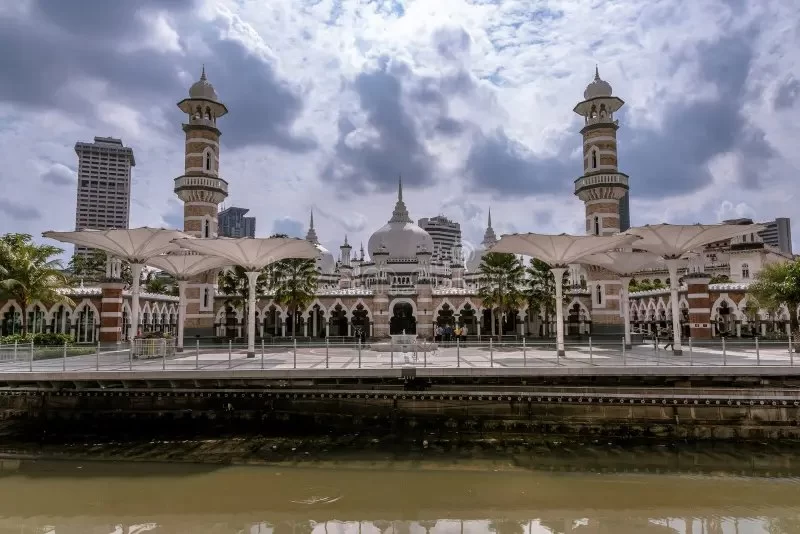
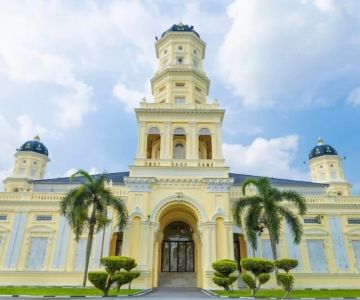
When people think of mosques, they often imagine quiet spaces reserved strictly for prayer. However, spending time in :contentReference[oaicite:0]{index=0} quickly reshapes that assumption. Here, mosques function as living community hubs—places where daily life, social responsibility, and shared identity all intersect.
From urban neighborhoods to small rural towns, mosques are intentionally designed to welcome people beyond the five daily prayers. This broader role reflects a long-standing cultural understanding that faith is not separated from everyday living, but deeply embedded within it.
Daily Life Around the Mosque
Early in the morning, the mosque courtyard often becomes a place of quiet movement. Elderly neighbors gather to chat after dawn prayer, parents walk children to nearby schools, and small food stalls begin setting up just outside the gates. This rhythm repeats itself daily, turning the mosque into a familiar anchor point for the entire neighborhood.
In the afternoons, it’s common to see people stopping by not only to pray, but to rest, read, or seek guidance. Some mosques provide shaded seating areas and open halls where locals casually spend time, reinforcing the idea that the mosque belongs to everyone.
Education, Social Support, and Youth Activities
1. Learning Beyond Religious Study
Many Malaysian mosques host free or low-cost classes that go far beyond traditional religious education. Language lessons, basic financial literacy, and even health-awareness workshops are regularly organized. These programs are often led by volunteers from within the community, creating a strong sense of shared responsibility.
2. Social Welfare and Mutual Aid
One of the most powerful roles mosques play is in social support. Donation drives, food distribution, and emergency assistance are frequently coordinated through mosque committees. During economic hardships or natural disasters, mosques often become the first point of organized local response.
3. Safe Spaces for Youth
Youth engagement is another major focus. Evening programs, sports activities, and discussion circles give young people a sense of belonging. These spaces help guide them through challenges while keeping them connected to positive role models within their own communities.
Economic and Cultural Roles of Mosques
Around many mosques, especially on Fridays and during major religious events, small-scale economic activity flourishes. Local vendors sell homemade food, clothing, and books, creating micro-economies that directly benefit neighborhood families.
Culturally, mosques also host weddings, community dialogues, and holiday celebrations. These events reinforce shared traditions and ensure that cultural practices are passed down through generations, not confined to private homes.
How This Shapes Malaysian Community Identity
Witnessing how Malaysian communities use mosques beyond worship reveals a deeply collective mindset. The mosque is not a place you visit briefly and leave behind—it’s a space that grows with the community and reflects its needs.
This integration strengthens trust among neighbors. People recognize familiar faces daily, share concerns openly, and contribute time or resources when needed. In many ways, the mosque becomes a living reflection of community health and cohesion.
What Travelers Can Learn From Local Mosque Life
For visitors, observing mosque-centered daily life offers a rare and meaningful window into Malaysian culture. Respectful observation—sometimes even simple conversation with locals—can reveal how faith, generosity, and practicality coexist seamlessly.
Travelers interested in culturally immersive experiences often discover that understanding mosque life enriches their entire journey. Platforms like UAK Travel can help visitors plan respectful, insightful experiences that go beyond surface-level sightseeing and into genuine cultural connection.
Ultimately, witnessing how Malaysian communities use mosques beyond worship is a reminder that meaningful spaces are not defined by walls alone, but by how people choose to live within and around them every single day.
 Expressionz KLCC by Wodages3.0 (171 reviews)
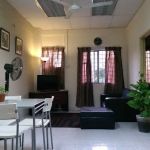 Homestay RM97 Serdang UPM MAEPS Bukit Jalil0.0 (0 reviews)
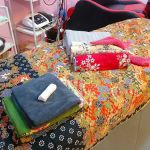 URUTAN & BEKAM (Kejora Wellness SPA)4.0 (35 reviews)
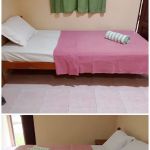 D,pinggiran Gunung Tebu Bilik Penginapan0.0 (0 reviews)
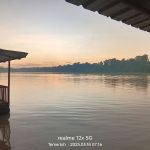 Rakit Temerloh Salleh3.0 (22 reviews)
 Beary Home Hostel0.0 (0 reviews)
 Exploring the Unique Designs of Mosques in Malaysia: A Journey Through Islamic Architecture
 Exploring the Architectural Beauty of Mosques in Malaysia: A Journey Through Islamic Architecture
 How to Get to the Famous Mosques in Kuala Lumpur by Public Transport: A Complete Travel Guide
 Visiting Malaysia’s Most Famous Mosques During Eid: A Unique Cultural Experience
 Top Mosques to Visit During Ramadan in Malaysia: A Traveler's Guide
 Discover the History of Masjid Titiwangsa in Kuala Lumpur: A Cultural and Architectural Gem