
Mosque-Based Eco-Tourism in Malaysia: Respecting Nature and Culture
mosque-based eco-tourism, eco-tourism in Malaysia, sustainable tourism, cultural tourism, Malaysia travel, mosque tourism, sustainable tourism practices
Explore the growing trend of mosque-based eco-tourism in Malaysia, focusing on sustainability and cultural respect. Learn how these tours are reshaping the tourism industry while preserving local heritage and the environment.
Understanding Mosque-Based Eco-Tourism in Malaysia
Eco-tourism is becoming a dominant trend in Malaysia, and mosque-based eco-tourism is gaining traction as travelers seek authentic, respectful, and sustainable experiences. This form of tourism focuses on integrating cultural heritage, environmental responsibility, and community involvement. In Malaysia, mosques are not only places of worship but also sites of significant cultural and historical value, making them an ideal location for eco-tourism initiatives.
1. The Role of Mosques in Malaysian Culture
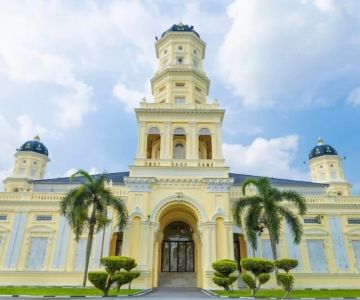
In Malaysia, mosques are an integral part of local life. They are not only religious centers but also historical landmarks that tell the story of the country's rich Islamic heritage. Many mosques in Malaysia are centuries old and are architectural marvels that combine traditional Islamic design with local influences. They serve as hubs for socializing, education, and community activities. With their significance in local culture, mosques offer a unique backdrop for eco-tourism, blending spiritual and cultural exploration with nature conservation efforts.
2. Principles of Mosque-Based Eco-Tourism
The essence of mosque-based eco-tourism lies in promoting sustainable travel practices while respecting the cultural and religious importance of mosques. This type of eco-tourism encourages visitors to appreciate the natural environment surrounding mosques, engage with local communities, and learn about the history and significance of the mosque. Key principles include:
- Environmental Conservation: Tours emphasize the preservation of local ecosystems, encouraging visitors to engage in eco-friendly practices like waste reduction and responsible water use.
- Cultural Respect: Mosque-based eco-tourism ensures that visitors respect local customs, traditions, and religious practices. This includes dressing appropriately, observing silence in prayer areas, and following mosque etiquette.
- Community Involvement: These eco-tourism initiatives often involve local communities in the planning and execution of tours, ensuring that the benefits of tourism directly support the locals.
3. Popular Mosque-Based Eco-Tourism Destinations in Malaysia
Malaysia is home to a number of beautiful mosques that offer exceptional eco-tourism experiences. Some notable mosque-based eco-tourism destinations include:
- The Sultan Ahmad Shah Mosque (Pahang): Known for its stunning architecture and serene environment, this mosque offers guided tours that explore its cultural significance and surrounding natural beauty. Eco-tourism initiatives include nature walks and sustainable agriculture tours in the nearby countryside.
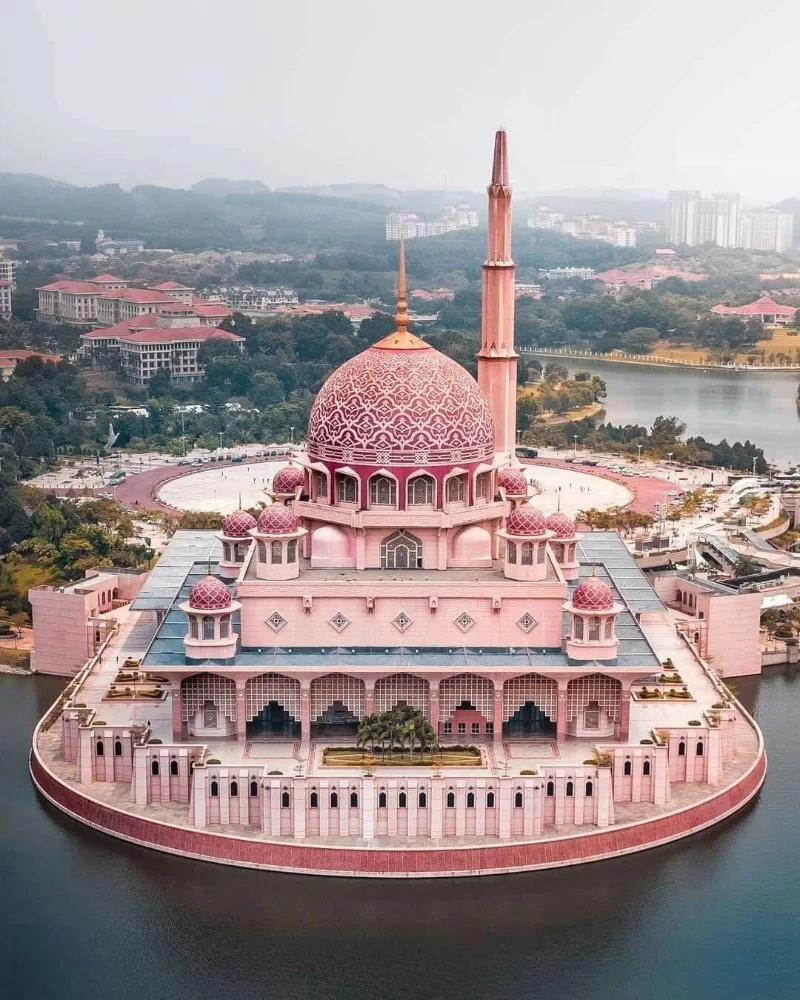
- The Putra Mosque (Putrajaya): Located beside a lake, the Putra Mosque blends Islamic architecture with natural surroundings. Visitors can explore the mosque's unique design while participating in eco-friendly activities, such as boat rides on the lake and bird watching.
- The Al-Nour Mosque (Langkawi): Situated on the island of Langkawi, this mosque offers visitors an opportunity to explore its connection to the island’s natural landscape. Tours focus on eco-tourism practices, such as sustainable gardening and the importance of preserving Langkawi's biodiversity.
4. Benefits of Mosque-Based Eco-Tourism
There are many benefits to integrating mosque-based eco-tourism into Malaysia's travel scene:
- Preserving Cultural Heritage: By incorporating mosques into eco-tourism programs, local traditions and religious practices are preserved and shared with a wider audience. This helps to ensure that future generations understand and respect these cultural landmarks.
- Environmental Sustainability: Mosque-based eco-tourism emphasizes the importance of sustainability. By promoting eco-friendly practices, such as the use of renewable energy, waste management, and sustainable farming, it helps to minimize the environmental impact of tourism.
- Economic Support for Local Communities: By involving local communities in eco-tourism initiatives, mosque-based eco-tourism generates income for local businesses and provides job opportunities. This also encourages the preservation of local crafts, traditions, and food culture.
5. How Mosque-Based Eco-Tourism is Shaping the Future of Malaysian Tourism
Mosque-based eco-tourism is contributing to the transformation of Malaysia’s tourism industry by promoting responsible travel. As travelers become more conscious of the environmental and cultural impacts of their journeys, there is an increasing demand for experiences that align with sustainable values. Mosque-based eco-tourism offers an opportunity to engage with local culture in a respectful way while supporting environmental preservation. This is a win-win for both tourists and the communities that welcome them.
6. Tips for a Responsible Mosque-Based Eco-Tourism Experience
If you’re planning to embark on a mosque-based eco-tourism journey, here are some tips to ensure a respectful and responsible experience:
- Follow the Mosque's Guidelines: Each mosque may have its own set of rules for visitors. Be sure to follow these guidelines, especially regarding dress code and behavior during prayers.
- Engage with the Community: Take the opportunity to interact with local guides, artisans, and community members. This enhances your experience and supports the local economy.
- Respect the Environment: Participate in eco-friendly activities, avoid littering, and support sustainable practices promoted by the mosque.
- Learn and Appreciate: Take time to learn about the mosque’s history, its architectural features, and the cultural significance it holds for the local community.
7. Conclusion
Mosque-based eco-tourism in Malaysia is an exciting way to experience the country’s rich cultural heritage while promoting sustainability and environmental responsibility. By respecting local traditions and engaging with nature, visitors can have a meaningful and impactful travel experience. So, if you’re seeking a unique and enriching adventure, consider exploring the beauty and tranquility of mosque-based eco-tourism in Malaysia.
 Salam 2 Homestay Penang4.0 (30 reviews)
 LAREINE SKIN AND BODY WELLNESS4.0 (38 reviews)
![SURAU AN-NUR [Apt.Tmn.Cahaya]](https://img.uaktravel.com/d32/2506/1704287828927429_150x150.webp) SURAU AN-NUR [Apt.Tmn.Cahaya]5.0 (1 reviews)
SURAU AN-NUR [Apt.Tmn.Cahaya]5.0 (1 reviews) RUMAH JAHARA5.0 (18 reviews)
 San Francisco Coffee Menara Keck Seng4.0 (13 reviews)
 SEMERAH ENTERPRISE SDN BHD4.0 (9 reviews)
 Exploring the Unique Designs of Mosques in Malaysia: A Journey Through Islamic Architecture
 Exploring the Architectural Beauty of Mosques in Malaysia: A Journey Through Islamic Architecture
 How to Get to the Famous Mosques in Kuala Lumpur by Public Transport: A Complete Travel Guide
 Visiting Malaysia’s Most Famous Mosques During Eid: A Unique Cultural Experience
 Top Mosques to Visit During Ramadan in Malaysia: A Traveler's Guide
 Discover the History of Masjid Titiwangsa in Kuala Lumpur: A Cultural and Architectural Gem