
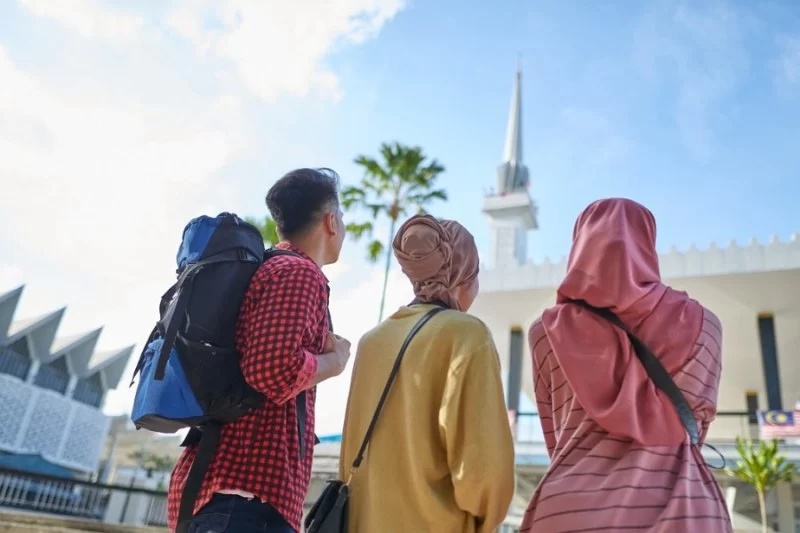
1. Why Respectful Documentation Matters
When traveling to Malaysia, particularly if you are visiting mosques, it's important to approach your documentation with respect and mindfulness. I’ve always felt that the best way to remember a trip isn’t just through photos or souvenirs, but through thoughtful writing that captures the essence of the culture, architecture, and emotions experienced. In this article, I will share some ideas on how to document your travels in a respectful and insightful way, particularly when it comes to exploring the magnificent mosques in Malaysia.
1.1 Understanding the Cultural Significance
Before setting out to write about your experiences, it’s crucial to understand the cultural significance of the places you're visiting. Malaysian mosques are not just buildings; they are spiritual sanctuaries that hold deep cultural and religious value. During my visits to places like the Sultan Abdul Samad Mosque and the National Mosque of Malaysia, I’ve learned that respect for the sanctity of the mosque should be at the forefront of your mind as you write about these experiences.
1.2 Writing with Sensitivity
When documenting your travels in a mosque, writing with sensitivity is paramount. Avoid portraying these places solely as tourist attractions. Instead, highlight the history, the architectural beauty, and the sense of peace that mosques bring to the local community. A great travel journal doesn’t simply record what you see—it captures how you feel and reflects the cultural context around you.
2. Tips for Documenting Your Trip to Malaysian Mosques
Documenting your trip to a mosque is a wonderful way to reflect on your journey and share your experiences with others. Below are some practical tips that I’ve found helpful for creating meaningful and respectful travel journals during mosque visits in Malaysia.
2.1 Focus on Architectural Details
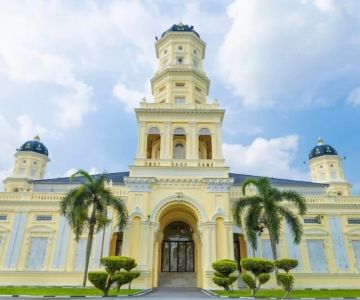
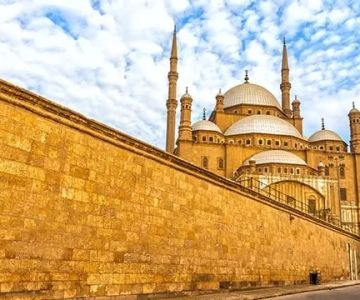
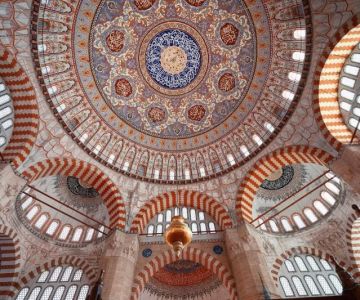
Malaysian mosques are known for their stunning architecture, from the intricate designs of the mosques in Kuala Lumpur to the vast and serene spaces in Penang. As a writer, I encourage you to focus on the details that make each mosque unique. For example, describe the graceful arches, the serene courtyards, and the detailed carvings on the walls. When I visited the Sultan Ismail Petra Mosque, I was captivated by the delicate blue tiles, and I wrote extensively about how these details reflected the tranquility of the space.
2.2 Reflect on the Atmosphere
The atmosphere of a mosque is often filled with peace, contemplation, and spirituality. I remember sitting quietly inside the National Mosque of Malaysia, taking a moment to absorb the ambiance before writing. When documenting your experience, take the time to reflect on how the space makes you feel. How does the peaceful environment contrast with the bustling city outside? These reflections will help bring your writing to life and allow others to connect with your experiences.
2.3 Be Mindful of Photography Rules
Many mosques have specific guidelines when it comes to photography. Always check for any restrictions before taking photos. Some mosques allow photography in certain areas but not during prayer times, while others may have restrictions altogether. In my experience, it's important to respect these rules and focus on capturing the essence of the place through your writing, rather than relying solely on photographs. If photos are allowed, take a few that reflect the atmosphere of the mosque, but don’t forget to also include your own reflections in your journal.
2.4 Incorporate Cultural Insights
One of the most rewarding parts of travel journaling is the opportunity to learn about and reflect on different cultures. Malaysian mosques are not just religious centers; they are an integral part of the country’s cultural heritage. During my travels, I made sure to research the historical background of each mosque I visited. For instance, I learned that the Masjid Jamek was built at the confluence of two rivers, which holds symbolic significance. Adding these insights into your journal adds depth and meaning to your writing, enriching the experience for both you and your readers.
3. How to Share Your Journal Respectfully
Once you’ve documented your trip and written about your experiences, it’s important to share your journal in a way that remains respectful to the local culture. When sharing your travel journal with others, keep in mind that your words can have a powerful impact. Here are some ways to share your work thoughtfully:
3.1 Be Respectful of Local Customs
When sharing your journal, whether it’s through a blog, social media, or a printed book, always be mindful of the local customs and sensitivities. In my own experience, I always avoid using language that could be perceived as critical or judgmental. Instead, I focus on highlighting the positive aspects of my experience, emphasizing respect, and encouraging others to approach these cultural sites with the same reverence.
3.2 Share Stories, Not Just Facts
Anyone can provide a list of facts about a mosque’s history, architecture, and location, but a great travel journal goes beyond the basics. In my own writing, I try to weave personal stories and reflections into the narrative. For example, I’ll share how I interacted with the locals or the feeling I had when entering a mosque for the first time. These personal insights allow your readers to connect with your experience and form a deeper understanding of the cultural richness of Malaysia’s mosques.
3.3 Use Your Platform for Education
In today’s digital world, platforms like blogs and social media provide an opportunity to educate others about respectful travel. When I share my mosque travel experiences, I always aim to educate my audience about the significance of these places. Whether it’s explaining the importance of modest dress when visiting a mosque or providing background on Islamic architecture, I’ve found that people appreciate learning more about the cultural and religious practices that shape the spaces they visit.
4. Recommended Resources for Respectful Travel Journaling
If you’re looking to dive deeper into respectful travel writing, there are several resources that can help. Books, websites, and even online courses can guide you in writing thoughtfully about cultural experiences. I recommend checking out resources like the UAK Travel website for articles on respectful travel and journaling tips. These platforms can provide valuable advice and inspiration as you embark on your own travel journaling journey.
In conclusion, documenting your trip to Malaysian mosques is a wonderful way to capture the essence of your travels while respecting local traditions. By focusing on the architectural beauty, cultural significance, and peaceful atmosphere of the mosques, you can create a thoughtful and meaningful record of your experiences. So, grab your journal, embrace the beauty of Malaysia, and start writing with respect and reflection!
 Rest & Go0.0 (0 reviews)
 Homestay Masjid Hidayatul Muttaqin2.0 (6 reviews)
 Homestay Q Suite KL5.0 (5 reviews)
 Humairah Homestay @ IM85.0 (26 reviews)
 Seri Homestay3.0 (11 reviews)
 Ladang kelulut Voltan Agro5.0 (7 reviews)
 Exploring the Unique Designs of Mosques in Malaysia: A Journey Through Islamic Architecture
 Exploring the Architectural Beauty of Mosques in Malaysia: A Journey Through Islamic Architecture
 How to Get to the Famous Mosques in Kuala Lumpur by Public Transport: A Complete Travel Guide
 Visiting Malaysia’s Most Famous Mosques During Eid: A Unique Cultural Experience
 Top Mosques to Visit During Ramadan in Malaysia: A Traveler's Guide
 Discover the History of Masjid Titiwangsa in Kuala Lumpur: A Cultural and Architectural Gem