
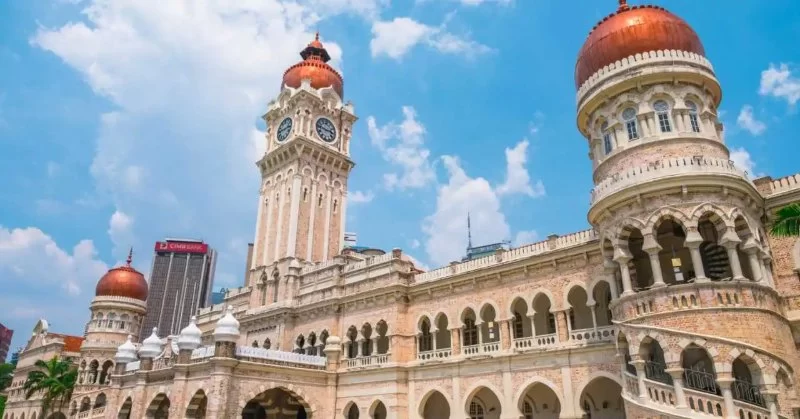
Exploring Mosque Architecture: Moorish, Ottoman, and Malay Influences in Malaysia’s Sacred Spaces
- 1. Introduction to Mosque Architecture in Malaysia
- 2. Moorish, Ottoman, and Malay Influences on Mosque Design
- 3. Notable Mosques in Malaysia with Rich Architectural Heritage
- 4. The Cultural and Religious Significance of Mosque Architecture
- 5. How to Explore Malaysia’s Mosque Architecture
- 6. Discover More with UAK Travel
1. Introduction to Mosque Architecture in Malaysia
When it comes to Islamic architecture, few countries offer such a diverse mix of styles and influences as Malaysia. The country is home to stunning mosques that blend elements of Moorish, Ottoman, and Malay architectural traditions, creating some of the most unique and beautiful sacred spaces in the world. Whether you are a traveler, an architecture enthusiast, or someone with an interest in the spiritual and cultural significance of mosques, Malaysia’s sacred spaces offer a fascinating journey.
As someone who has traveled extensively through Malaysia, I can tell you that exploring these architectural marvels is more than just an aesthetic experience. Each mosque tells a story of historical exchange, cultural evolution, and religious devotion. In this article, I will take you through the rich architectural heritage of Malaysia’s mosques, highlighting the key influences from the Moorish, Ottoman, and Malay architectural styles.
2. Moorish, Ottoman, and Malay Influences on Mosque Design
When discussing mosque architecture in Malaysia, it’s essential to understand the key influences that shaped the designs of these sacred spaces. The combination of Moorish, Ottoman, and Malay styles resulted in a beautiful blend of intricate designs, geometric patterns, and open courtyards that have become iconic features of Malaysia’s mosques.
2.1 The Moorish Influence: Elegant Arches and Intricate Tilework
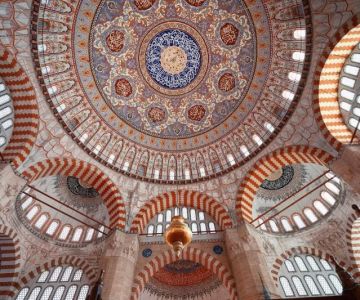
The Moorish style, which originated from Spain and North Africa, has significantly impacted the design of mosques in Malaysia. You can see the influence of Moorish architecture in the use of elegant arches, intricate tilework, and geometric patterns. The Moorish style emphasizes symmetry, and its influence is evident in mosques like the Masjid Jamek in Kuala Lumpur. The mosque’s design features the classic pointed arches and tile mosaics that are reminiscent of the Alhambra in Spain.
2.2 The Ottoman Influence: Majestic Domes and Minarets
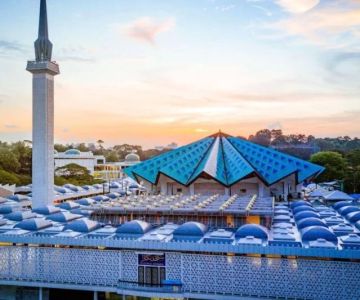
The Ottoman Empire, with its grand mosques and architectural innovations, left a lasting legacy on mosque design in Malaysia. Ottoman mosques are characterized by massive domes, slender minarets, and intricate interior decorations. One of the best examples of Ottoman influence in Malaysia is the Masjid Sultan Salahuddin Abdul Aziz Shah in Shah Alam. This mosque, often called the "Blue Mosque," features a grand dome, towering minarets, and a beautifully intricate prayer hall that reflects the grandeur of Ottoman design.
2.3 The Malay Influence: Local Materials and Traditional Elements
The Malay influence on mosque architecture in Malaysia is equally important. Traditional Malay designs focus on the use of local materials such as wood, bamboo, and palm leaves, which are integrated into mosque structures. The Masjid Kristal in Terengganu is a stunning example of how Malay traditions have shaped mosque design. Its crystal-clear glass dome and modern design elements blend seamlessly with the traditional Malay architectural style.
3. Notable Mosques in Malaysia with Rich Architectural Heritage
Malaysia is home to many beautiful mosques that showcase a variety of architectural influences. Here are a few that stand out for their impressive designs and historical significance:
3.1 Masjid Jamek, Kuala Lumpur
Located at the confluence of the Klang and Gombak rivers, Masjid Jamek is one of the oldest mosques in Kuala Lumpur. The mosque’s architecture is a blend of Moorish and Islamic styles, with its prominent white and red domes, arched doorways, and decorative tilework. The mosque’s location and design make it a perfect example of how Islamic architecture adapted to the local context in Malaysia.
3.2 Masjid Sultan Salahuddin Abdul Aziz Shah, Shah Alam
Known as the “Blue Mosque,” the Masjid Sultan Salahuddin Abdul Aziz Shah is one of the most iconic mosques in Malaysia. Its enormous blue dome, which is one of the largest in the world, along with its impressive minarets, are influenced by the grandeur of Ottoman mosques. The mosque’s interior is just as stunning, with beautiful calligraphy and intricate details that reflect Ottoman and Islamic design principles.
3.3 Masjid Kristal, Terengganu
The Masjid Kristal, located in the state of Terengganu, is a modern mosque that beautifully incorporates traditional Malay architectural elements. The mosque’s crystal-clear glass dome and elegant design make it one of the most unique mosques in Malaysia. It is an excellent example of how traditional Malay architecture has evolved in the context of modern Islamic structures.
4. The Cultural and Religious Significance of Mosque Architecture
Beyond their stunning beauty, mosques in Malaysia carry deep cultural and religious significance. The design elements of each mosque reflect the spiritual importance of the space and the history of Islamic culture in the region. For example, the use of open courtyards in mosque design reflects the Islamic emphasis on community and gathering, while the ornate decorations and calligraphy serve as reminders of the divine and the sacred.
For me, visiting these mosques has been a truly enlightening experience. Not only do they offer a glimpse into the rich history of Islam, but they also represent a fusion of various cultural influences. Walking through the prayer halls, surrounded by intricate tiles and soaring domes, is a reminder of the beauty and complexity of Islamic architecture.
5. How to Explore Malaysia’s Mosque Architecture
If you’re interested in exploring Malaysia’s mosque architecture, there are several ways to make the most of your visit. Many of the country’s mosques offer guided tours, which provide valuable insights into their history and design. I highly recommend taking a tour to learn about the various architectural influences that have shaped these sacred spaces.
5.1 Guided Tours and Cultural Visits
Guided tours at mosques like the Masjid Sultan Salahuddin Abdul Aziz Shah and Masjid Jamek can offer detailed information about the historical and cultural significance of each building. I’ve personally taken a few of these tours, and I always leave with a deeper understanding of Malaysia’s rich architectural heritage.
5.2 Architectural Photography
For architecture enthusiasts, photographing the mosques of Malaysia is a rewarding experience. From the intricate tilework to the grand domes, there is no shortage of stunning details to capture. Just remember to be respectful of the religious nature of the space when photographing interiors.
6. Discover More with UAK Travel
If you’re planning to visit Malaysia and explore its mosque architecture, be sure to check out UAK Travel for curated tours and travel packages. UAK Travel can help you plan your perfect cultural trip, ensuring you visit the most significant mosques and experience the beauty of Malaysia’s architectural heritage. Visit us today to learn more about our travel packages and services.


 Kiara.Laluan B0.0 (0 reviews)
 Kak Mah Mee Celup4.0 (3 reviews)
 HOMESTAY JURA3.0 (3 reviews)
 Homestay Baitul Ummi Kuang Sungai Buloh4.0 (7 reviews)
 Beauty Sense4.0 (13 reviews)
 RIZQIN HOMESTAY TAMAN RUPAWAN4.0 (7 reviews)
 Exploring the Unique Designs of Mosques in Malaysia: A Journey Through Islamic Architecture
 Exploring the Architectural Beauty of Mosques in Malaysia: A Journey Through Islamic Architecture
 How to Get to the Famous Mosques in Kuala Lumpur by Public Transport: A Complete Travel Guide
 Visiting Malaysia’s Most Famous Mosques During Eid: A Unique Cultural Experience
 Top Mosques to Visit During Ramadan in Malaysia: A Traveler's Guide
 Discover the History of Masjid Titiwangsa in Kuala Lumpur: A Cultural and Architectural Gem