
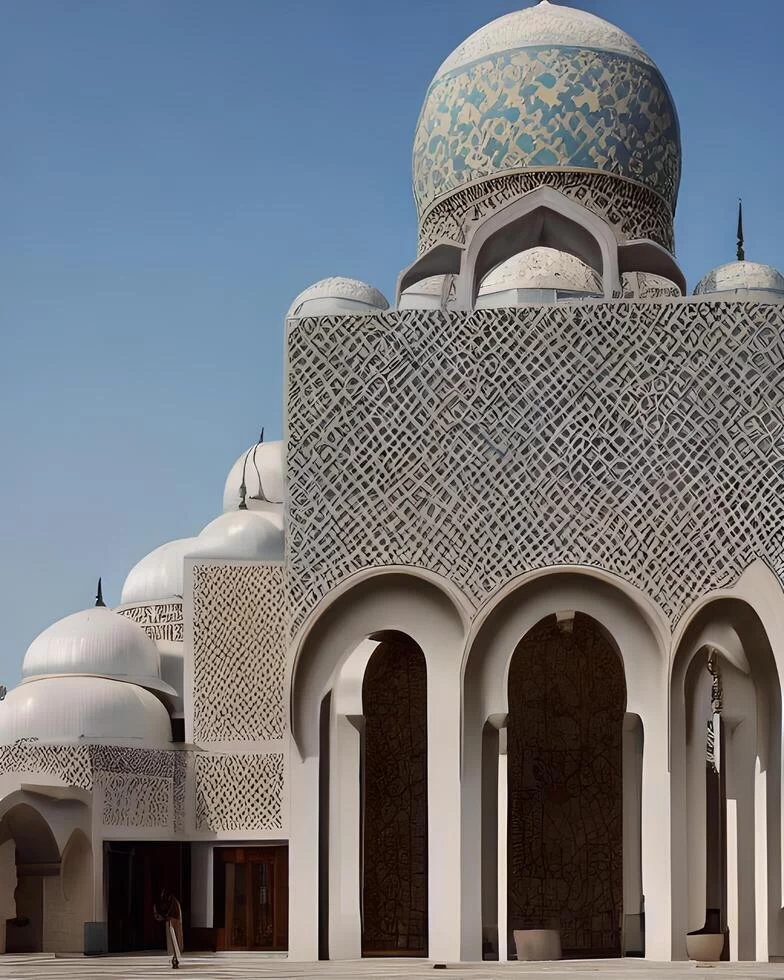
From Colonial Mosques to Futuristic Designs — The Story of Change in Malaysian Islamic Architecture
Malaysian Islamic architecture, colonial mosques, futuristic mosque designs, evolution of Islamic architecture, Malaysian architecture history, Islamic architecture in Malaysia, mosque design in Malaysia, contemporary Islamic architecture
Explore the fascinating evolution of Islamic architecture in Malaysia, from colonial mosque designs to cutting-edge futuristic structures. Learn how traditional influences blend with modern innovations to shape Malaysia’s iconic mosques today.
- Colonial Influence on Malaysian Mosques
- The Transformation of Mosque Design in Malaysia
- Modern Innovations in Islamic Architecture
- Examples of Futuristic Mosque Designs in Malaysia
- A Personal Insight: How Islamic Architecture Reflects Malaysia’s Culture
Colonial Influence on Malaysian Mosques
When we look at the history of Malaysian Islamic architecture, it's impossible to ignore the significant impact of colonialism. The British, who controlled Malaysia for much of the 19th and early 20th centuries, left their mark on many aspects of the country, including mosque design. The mosques built during the colonial period often featured a blend of Islamic architectural elements with Western styles. I remember my first visit to a mosque built in this era — the design was grand, yet there was a distinct British influence in its structure, with high ceilings and expansive spaces. The use of domes and minarets, traditional in Islamic architecture, was integrated with more colonial-style arches and large, open courtyards.
One of the most iconic examples of this colonial influence is the Masjid Jamek in Kuala Lumpur. Built in 1909, this mosque combines traditional Mughal architecture with colonial elements like the pointed arches and columns that reflect the British style of the time. The mosque stands as a reminder of Malaysia’s colonial past, but it also marks the beginning of a shift in mosque design — a shift that would continue throughout the 20th century.
The Transformation of Mosque Design in Malaysia
As Malaysia gained independence and began to define its own cultural and national identity, its mosque architecture underwent significant transformations. The traditional designs were adapted to reflect the modern needs and values of a newly independent nation. In the post-colonial era, Malaysian architects began to experiment with more local influences, blending traditional Islamic motifs with modernist principles. It was an exciting time, as buildings began to reflect the aspirations of a modern, forward-looking country.
I personally witnessed this shift in architectural styles during my travels across Malaysia. I visited mosques where traditional materials such as wood and stone were still used, but with a modern twist. The mosque structures became more intricate, and the use of local elements like bamboo and tropical wood became more prevalent. The result was a harmonious fusion of modern and traditional that spoke to the country’s rich history and culture while looking toward the future.
Modern Innovations in Islamic Architecture
Fast forward to the 21st century, and the evolution of mosque design in Malaysia has taken an even more exciting turn. Architects and designers have begun to explore futuristic concepts, incorporating cutting-edge technologies and materials into their designs. These mosques now reflect a perfect harmony between form and function, with an emphasis on sustainability and innovation. I was fortunate enough to visit one such mosque — the Masjid Putra in Putrajaya, a strikingly modern mosque that perfectly embodies Malaysia’s growing role in the global architectural scene.
What makes modern Malaysian mosques so unique is their integration of modern architectural elements with Islamic traditions. For example, the use of glass, steel, and concrete has created mosques that look both futuristic and deeply rooted in Islamic principles. These mosques also incorporate sustainable design principles, such as natural cooling systems and energy-efficient lighting, to ensure that they meet the needs of modern society while staying true to the values of Islam.
Examples of Futuristic Mosque Designs in Malaysia
Let’s take a closer look at some of the most famous examples of futuristic mosque designs in Malaysia:
1. Masjid Putra, Putrajaya
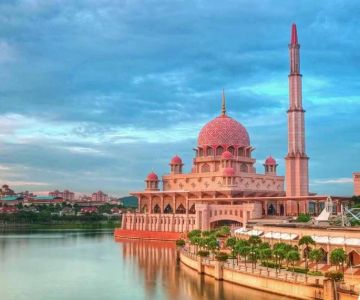
One of the most visually stunning mosques in Malaysia is the Masjid Putra in Putrajaya. Completed in 1999, this mosque features a distinctive pink dome and a massive prayer hall with minimalist, modern interiors. The combination of traditional Islamic design with modern architectural elements makes Masjid Putra a perfect example of how Malaysian architects are pushing the boundaries of mosque design.
2. Masjid Sultan Ahmad Shah, Pahang
Another striking example is the Masjid Sultan Ahmad Shah, located in the heart of Pahang. This mosque’s innovative design uses geometric shapes and clean lines to create a contemporary look. Its use of cutting-edge materials, such as glass and steel, makes it stand out as a modern icon of Malaysian architecture. I was especially taken by the mosque’s stunning façade, which changes colors depending on the angle of the sunlight — a perfect example of how architectural design can engage with the environment.
3. The National Mosque, Kuala Lumpur
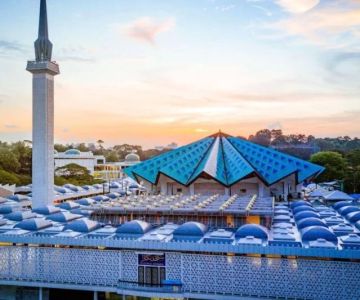
The National Mosque of Malaysia, Masjid Negara, located in Kuala Lumpur, is an iconic example of modern Islamic architecture. The mosque was designed to represent the country’s independence and was completed in 1965. Its large, open prayer hall is surrounded by intricate mosaics and modern geometric shapes, which combine traditional Islamic elements with a modern, minimalist design.
A Personal Insight: How Islamic Architecture Reflects Malaysia’s Culture
As I reflect on my travels and experiences in Malaysian mosques, I am always struck by how these structures go beyond being mere places of worship — they are reflections of Malaysia’s rich cultural heritage, history, and aspirations. The fusion of colonial, traditional, and modern styles in Malaysian mosque architecture tells a story of a country that has adapted to changing times while holding onto its Islamic roots.
What’s more, Malaysian Islamic architecture is a symbol of unity and diversity. The country’s diverse ethnic and cultural landscape is reflected in the design of its mosques, where influences from various regions come together to create a unique, cohesive style. The continued evolution of Islamic architecture in Malaysia speaks to the country’s forward-thinking approach, making its mosques not only places of spiritual significance but also architectural masterpieces that are admired worldwide.

 Salam 2 Homestay Penang4.0 (30 reviews)
 LAREINE SKIN AND BODY WELLNESS4.0 (38 reviews)
![SURAU AN-NUR [Apt.Tmn.Cahaya]](https://img.uaktravel.com/d32/2506/1704287828927429_150x150.webp) SURAU AN-NUR [Apt.Tmn.Cahaya]5.0 (1 reviews)
SURAU AN-NUR [Apt.Tmn.Cahaya]5.0 (1 reviews) RUMAH JAHARA5.0 (18 reviews)
 San Francisco Coffee Menara Keck Seng4.0 (13 reviews)
 SEMERAH ENTERPRISE SDN BHD4.0 (9 reviews)
 Exploring the Unique Designs of Mosques in Malaysia: A Journey Through Islamic Architecture
 Exploring the Architectural Beauty of Mosques in Malaysia: A Journey Through Islamic Architecture
 How to Get to the Famous Mosques in Kuala Lumpur by Public Transport: A Complete Travel Guide
 Visiting Malaysia’s Most Famous Mosques During Eid: A Unique Cultural Experience
 Top Mosques to Visit During Ramadan in Malaysia: A Traveler's Guide
 Discover the History of Masjid Titiwangsa in Kuala Lumpur: A Cultural and Architectural Gem