
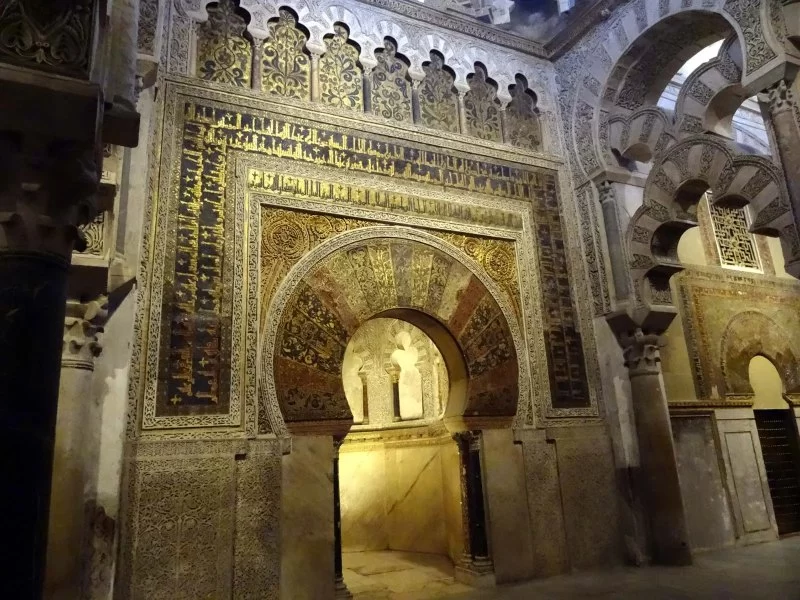
- 1 - The Historical and Cultural Significance of Mosques
- 2 - The Appeal of Historic Mosques to Devout Muslims
- 3 - Why Historic Mosques Attract First-Time Travelers
- 4 - Top Historic Mosques to Visit Around the World
- 5 - Planning Your Visit to a Historic Mosque
1 - The Historical and Cultural Significance of Mosques
Historic mosques are not just places of worship; they are also cultural treasures that carry centuries of history, architectural beauty, and spiritual significance. For centuries, mosques have served as centers of community life and learning, playing a central role in the Islamic faith. Their intricate designs, historical contexts, and cultural relevance make them fascinating to both devout Muslims and those new to the world of Islam.
From the majestic Blue Mosque in Istanbul to the serene Al-Azhar Mosque in Cairo, historic mosques reflect the rich heritage and diverse traditions within the Islamic world. These mosques have witnessed pivotal moments in history, from the rise of Islamic empires to the spread of knowledge across continents. Whether in bustling cities or quiet rural settings, mosques continue to be symbols of faith, community, and beauty.
2 - The Appeal of Historic Mosques to Devout Muslims
For devout Muslims, visiting historic mosques is not only about appreciating their beauty but also about connecting to their faith. Many of these mosques are sites where significant religious events took place, where revered scholars taught, and where the architectural design reflects the deep spiritual significance of Islam.
2.1. A Spiritual Journey
For Muslims, a visit to a historic mosque is often a spiritual journey. Many of these mosques hold great importance in Islamic history, and worshipping in these sacred spaces can bring a sense of peace and reverence. The architecture, the call to prayer, and the rituals performed inside these mosques serve as a reminder of the divine, providing Muslims with an opportunity to reconnect with their spirituality.
2.2. Sites of Historical and Religious Significance
Many historic mosques are tied to key events in Islamic history. For example, the Masjid al-Haram in Mecca, home to the Kaaba, is one of the holiest sites for Muslims, drawing millions of pilgrims annually. For Muslims, visiting such mosques is more than just a sightseeing experience; it is an opportunity to deepen their connection to the history and practices of their faith.
3 - Why Historic Mosques Attract First-Time Travelers
While historic mosques are sacred to Muslims, they also attract a wide range of first-time travelers. The draw for non-Muslim visitors often lies in the architectural beauty, historical significance, and cultural depth these mosques offer. Here’s why they are so captivating to those who are new to visiting Islamic landmarks:
3.1. Architectural Marvels
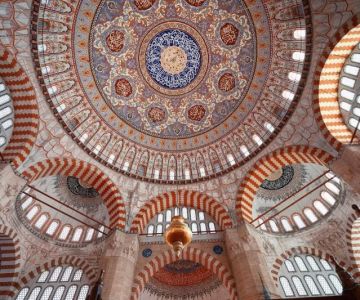
Historic mosques are known for their stunning architectural designs, often blending intricate geometric patterns, large courtyards, towering minarets, and beautifully crafted domes. These architectural masterpieces provide travelers with an opportunity to marvel at centuries-old craftsmanship. For example, the Sultan Ahmed Mosque (Blue Mosque) in Istanbul is renowned for its sweeping dome and its exquisite blue tiles, making it a favorite for visitors with an interest in architecture and design.
3.2. A Unique Cultural Experience
For many first-time travelers, visiting a historic mosque offers a chance to experience a different culture up close. These mosques are often situated in bustling urban centers, offering visitors a glimpse into local life, including the customs and rituals that take place within the mosque. For non-Muslim visitors, this is an opportunity to better understand Islam and its cultural influence, often leading to greater appreciation and respect for the faith.
3.3. A Sense of Tranquility
Visiting a mosque provides a unique sense of tranquility and peace. Whether you're walking through the gardens of the Sheikh Zayed Grand Mosque in Abu Dhabi or sitting quietly in the halls of the Al-Masjid an-Nabawi in Medina, mosques offer an atmosphere of serenity that can be deeply calming for travelers. This peaceful ambiance is one of the reasons mosques attract travelers seeking reflection, introspection, and connection to the spiritual atmosphere of the space.
4 - Top Historic Mosques to Visit Around the World
If you’re planning a trip to explore the cultural and spiritual heritage of historic mosques, here are some of the most iconic mosques around the world that offer a rich experience for visitors:
4.1. The Blue Mosque – Istanbul, Turkey
The Blue Mosque is one of the most famous mosques in the world, known for its striking blue tiles and grand architecture. It’s not only an important religious site but also a popular tourist attraction due to its historical significance and beautiful surroundings. The mosque is open to visitors outside of prayer times and offers a peaceful environment to learn about Islamic history.
4.2. Al-Masjid an-Nabawi – Medina, Saudi Arabia
Located in Medina, Saudi Arabia, Al-Masjid an-Nabawi is the second holiest mosque in Islam, built around the burial site of Prophet Muhammad. For Muslims, it’s a place of immense spiritual significance. For travelers, it offers a profound experience of Islamic culture and history.
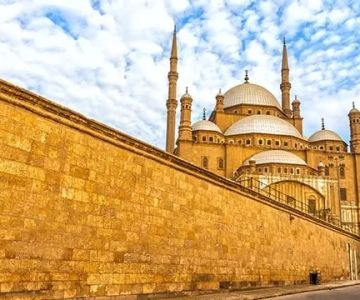
4.3. The Sultan Ahmed Mosque (Blue Mosque) – Cairo, Egypt
With its stunning blue interiors and grand domes, the Sultan Ahmed Mosque in Cairo is a marvel of Ottoman architecture. The mosque stands as one of Egypt’s most significant religious structures and attracts tourists and pilgrims alike who admire its beauty and historical importance.
5 - Planning Your Visit to a Historic Mosque
If you're planning to visit a historic mosque, it’s essential to be respectful of the cultural and religious practices in place. Here are a few tips to make the most of your visit:
5.1. Dress Modestly
When visiting a mosque, dress modestly. For men, this typically means long pants and a shirt with sleeves. For women, it may include covering your head with a scarf and wearing long sleeves and pants or skirts. Each mosque has its own guidelines, so be sure to check in advance to ensure you're appropriately dressed.
5.2. Be Respectful of Prayer Times
Many mosques have strict prayer times, during which visitors may not be allowed to enter. Make sure to check the mosque’s visiting hours and avoid disturbing worshippers. You might also want to avoid visiting during religious holidays, as the mosques can get very busy.
5.3. Learn About the History
To fully appreciate the mosque you’re visiting, take the time to learn about its history and significance. Many mosques offer guided tours or have informational plaques that explain their cultural and architectural importance. You can also find books or resources online to prepare ahead of time.
If you’re looking to explore more historic mosques or need travel tips for your next adventure, visit UAK Travel for expert recommendations and guides that can enhance your journey.

 Expressionz KLCC by Wodages3.0 (171 reviews)
 Homestay RM97 Serdang UPM MAEPS Bukit Jalil0.0 (0 reviews)
 URUTAN & BEKAM (Kejora Wellness SPA)4.0 (35 reviews)
 D,pinggiran Gunung Tebu Bilik Penginapan0.0 (0 reviews)
 Rakit Temerloh Salleh3.0 (22 reviews)
 Beary Home Hostel0.0 (0 reviews)
 Exploring the Unique Designs of Mosques in Malaysia: A Journey Through Islamic Architecture
 Exploring the Architectural Beauty of Mosques in Malaysia: A Journey Through Islamic Architecture
 How to Get to the Famous Mosques in Kuala Lumpur by Public Transport: A Complete Travel Guide
 Visiting Malaysia’s Most Famous Mosques During Eid: A Unique Cultural Experience
 Top Mosques to Visit During Ramadan in Malaysia: A Traveler's Guide
 Discover the History of Masjid Titiwangsa in Kuala Lumpur: A Cultural and Architectural Gem