

- 1. How Climate and Landscape Influence Mosque Architecture in Malaysia
- 2. Coastal Mosques: Adapting to the Sea Breeze
- 3. Urban Mosques: A Blend of Tradition and Modernity
- 4. Village Mosques: Embracing Local Materials and Simple Designs
- 5. Unique Examples of Mosque Architecture Across Malaysia
- 6. Explore More Mosque Architecture with UAK Travel
1. How Climate and Landscape Influence Mosque Architecture in Malaysia
Malaysia, with its rich cultural diversity and varied landscapes, boasts some of the most beautiful mosque architectures in the world. The climate and the environment play a significant role in shaping the design of mosques across the country. From the coastal regions to urban centers and rural villages, each mosque adapts to its surroundings, resulting in unique architectural expressions. This article explores how the climate and landscape influence mosque designs in Malaysia, highlighting the key differences between coastal, urban, and village mosques.
2. Coastal Mosques: Adapting to the Sea Breeze
Coastal regions of Malaysia face unique challenges when it comes to mosque architecture. The hot, humid climate, combined with the salt-laden air from the sea, requires special architectural features that offer protection and comfort. Coastal mosques, like the famous Masjid Terapung in Terengganu, are designed with natural ventilation in mind. The building materials are selected to withstand the corrosive effects of the salty air, and open spaces are incorporated to allow the sea breeze to cool the interior.
2.1 Architectural Features of Coastal Mosques
In coastal mosque designs, large, open courtyards are a common feature, allowing air to circulate freely, keeping the interior cool. Mosques in these areas are often elevated on stilts to protect them from flooding and rising tides. The use of reflective, light-colored materials helps reduce heat absorption, while domes and minarets are designed to be tall and slender, allowing air to flow through the structure. These adaptations not only enhance the comfort of worshippers but also make the mosque a stunning feature against the backdrop of the coastline.
3. Urban Mosques: A Blend of Tradition and Modernity
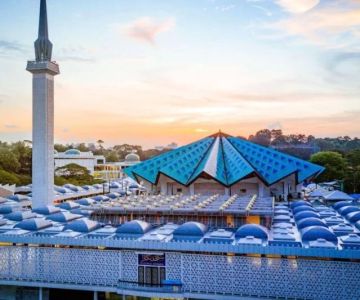
In Malaysia's bustling cities, mosque architecture often blends traditional elements with modern designs. Urban mosques, such as the National Mosque of Malaysia (Masjid Negara) in Kuala Lumpur, feature sleek lines and contemporary materials, yet maintain important Islamic architectural elements like large prayer halls and minarets. The design of urban mosques reflects the need to accommodate large populations while maintaining cultural and religious significance.
3.1 Modern Influences in Urban Mosque Architecture
Urban mosques often face space limitations due to the high population density in cities. As a result, architects incorporate creative solutions such as multi-story buildings or underground prayer halls to optimize space. Glass facades are frequently used to create a sense of openness, while intricate geometric patterns and calligraphy are incorporated into the design to preserve the spiritual essence of the mosque. These mosques also incorporate modern technology, such as sound systems and air conditioning, to ensure a comfortable worship environment for large numbers of visitors.
4. Village Mosques: Embracing Local Materials and Simple Designs
In contrast to the grand urban mosques, village mosques in Malaysia are often characterized by simpler designs that embrace local materials and the natural environment. These mosques are generally smaller and are built using wood, bamboo, and other locally sourced materials. The architecture reflects the intimate, community-oriented nature of rural life, with modest prayer spaces and open-air courtyards that encourage a sense of connection with nature.
4.1 Design Elements of Village Mosques
Village mosques often incorporate traditional Malay architectural elements, such as sloping roofs to reduce heat and large overhanging eaves to provide shade. These structures are designed to blend seamlessly with the surrounding natural landscape, and their simplicity emphasizes function over form. The use of sustainable materials not only helps to keep costs down but also ensures that the mosque blends in with the rural setting, offering a peaceful and serene environment for worship.
5. Unique Examples of Mosque Architecture Across Malaysia
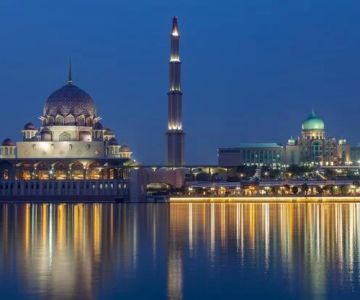
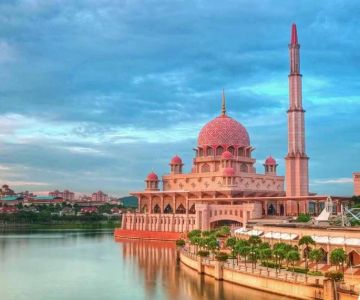
Malaysia is home to several exceptional mosques that showcase how the climate and landscape have influenced their design. These mosques stand as a testament to the creativity and adaptability of Malaysian architects in response to local conditions.
5.1 Masjid Terapung, Terengganu
Located by the sea, the Masjid Terapung (Floating Mosque) in Terengganu is an iconic example of how coastal architecture adapts to environmental challenges. Built on stilts, this mosque appears to float on the water, providing breathtaking views of the coastline. The mosque is designed to blend with the natural surroundings, using modern materials that withstand the harsh coastal climate.
5.2 Masjid Negara, Kuala Lumpur
The Masjid Negara in Kuala Lumpur is one of the most significant urban mosques in Malaysia. Its design combines Islamic architectural traditions with modern elements, such as its unique umbrella-shaped roof, which opens up during the day to allow natural light to flood the prayer hall. The mosque is a symbol of Malaysia’s commitment to preserving its cultural heritage while embracing modernity.
5.3 Masjid Jamek, Kuala Lumpur
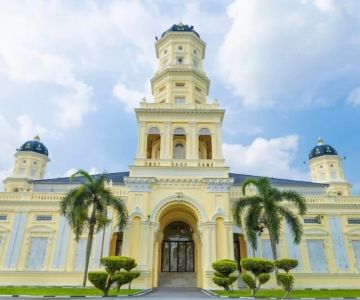
Located at the confluence of the Klang and Gombak rivers, Masjid Jamek is one of the oldest mosques in Malaysia. The mosque’s design reflects a blend of Moorish and Mogul architectural styles, and it is a prime example of how urban mosques can incorporate cultural influences while adapting to their environment.
6. Explore More Mosque Architecture with UAK Travel
If you're fascinated by the diverse mosque architecture across Malaysia, be sure to explore more with UAK Travel. Whether you’re planning a trip to the urban centers, coastal towns, or rural villages, UAK Travel offers a curated selection of tours that will take you to the most iconic and architecturally significant mosques in the country. With UAK Travel, you can experience the beauty of Malaysia’s mosques firsthand and learn about their cultural and environmental influences.
 My mechanic store garage5.0 (1 reviews)
 Homestay Tok Wan5.0 (2 reviews)
 Laman Perdana4.0 (220 reviews)
 O My Dog Pet House3.0 (8 reviews)
 Potong Rumput Klang Meru. setia alam3.0 (6 reviews)
 Al-Wahid Therapy (Arked Mara Bidor)5.0 (7 reviews)
 Exploring the Unique Designs of Mosques in Malaysia: A Journey Through Islamic Architecture
 Exploring the Architectural Beauty of Mosques in Malaysia: A Journey Through Islamic Architecture
 How to Get to the Famous Mosques in Kuala Lumpur by Public Transport: A Complete Travel Guide
 Visiting Malaysia’s Most Famous Mosques During Eid: A Unique Cultural Experience
 Top Mosques to Visit During Ramadan in Malaysia: A Traveler's Guide
 Discover the History of Masjid Titiwangsa in Kuala Lumpur: A Cultural and Architectural Gem