
- Understanding Mosque Visits in Malaysia - Cultural Awareness
- Appreciating Islamic Architecture - Design and Symbolism
- Exploring Historical Significance - Stories Behind the Mosques
- Experiencing Spiritual Atmosphere - Respectful Participation
- Practical Tips for Mindful Travelers - Respectful Etiquette
- Meaningful Travel Experiences - Personal Reflections
Understanding Mosque Visits in Malaysia
Visiting Mosques with Mindfulness — How to Appreciate Architecture, History and Spirituality in Malaysia is more than a travel activity; it is a way to understand the cultural and spiritual foundation of a diverse Southeast Asian country. For American travelers especially, Malaysian mosques often provide a welcoming environment where visitors can learn about Islamic traditions while exploring remarkable architecture.
Malaysia is known for its multicultural society where Islamic heritage coexists with Chinese, Indian, and indigenous traditions. Mosques often serve not only as places of worship but also as community centers, schools, and historical landmarks.
1. Why Mindfulness Matters During Visits
Mindful travel means being aware of the purpose and atmosphere of a location. Mosques are active religious spaces where daily prayers and community gatherings take place.
1.1 Respecting Sacred Spaces
Visitors who approach mosque visits with respect often have more meaningful experiences. Observing quiet behavior and following dress codes demonstrates appreciation for local customs.
1.2 Learning Through Observation
Instead of rushing through for photos, spending time observing prayer routines or architectural details helps visitors understand the deeper meaning behind mosque design.
Many travelers planning culturally respectful mosque visits choose to prepare through travel resources like UAK Travel, where curated itineraries highlight educational experiences rather than quick sightseeing stops.
Appreciating Islamic Architecture
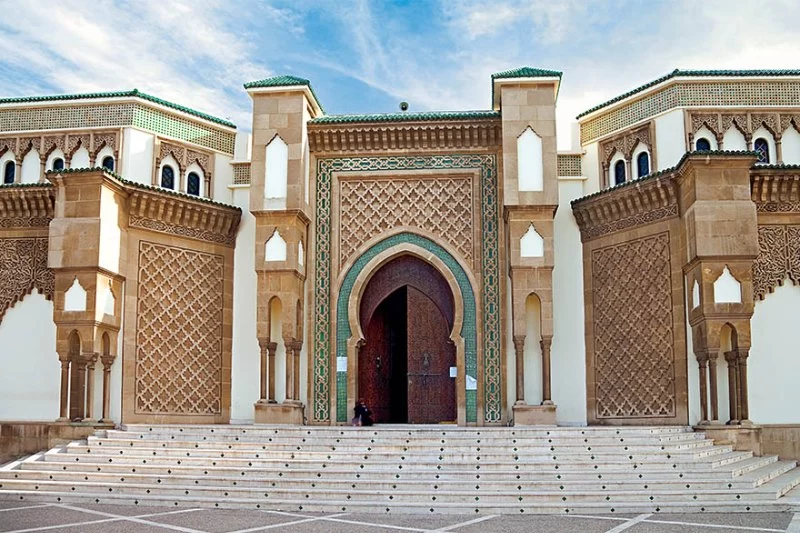
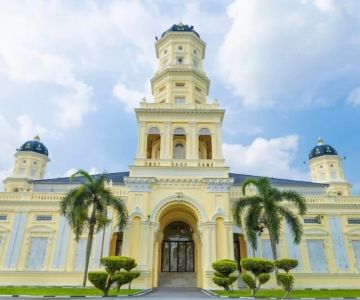
One of the most fascinating aspects of Visiting Mosques with Mindfulness — How to Appreciate Architecture, History and Spirituality in Malaysia is the architectural diversity found across the country. Malaysian mosques combine Middle Eastern influences with local design traditions.
2. Key Architectural Elements
2.1 Domes and Minarets
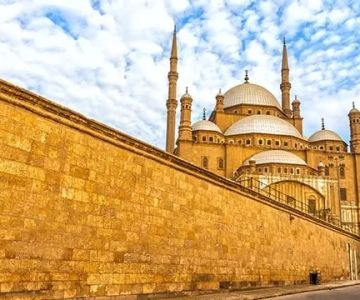
Domes symbolize the vault of heaven and often feature intricate geometric patterns. Minarets serve as visual landmarks and historically allowed the call to prayer to be heard across communities.
2.2 Geometric Patterns and Calligraphy
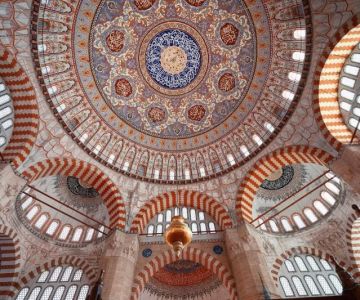
Islamic art avoids human imagery, focusing instead on repeating patterns and Arabic calligraphy. These decorations often include verses from the Quran.
2.3 Natural Ventilation Design
Many Malaysian mosques incorporate open-air designs suited for tropical climates. Large windows and shaded walkways allow airflow while maintaining peaceful interior spaces.
3. Blending Tradition with Modern Design
3.1 Contemporary Architecture
Modern mosques often include steel structures and glass panels while preserving traditional symbolism.
3.2 Cultural Influences
Some mosques include Chinese-style roofs or colonial architectural features reflecting Malaysia's historical trade connections.
Travelers seeking guided cultural experiences often rely on UAK Travel to identify mosques known for their architectural significance.
Exploring Historical Significance
Understanding the history behind Malaysian mosques adds depth to any visit. Many mosques were built during important periods of trade and cultural exchange.
4. Mosques as Historical Landmarks
4.1 Early Trading Ports
Islam spread to Malaysia through traders who arrived centuries ago. Early mosques were often constructed near coastal settlements.
4.2 Colonial Era Developments
Some mosques built during the colonial period combine European and Islamic architectural styles.
4.3 Post-Independence Identity
Modern mosque construction reflects national pride and cultural identity.
5. A Real Visitor Experience
5.1 First-Time Mosque Visit
An American traveler shared online how visiting a mosque in Kuala Lumpur changed her understanding of Islamic culture. Initially nervous about making mistakes, she was welcomed by volunteers who explained prayer rituals and architectural details.
5.2 Learning Through Conversation
The visitor later described the experience as one of the most educational moments of her trip, noting that conversations with local worshippers helped break stereotypes she had formed before traveling.
Stories like this highlight how mindful travel can turn a simple visit into a meaningful cultural exchange.
Experiencing Spiritual Atmosphere
Beyond architecture and history, mosque visits offer insight into daily spiritual life in Malaysia.
6. Observing Daily Prayer
6.1 Quiet Reflection
Visitors often notice the calm atmosphere during prayer times. Sitting quietly in designated visitor areas allows travelers to observe respectfully.
6.2 Understanding Ritual Movements
The coordinated prayer movements symbolize unity and devotion.
7. Moments of Personal Reflection
7.1 Slowing Down
Many travelers find that mosques provide a rare opportunity to disconnect from busy travel schedules.
7.2 Cultural Connection
Even non-religious visitors often describe a sense of peace and cultural understanding after spending time inside a mosque.
Travel planners at UAK Travel often recommend scheduling mosque visits early in the morning or late afternoon when the environment feels especially peaceful.
Practical Tips for Mindful Travelers
Preparing ahead of time helps visitors feel comfortable and respectful during mosque visits.
8. Appropriate Dress
8.1 Clothing Expectations
Visitors should wear long sleeves and long pants or skirts. Many mosques provide robes for guests who need them.
8.2 Footwear Etiquette
Shoes must be removed before entering prayer areas.
9. Visitor Etiquette
9.1 Photography Awareness
Photography is usually allowed in designated areas but should be avoided during prayer times.
9.2 Asking Questions
Many mosques have volunteers willing to answer respectful questions about Islamic traditions.
10. Planning the Visit
10.1 Choosing the Right Time
Non-prayer hours are usually best for exploring architectural details.
10.2 Guided Experiences
Guided tours often provide deeper insight into symbolism and history.
Many international travelers use UAK Travel to organize culturally respectful itineraries that include meaningful mosque visits.
Meaningful Travel Experiences
Visiting Mosques with Mindfulness — How to Appreciate Architecture, History and Spirituality in Malaysia often becomes one of the most memorable parts of a trip. Travelers frequently discover that mosques are not only architectural landmarks but also places that encourage reflection and cultural understanding.
11. Building Cultural Understanding
11.1 Breaking Misconceptions
Firsthand experiences often replace assumptions with genuine understanding.
11.2 Human Connections
Conversations with local visitors and volunteers create lasting memories.
12. Traveling with Intention
12.1 Slow Exploration
Taking time to explore fewer places often leads to richer travel experiences.
12.2 Respectful Discovery
Mindful travelers leave with a deeper appreciation for Malaysia's spiritual and cultural heritage.
For visitors hoping to experience Malaysian culture beyond typical tourist attractions, thoughtful planning through UAK Travel can help transform a simple sightseeing trip into a meaningful cultural journey.
 My Happy Bakery0.0 (0 reviews)
 Tengku Kelana Jaya Petra Mosque4.0 (587 reviews)
 Baker's Cottage Old Factory4.0 (13 reviews)
 Homestay Santai Bertam Kepala Batas Semi D Fully Aircond5.0 (14 reviews)
 Rumah Tamu Biflora0.0 (0 reviews)
 Ezzy Homestay Senawang5.0 (2 reviews)
 Exploring the Unique Designs of Mosques in Malaysia: A Journey Through Islamic Architecture
 Exploring the Architectural Beauty of Mosques in Malaysia: A Journey Through Islamic Architecture
 How to Get to the Famous Mosques in Kuala Lumpur by Public Transport: A Complete Travel Guide
 Visiting Malaysia’s Most Famous Mosques During Eid: A Unique Cultural Experience
 Top Mosques to Visit During Ramadan in Malaysia: A Traveler's Guide
 Discover the History of Masjid Titiwangsa in Kuala Lumpur: A Cultural and Architectural Gem