
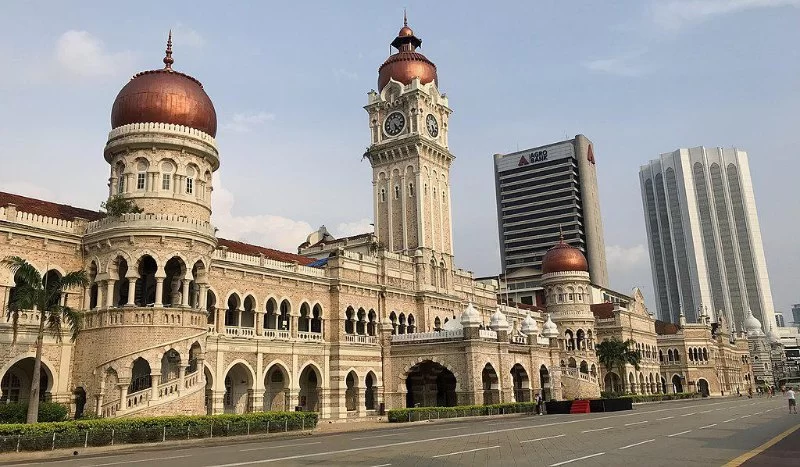
- Historic-Walk-Overview
- Malay-Sultanate-Era
- Colonial-Era-Mosques
- Modern-Mosque-Architecture
- Planning-The-Walking-Route
- Cultural-Insights-From-The-Journey
A Historic Walk: Malay Sultanate Era, Colonial Era and Modern Mosques in One Trip
Taking A Historic Walk: Malay Sultanate Era, Colonial Era and Modern Mosques in One Trip is one of the most meaningful cultural experiences I have ever had. What makes this journey special is not just the architecture, but the way centuries of history unfold step by step. Walking from one mosque to another reveals how Islamic culture adapted through the Malay Sultanate period, European colonial rule, and finally into the modern urban era.
This kind of walk appeals especially to American travelers who want to experience history in a tangible way rather than through museums alone. Every building along the route reflects political change, migration, trade, and cultural exchange. Instead of seeing isolated landmarks, the walk connects multiple eras into a continuous story.
When I first planned the route, I wanted something immersive rather than rushed sightseeing. The experience turned into a slow journey through time. If you want a carefully designed version of this route, UAK Travel offers curated walking experiences that help visitors understand the deeper context behind each stop.
1. Why This Walk Is Unique
1.1 Multiple Historical Periods in One Area
Few places allow travelers to observe three major historical periods within walking distance. The Malay Sultanate era represents the earliest organized Islamic communities in the region, while colonial mosques reflect global trade and European influence. Modern mosques show how architecture evolves while preserving religious traditions.
This layered history makes the journey feel like moving through a living timeline.
1.2 Cultural Continuity
Despite architectural differences, the spiritual purpose remains consistent. Each mosque still functions as a place of worship.
Seeing daily prayers across historic and modern spaces reveals continuity across generations.
2. Experiencing the Walk Firsthand
2.1 Walking Versus Touring by Vehicle
Walking allows you to notice details that would otherwise be missed. Street patterns, shop houses, and community spaces all contribute to the historical context.
Distances are manageable and suitable for travelers of different fitness levels.
2.2 Meeting Local Communities
One of the highlights was speaking with local shop owners who described how their families had lived in the area for generations.
These conversations added depth beyond guidebooks.
Malay Sultanate Era Mosques
The first section of A Historic Walk: Malay Sultanate Era, Colonial Era and Modern Mosques in One Trip focuses on early Islamic architecture influenced by Malay traditions.
1. Architectural Characteristics
1.1 Wooden and Early Masonry Structures
Early mosques were often constructed using local materials such as timber and clay tiles. Rooflines were layered and sloped to adapt to tropical climates.
These structures emphasize practicality and climate awareness.
1.2 Minimal Ornamentation
Decoration was typically modest. Instead of elaborate stone carvings, early mosques emphasized geometric balance and functional design.
The simplicity gives them a peaceful atmosphere.
2. Historical Context
2.1 Role in Trade Networks
Malay Sultanates thrived through maritime trade. Merchants from Arabia, India, and China influenced religious practices and architecture.
Mosques often served as gathering places for traders.
2.2 Community Centers
Beyond religious use, mosques functioned as community hubs where disputes were resolved and education took place.
This social role continues today.
Colonial Era Mosques
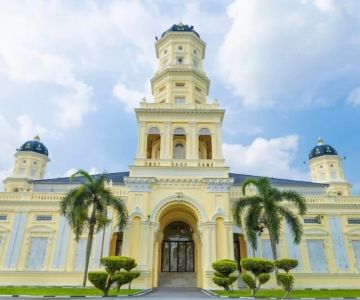
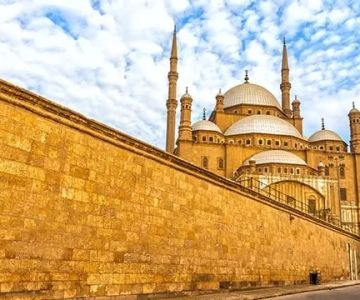
The colonial period adds another layer to A Historic Walk: Malay Sultanate Era, Colonial Era and Modern Mosques in One Trip. These mosques reflect interaction between local traditions and European architectural styles.
1. Architectural Blending
1.1 European Structural Influence
Colonial mosques often feature arches, domes, and symmetrical facades influenced by European engineering techniques.
These features increased structural durability.
1.2 Islamic Decorative Elements
Despite European influence, decorative calligraphy and prayer halls remain distinctly Islamic.
The blend creates unique visual identities.
2. Social Transformation
2.1 Growing Urban Communities
Colonial trade expanded cities rapidly. Mosques became anchors for immigrant communities.
Different cultural groups shared these spaces.
2.2 Education and Reform
Many colonial-era mosques supported religious schools.
These institutions helped preserve traditions.
Modern Mosque Architecture
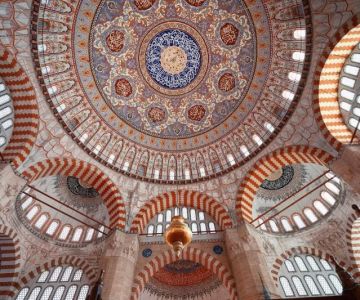
The final stage of A Historic Walk: Malay Sultanate Era, Colonial Era and Modern Mosques in One Trip reveals how contemporary architecture interprets tradition.
1. Design Innovations
1.1 Modern Materials
Steel, glass, and reinforced concrete allow more ambitious designs.
Large prayer halls accommodate growing populations.
1.2 Climate Technology
Modern mosques incorporate energy-efficient cooling and ventilation.
These systems improve comfort.
2. Cultural Symbolism
2.1 National Identity
Modern mosques often represent national identity as much as religious tradition.
Designs reflect contemporary culture.
2.2 Community Programs
Many modern mosques include classrooms and event spaces.
They serve broader community needs.
Planning The Walking Route
Successfully completing A Historic Walk: Malay Sultanate Era, Colonial Era and Modern Mosques in One Trip requires thoughtful preparation.
1. Timing Your Visit
1.1 Morning Walks
Early morning offers cooler temperatures and softer lighting.
Photography conditions are ideal.
1.2 Late Afternoon Walks
Evening light enhances architectural details.
Prayer calls create memorable atmosphere.
2. Practical Considerations
2.1 Dress Code
Visitors should wear modest clothing suitable for religious spaces.
Respectful attire enhances the experience.
2.2 Walking Distance
The route typically spans a few miles.
Comfortable shoes are essential.
Cultural Insights From The Journey
Walking A Historic Walk: Malay Sultanate Era, Colonial Era and Modern Mosques in One Trip taught me that architecture reflects history more vividly than textbooks ever could.
1. Observing Daily Life
1.1 Local Rituals
Watching daily prayers in different mosques reveals shared traditions across centuries.
The experience feels deeply authentic.
1.2 Street Culture
Markets and cafes around the mosques provide cultural context.
Food and conversation enrich the journey.
2. Personal Reflection
2.1 Understanding Cultural Evolution
The walk made me realize how architecture adapts without losing identity.
Each era builds on the previous one.
2.2 Meaningful Travel Experiences
Instead of rushing between attractions, walking slowly allowed deeper appreciation.
Travel becomes more meaningful when history unfolds step by step.
For travelers interested in cultural immersion, structured experiences designed by UAK Travel can transform this historic route into a deeply educational journey that connects architecture, faith, and everyday life.
 Salam 2 Homestay Penang4.0 (30 reviews)
 LAREINE SKIN AND BODY WELLNESS4.0 (38 reviews)
![SURAU AN-NUR [Apt.Tmn.Cahaya]](https://img.uaktravel.com/d32/2506/1704287828927429_150x150.webp) SURAU AN-NUR [Apt.Tmn.Cahaya]5.0 (1 reviews)
SURAU AN-NUR [Apt.Tmn.Cahaya]5.0 (1 reviews) RUMAH JAHARA5.0 (18 reviews)
 San Francisco Coffee Menara Keck Seng4.0 (13 reviews)
 SEMERAH ENTERPRISE SDN BHD4.0 (9 reviews)
 Exploring the Unique Designs of Mosques in Malaysia: A Journey Through Islamic Architecture
 Exploring the Architectural Beauty of Mosques in Malaysia: A Journey Through Islamic Architecture
 How to Get to the Famous Mosques in Kuala Lumpur by Public Transport: A Complete Travel Guide
 Visiting Malaysia’s Most Famous Mosques During Eid: A Unique Cultural Experience
 Top Mosques to Visit During Ramadan in Malaysia: A Traveler's Guide
 Discover the History of Masjid Titiwangsa in Kuala Lumpur: A Cultural and Architectural Gem