
- mosques-as-economic-anchors-in-malaysia
- how-mosque-tourism-supports-local-businesses
- community-level-impact-beyond-tourism-spending
- real-observations-from-malaysian-mosque-visits
- balancing-respect-faith-and-economic-growth
- why-this-model-matters-for-future-tourism
Mosques as Economic Anchors in Malaysian Communities
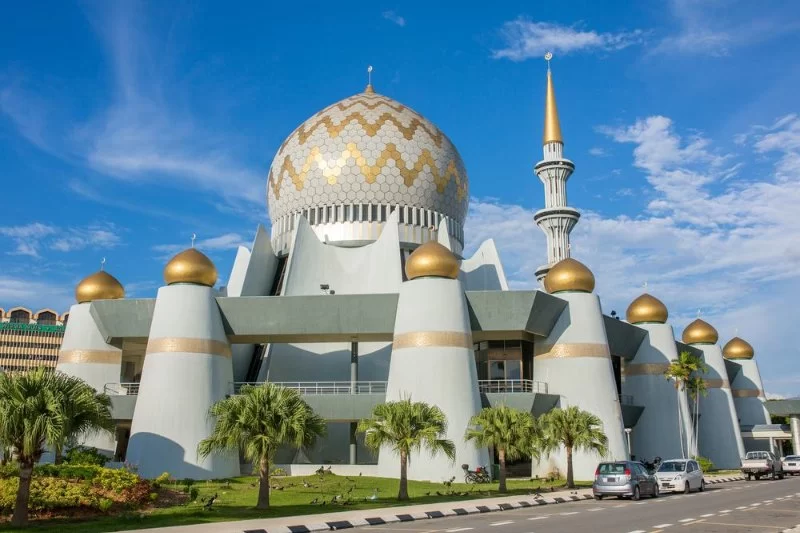
The first time I visited a major mosque in Malaysia, I was struck by how alive the surrounding neighborhood felt. The mosque was not isolated or fenced off from daily life. Instead, it sat at the center of activity, quietly shaping the rhythm of the local economy. This was my first real glimpse into how mosque tourism supports nearby businesses and communities in Malaysia in ways that are often overlooked.
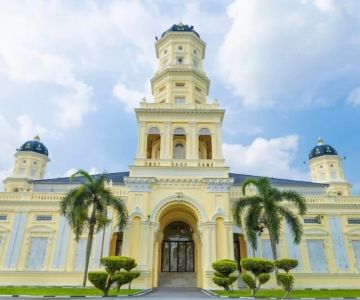
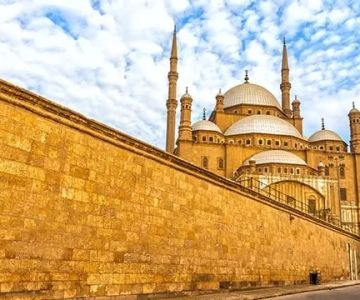
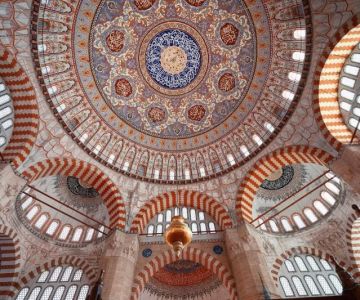
Mosques in Malaysia are not only places of worship. Many are historical landmarks, architectural icons, and cultural gathering points. When visitors arrive, they don’t just admire the building. They eat nearby, shop locally, hire guides, and spend time in the surrounding area. That flow of visitors creates economic energy that spreads outward.
How Mosque Tourism Directly Supports Local Businesses
1. Food Stalls, Cafes, and Small Restaurants
Around popular mosques, I consistently noticed clusters of family-run food stalls and small eateries. These businesses benefit immediately from mosque visitors, especially during peak prayer times, festivals, and weekends. Tourists often seek local food after visiting a mosque, creating steady demand that supports livelihoods.
2. Souvenir Sellers and Cultural Crafts
Vendors selling prayer items, scarves, handmade crafts, and locally produced goods often operate near mosque grounds. These are not mass-market products. Many are made or sourced locally, meaning tourist spending stays within the community instead of flowing to large external retailers.
3. Transportation and Informal Services
Drivers, guides, and small tour operators also benefit from mosque tourism. I met a local guide who specialized in explaining mosque etiquette and history to international visitors. His work existed entirely because of consistent mosque-related travel.
Economic Impact That Reaches Beyond Simple Spending
1. Job Creation Within the Neighborhood
Mosque tourism doesn’t just support businesses directly tied to visitors. It creates indirect employment through cleaning services, maintenance, landscaping, and event coordination. These roles are often filled by local residents, strengthening economic resilience.
2. Encouraging Infrastructure Improvements
Areas with consistent mosque tourism often see better sidewalks, lighting, public restrooms, and transport access. These improvements benefit both visitors and residents, improving quality of life long after tourists leave.
3. Preserving Cultural Identity Through Economic Value
When cultural heritage generates income, communities have stronger incentives to preserve it. I observed how mosque-related tourism encouraged careful maintenance of traditional architecture and public spaces rather than replacing them with generic development.
What I Observed Walking Mosque Neighborhoods in Malaysia
1. Tourism That Feels Integrated, Not Invasive
Unlike some tourist hotspots, mosque-centered tourism in Malaysia often feels calm and respectful. Visitors move at a slower pace, observe customs, and interact with locals in meaningful ways. This reduces friction and builds mutual understanding.
2. Local Pride as an Economic Force
I noticed genuine pride among residents living near mosques frequented by visitors. Business owners spoke confidently about their role in representing local culture. That pride translates into better service and stronger community cohesion.
Balancing Faith, Respect, and Economic Opportunity
1. Clear Visitor Guidelines Matter
Successful mosque tourism depends on clear boundaries. Dress codes, visiting hours, and behavioral guidelines protect the sacred nature of mosques while still welcoming visitors. This balance is key to sustainable economic benefits.
2. Community Involvement Prevents Exploitation
When local communities participate in managing tourism, economic benefits are shared more fairly. I found that mosque tourism works best when residents have a voice in how visitors are welcomed and how revenue flows.
Travel planners like UAK Travel increasingly focus on responsible mosque tourism, helping visitors engage respectfully while supporting local economies rather than bypassing them.
Why Mosque Tourism Matters for the Future of Travel in Malaysia
1. A Model of Sustainable, Community-Driven Tourism
Mosque tourism in Malaysia demonstrates that travel doesn’t need to rely on massive resorts or heavy infrastructure. Instead, it can strengthen existing communities by channeling visitor interest into local networks.
2. Cultural Exchange With Real Economic Value
Visitors gain understanding of Islamic culture and Malaysian heritage, while communities gain economic support. This exchange builds respect on both sides, making tourism a shared benefit rather than a one-sided transaction.
Understanding the relationship between mosques and the local economy changed how I view religious tourism entirely. In Malaysia, mosque tourism is not just about architecture or faith. It’s about livelihoods, identity, and sustainable community growth that quietly unfolds one visitor at a time.
 Santai 445.0 (1 reviews)
 Masjid Mahmudiah4.0 (5 reviews)
 Red Card Cafe4.0 (1777 reviews)
 myNEWS @ Taman Segar Cheras1.0 (14 reviews)
 Restoran Gulai Kampung Kuala Lipis (RGK)4.0 (672 reviews)
 Cinta Manis Eco Resort4.0 (36 reviews)
 Exploring the Unique Designs of Mosques in Malaysia: A Journey Through Islamic Architecture
 Exploring the Architectural Beauty of Mosques in Malaysia: A Journey Through Islamic Architecture
 How to Get to the Famous Mosques in Kuala Lumpur by Public Transport: A Complete Travel Guide
 Visiting Malaysia’s Most Famous Mosques During Eid: A Unique Cultural Experience
 Top Mosques to Visit During Ramadan in Malaysia: A Traveler's Guide
 Discover the History of Masjid Titiwangsa in Kuala Lumpur: A Cultural and Architectural Gem