
- #architecture-tour-traditional-malay-mosques-and-modern-concrete-designs
- #cultural-roots-of-traditional-malay-mosque-architecture
- #materials-symbolism-and-spatial-experience
- #rise-of-modern-concrete-mosques-in-urban-asia
- #case-studies-contrasting-old-and-new-mosque-designs
- #how-travelers-experience-sacred-architecture-today
- #planning-an-architecture-focused-journey
An Architecture Tour Through Faith, Culture, and Change
An architecture tour comparing traditional Malay mosque styles to modern concrete mosques offers more than visual contrast. It reveals how communities express faith through materials, form, and space across generations. For travelers from the United States, this comparison provides a deeper understanding of how Islamic architecture adapts to climate, technology, and social change while maintaining spiritual meaning.
Walking from a timber-built village mosque into a bold concrete structure in a modern city can feel like stepping across centuries within minutes. Each building tells a story, not just of design, but of the people who built and use it.
The Cultural Foundations of Traditional Malay Mosques
Traditional Malay mosques developed long before concrete and steel were common. Built primarily from wood, these mosques reflect local craftsmanship, tropical climate adaptation, and community-centered values. Multi-tiered pitched roofs replace large domes, allowing hot air to rise and escape naturally.
These structures often sit slightly elevated, protecting them from flooding while symbolizing spiritual elevation. Ornamentation is subtle, focusing on carved wood panels and calligraphy rather than grand scale. The design invites calm and humility, aligning with the surrounding landscape rather than dominating it.
How Materials Shape Meaning and Experience
Wood in traditional mosques carries warmth and familiarity. It ages alongside the community, gaining character over time. The absence of heavy walls allows natural light and airflow to define the prayer space, creating an intimate connection between worshippers and their environment.
This architectural approach reflects a worldview where spirituality is integrated into daily life. Many locals describe these mosques as extensions of their homes, places where generations have gathered for prayer, teaching, and social support.
The Emergence of Modern Concrete Mosques
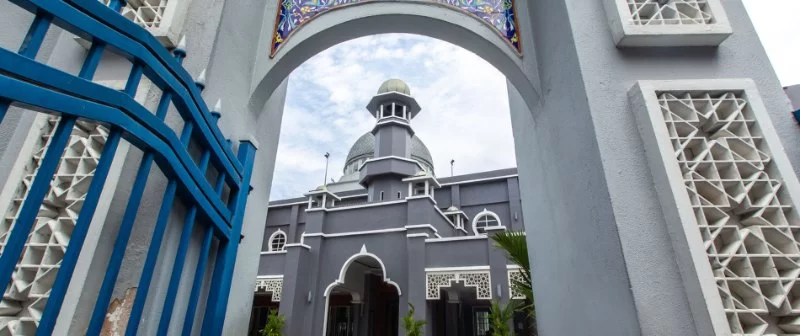
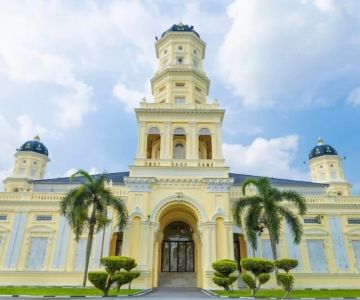
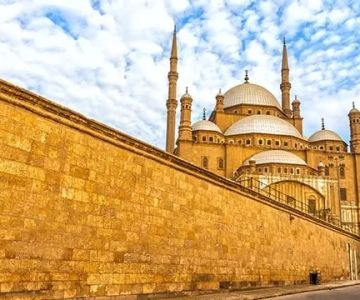
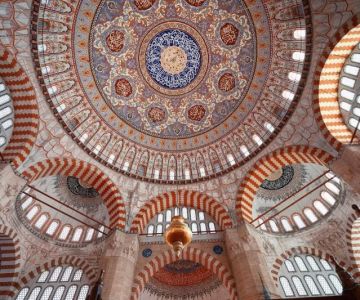
As cities expanded and populations grew, mosque architecture evolved. Modern concrete mosques emerged to accommodate larger congregations and urban constraints. Reinforced concrete allows for wide, column-free interiors, dramatic domes, and towering minarets that define city skylines.
These mosques often incorporate minimalist aesthetics, geometric patterns, and advanced engineering. Climate control systems replace passive ventilation, and lighting is carefully designed to enhance both functionality and symbolism.
Real Examples That Highlight Architectural Contrast
One well-known comparison often discussed among architecture enthusiasts involves a historic wooden mosque in rural Malaysia and a nearby metropolitan concrete mosque built decades later. Visitors frequently note how the older structure feels quieter and more personal, while the modern mosque inspires awe through scale and symmetry.
Social media has amplified this contrast, with travelers sharing side-by-side photos that spark conversations about preservation versus progress. These discussions highlight that modern design does not replace tradition, but adds another chapter to architectural storytelling.
What Travelers Take Away From These Spaces
For many travelers, the emotional response differs between styles. Traditional mosques often evoke reflection and closeness, while modern concrete mosques impress with grandeur and innovation. Experiencing both deepens appreciation for how faith adapts without losing its core purpose.
Understanding these differences also fosters cultural respect. Architecture becomes a bridge, helping visitors interpret values, history, and identity through physical space.
Planning a Meaningful Architecture Tour
An architecture tour is most rewarding when guided by context and local insight. Platforms like UAK Travel help travelers discover destinations, guides, and experiences that highlight both traditional and modern mosque architecture in a respectful and informed way.
By thoughtfully planning visits, travelers gain more than photos. They gain perspective on how design, belief, and community evolve together across time and geography.
 Surau Pejabat Daerah dan Tanah Lipis0.0 (0 reviews)
 Azmi & Faizah Kg Padang Tok Mat0.0 (0 reviews)
 Carro (Formerly myTukar) Cheras Sentral Mall - Inspection Centre3.0 (123 reviews)
 Teratak AA0.0 (0 reviews)
 Citarasa Depan Padang4.0 (2 reviews)
 Hotel Sri Bintang3.0 (440 reviews)
 Exploring the Unique Designs of Mosques in Malaysia: A Journey Through Islamic Architecture
 Exploring the Architectural Beauty of Mosques in Malaysia: A Journey Through Islamic Architecture
 How to Get to the Famous Mosques in Kuala Lumpur by Public Transport: A Complete Travel Guide
 Visiting Malaysia’s Most Famous Mosques During Eid: A Unique Cultural Experience
 Top Mosques to Visit During Ramadan in Malaysia: A Traveler's Guide
 Discover the History of Masjid Titiwangsa in Kuala Lumpur: A Cultural and Architectural Gem