

- The Cultural Significance of Mosques in Malaysia
- Exploring Malaysian Architecture Through Mosques
- Notable Mosques to Visit in Malaysia
- How Mosque Visits Enhance Understanding of Local History
The Cultural Significance of Mosques in Malaysia
As someone who’s traveled extensively across Malaysia, I’ve had the privilege of visiting many of the country’s most stunning mosques. These places of worship are not just religious sites; they are rich in history, culture, and architecture. For anyone seeking a deeper understanding of Malaysia’s heritage, visiting a mosque is one of the best ways to experience the country’s multifaceted identity.
In Malaysia, mosques play an integral role in the community. They are hubs of social interaction, learning, and religious practice. But beyond their spiritual function, mosques also reflect the country’s diverse cultural influences. The design of mosques in Malaysia often blends Islamic, Malay, and colonial elements, creating unique and visually striking structures. By visiting these mosques, visitors like myself can gain insight into the country’s religious traditions, historical evolution, and the melding of various cultural influences over the centuries.
Exploring Malaysian Architecture Through Mosques
The architectural beauty of mosques in Malaysia is something that never ceases to amaze me. The intricate designs, stunning domes, minarets, and courtyards are not just visually captivating—they also tell the story of Malaysia’s evolution as a melting pot of cultures. As a lover of both history and architecture, I’ve spent hours marveling at the construction details, the symbolism behind the designs, and the blend of traditional and modern styles.
Many mosques in Malaysia are designed with Islamic principles in mind, featuring elements like large courtyards, high ceilings, and large prayer halls that accommodate large congregations. However, they also integrate local architectural styles. For example, the Masjid Jamek in Kuala Lumpur combines Moorish, Islamic, and colonial influences, making it an architectural masterpiece. On the other hand, the Sultan Salahuddin Abdul Aziz Mosque in Shah Alam is known for its blue dome and modern architectural style, which stands out as a symbol of Malaysia’s progress and innovation.
Visiting these mosques allows one to witness the beauty of traditional Islamic design combined with Malaysia’s unique local elements. Each mosque tells a different story, and I’ve often found that these architectural marvels provide a deeper understanding of the region’s cultural development and religious significance.
Notable Mosques to Visit in Malaysia
During my travels across Malaysia, I’ve had the pleasure of visiting some truly spectacular mosques that highlight the country’s diverse architectural landscape. Here are a few must-visit mosques that I recommend if you’re interested in exploring Malaysian history and architecture:
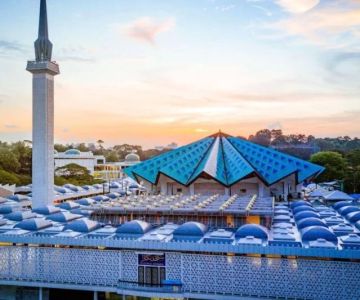
- Masjid Negara (National Mosque), Kuala Lumpur: Located in the heart of the capital, Masjid Negara is one of the largest mosques in Malaysia. Its modern architecture, with a unique star-shaped dome, blends beautifully with traditional Islamic design elements. The mosque is a symbol of Malaysia’s commitment to embracing both its Islamic heritage and contemporary ideals.
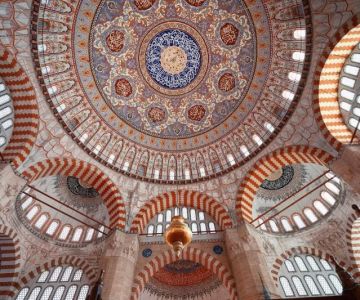
- Masjid Jamek, Kuala Lumpur: This mosque is one of the oldest in Kuala Lumpur and stands as an iconic example of Moorish-inspired Islamic architecture. Its red-and-white striped arches, minarets, and domes create a striking visual that captures the essence of the city’s colonial past and Islamic influence.
- Sultan Salahuddin Abdul Aziz Mosque, Shah Alam: Known for its impressive blue dome, this mosque is one of the largest in Southeast Asia. The mosque’s beautiful design and its peaceful setting make it a must-visit for anyone looking to explore the blend of Islamic architecture with modern elements in Malaysia.
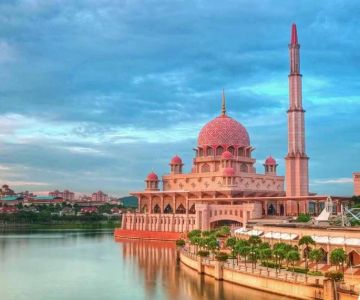
- Putra Mosque, Putrajaya: Situated by a serene lake, the Putra Mosque is known for its pink granite dome and stunning views. It is a perfect example of Malaysia’s contemporary Islamic architecture, reflecting the country’s forward-thinking approach while maintaining deep respect for its traditions.
How Mosque Visits Enhance Understanding of Local History
For me, visiting mosques in Malaysia has always been more than just an opportunity to admire beautiful buildings—it’s been a journey through history. Each mosque I’ve visited has provided a window into the cultural and historical contexts that shaped Malaysia into the country it is today. Here’s why mosque visits are such an enriching experience for understanding local history:
- Connection to Colonial History: Many mosques in Malaysia, especially those built during the colonial period, reflect the influence of British, Dutch, and other colonial powers. For instance, the Masjid Jamek in Kuala Lumpur was built in the early 20th century during British rule, and its design shows a mix of British colonial architecture with Islamic motifs. Visiting these mosques gives insight into how the country’s history is woven into its architectural landscape.
- Religious and Cultural Integration: The design and establishment of mosques in Malaysia are closely tied to the cultural evolution of the country. The blending of local Malay traditions with Islamic practices is evident in the intricate designs of the mosques. For example, the use of indigenous materials and local craftsmanship is common in many mosques, showcasing how the country’s diverse cultures and traditions have shaped religious practices.
- Symbol of Unity and Identity: Mosques in Malaysia are not only places of worship but also serve as symbols of unity. Many mosques are designed to bring people together, whether through large prayer halls or communal spaces. As I’ve visited different mosques, I’ve come to appreciate how they have historically served as places of community and social gathering, fostering unity among Malaysia’s diverse population.
If you’re interested in diving deeper into Malaysia’s rich history and architecture, I highly recommend exploring some of these mosques in person. A visit to these sacred sites will leave you with a deeper appreciation for the country’s cultural evolution and architectural prowess. For a more detailed travel guide and recommendations, you can visit UAK Travel for more information on the best places to visit in Malaysia.

 My Happy Bakery0.0 (0 reviews)
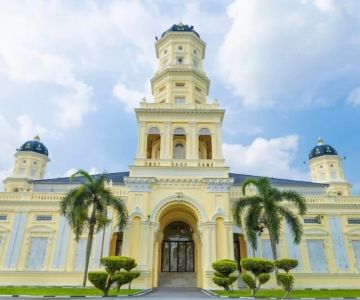
 Tengku Kelana Jaya Petra Mosque4.0 (587 reviews)
 Baker's Cottage Old Factory4.0 (13 reviews)
 Homestay Santai Bertam Kepala Batas Semi D Fully Aircond5.0 (14 reviews)
 Rumah Tamu Biflora0.0 (0 reviews)
 Ezzy Homestay Senawang5.0 (2 reviews)
 Exploring the Unique Designs of Mosques in Malaysia: A Journey Through Islamic Architecture
 Exploring the Architectural Beauty of Mosques in Malaysia: A Journey Through Islamic Architecture
 How to Get to the Famous Mosques in Kuala Lumpur by Public Transport: A Complete Travel Guide
 Visiting Malaysia’s Most Famous Mosques During Eid: A Unique Cultural Experience
 Top Mosques to Visit During Ramadan in Malaysia: A Traveler's Guide
 Discover the History of Masjid Titiwangsa in Kuala Lumpur: A Cultural and Architectural Gem