
- Introduction to Malaysia’s Historic Mosques
- The Art of Crafting Malaysia’s Iconic Mosques
- The Materials Behind the Magnificent Mosque Domes
- Case Studies: Iconic Mosques in Malaysia
- Cultural Significance of Mosque Architecture
Introduction to Malaysia’s Historic Mosques
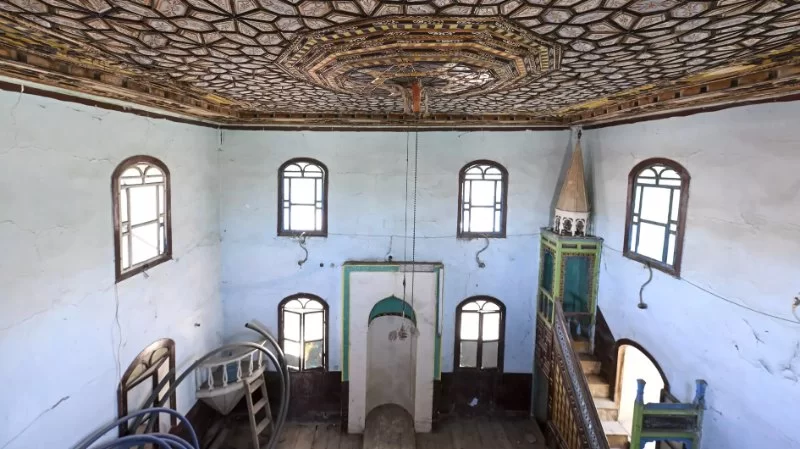
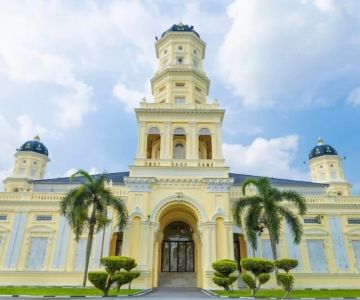
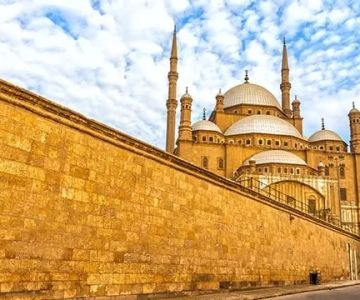
Malaysia is home to some of the most stunning mosques in Southeast Asia, with iconic domes, intricate designs, and rich cultural history. These mosques are not only places of worship but also architectural marvels that showcase the artistry and engineering skills of the country. The craftsmanship behind these structures is a testament to the region’s deep-rooted Islamic heritage and the blending of local traditions with global Islamic architectural influences. In this article, we explore the craftsmanship and materials that make Malaysia’s mosques stand out, with a special focus on their famous domes.
The Art of Crafting Malaysia’s Iconic Mosques
The creation of Malaysia’s mosques involves highly skilled craftsmanship. From intricate tile work to calligraphy and decorative elements, the attention to detail is astonishing. These mosques often feature a blend of traditional Islamic design elements with local Malaysian cultural motifs, reflecting the unique fusion of cultures in the country.
1. Traditional Islamic Influences
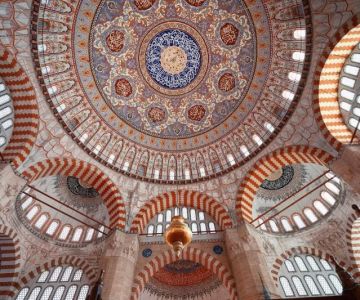
Islamic architecture is known for its distinct design elements such as arches, domes, minarets, and intricate geometric patterns. These features are common in Malaysian mosques and are often enhanced with decorative tiles and hand-painted calligraphy that reflect Islamic values. The craftsmanship is meticulously planned, with artisans spending months or even years on specific elements.
2. Local Craftsmanship and Techniques
While Islamic influences are evident, Malaysian mosques often incorporate local craftsmanship. Woodcarving, intricate stucco work, and local stone carving techniques play an important role in the construction of these buildings. The blending of these elements creates a unique architectural style that is distinctly Malaysian while remaining deeply rooted in Islamic tradition.
The Materials Behind the Magnificent Mosque Domes
The dome is one of the most important architectural features of a mosque. In Malaysia, the construction of these domes is a highly specialized process that involves using a variety of materials and techniques to ensure the structure is both functional and visually striking.
1. Traditional Building Materials
Historically, many mosques in Malaysia were built using locally sourced materials such as timber, stone, and clay. These materials are durable and have been used for centuries in traditional architecture. In the case of domes, the use of reinforced concrete and brick has become more common in modern mosque construction, offering better structural integrity and the ability to create larger and more intricate domes.
2. The Role of Marble and Tiles
Marble, which is both beautiful and durable, is often used in mosque flooring, columns, and decorative elements. Many mosques in Malaysia are known for their ornate tile work, which can be seen in the walls and floors of prayer halls. The tiles, often hand-painted or glazed, feature intricate Islamic geometric patterns and local motifs.
Case Studies: Iconic Mosques in Malaysia
Several mosques in Malaysia have become landmarks due to their stunning architecture and craftsmanship. Here are a few notable examples:
1. Sultan Abdul Samad Mosque (Kuala Lumpur)
One of the most iconic mosques in Malaysia, the Sultan Abdul Samad Mosque in Kuala Lumpur is a perfect example of the fusion of traditional Islamic design with local Malaysian elements. The mosque’s large dome is covered in blue tiles, which are a striking feature of its design. The use of marble for the columns and walls adds to the mosque's grandeur.
2. Putra Mosque (Putrajaya)
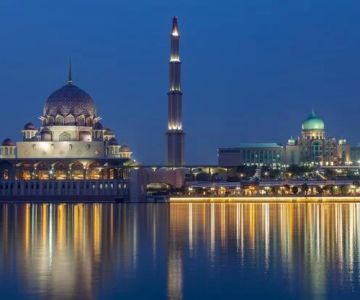
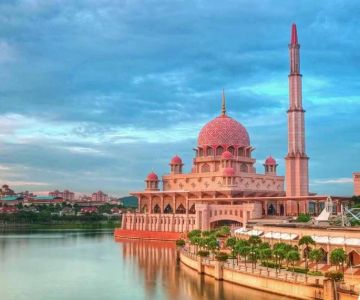
The Putra Mosque in Putrajaya is another stunning example of mosque craftsmanship. Its pink granite dome and intricate tile work are key features of the mosque’s design. The mosque is a prime example of how local materials, like granite, are used in combination with Islamic architecture to create a modern yet traditional structure.
3. National Mosque (Kuala Lumpur)
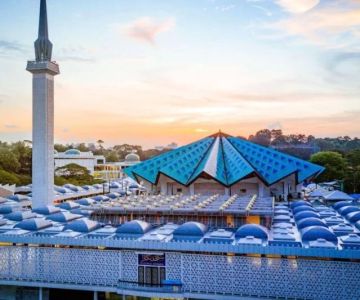
The National Mosque of Malaysia, also known as Masjid Negara, features a striking blue and green dome with 18 points, symbolizing the 13 states of Malaysia and the five pillars of Islam. Its minimalist design and use of traditional materials make it an architectural masterpiece that has stood the test of time.
Cultural Significance of Mosque Architecture
The design and construction of mosques in Malaysia are not just about aesthetics; they have deep cultural and religious significance. The dome, for example, symbolizes the vault of heaven and the infinite nature of God, while the minarets are designed to amplify the call to prayer. The materials used in these mosques—ranging from marble and stone to tiles and wood—often hold cultural significance as well, reflecting the local traditions and heritage of the region.
For many Malaysians, these mosques represent more than just places of worship—they are symbols of national pride and unity. The beauty and craftsmanship of these mosques also draw tourists and architectural enthusiasts from around the world, contributing to Malaysia’s cultural and historical heritage.
 My Happy Bakery0.0 (0 reviews)
 Tengku Kelana Jaya Petra Mosque4.0 (587 reviews)
 Baker's Cottage Old Factory4.0 (13 reviews)
 Homestay Santai Bertam Kepala Batas Semi D Fully Aircond5.0 (14 reviews)
 Rumah Tamu Biflora0.0 (0 reviews)
 Ezzy Homestay Senawang5.0 (2 reviews)
 Exploring the Unique Designs of Mosques in Malaysia: A Journey Through Islamic Architecture
 Exploring the Architectural Beauty of Mosques in Malaysia: A Journey Through Islamic Architecture
 How to Get to the Famous Mosques in Kuala Lumpur by Public Transport: A Complete Travel Guide
 Visiting Malaysia’s Most Famous Mosques During Eid: A Unique Cultural Experience
 Top Mosques to Visit During Ramadan in Malaysia: A Traveler's Guide
 Discover the History of Masjid Titiwangsa in Kuala Lumpur: A Cultural and Architectural Gem