
The Influence of Islamic Architecture on Malaysia’s Mosques
- 1-Introduction to Islamic Architecture in Malaysia
- 2-Key Design Elements of Malaysian Mosques
- 3-Notable Malaysian Mosques
- 4-Traveling to Malaysian Mosques
- 5-Why Visit Malaysian Mosques
1. Introduction to Islamic Architecture in Malaysia
Islamic architecture has significantly shaped Malaysia’s religious and cultural landscape, particularly in its mosques. As one of the world’s largest Muslim-majority countries, Malaysia is home to stunning mosque buildings that showcase the beauty of Islamic design principles. The influence of Islamic architecture in Malaysia can be traced back to the early introduction of Islam through traders and missionaries, and the enduring legacy of the religion is visible in the country's architectural wonders.
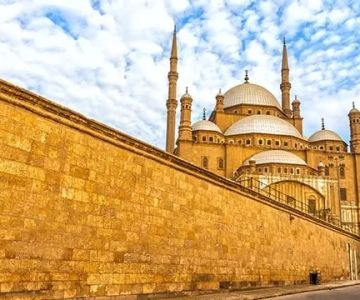
From grand domes to intricate minarets, Islamic architecture in Malaysia blends traditional Islamic design with local cultural elements, creating a unique style that attracts tourists and architecture enthusiasts alike. Understanding the influence of Islamic architecture on Malaysia's mosques offers insight into the country's rich history and deep religious roots.
2. Key Design Elements of Malaysian Mosques
The design elements of Malaysia’s mosques are a testament to Islamic architectural grandeur. Common features include large domes, minarets, mihrabs (prayer niches), and courtyards. Each of these elements serves both functional and aesthetic purposes, allowing worshippers to connect with their faith in a visually inspiring environment.
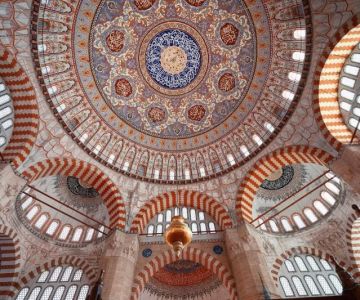
One of the most distinctive aspects of Malaysian mosque design is the fusion of Islamic geometric patterns with local materials like timber, marble, and ceramic tiles. The intricate designs, often seen in decorative mosaics, calligraphy, and tile work, add a sense of cultural depth and spirituality to these buildings. The grand dome, symbolizing the heavens, and the towering minarets, calling the faithful to prayer, are focal points that define the skyline of many cities in Malaysia.
3. Notable Malaysian Mosques
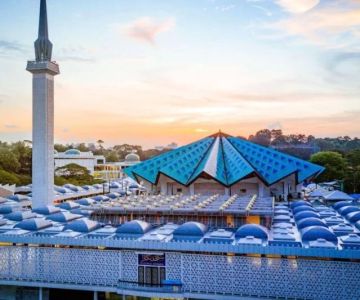
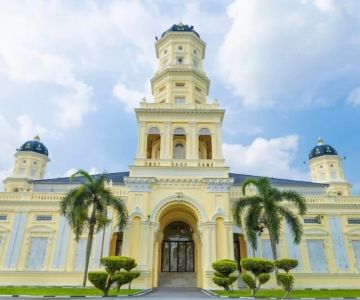
Several mosques across Malaysia are iconic examples of the profound influence Islamic architecture has had on the country. Among the most notable are the National Mosque (Masjid Negara) in Kuala Lumpur, the Blue Mosque (Masjid Sultan Salahuddin Abdul Aziz) in Shah Alam, and the Putra Mosque in Putrajaya.
The National Mosque, built in 1965, is a prime example of modern Islamic architecture, featuring a large, 16-pointed star-shaped umbrella and a 73-meter minaret. Its innovative design integrates traditional Islamic architecture with modern techniques, making it a significant symbol of Malaysia’s Islamic identity.
The Blue Mosque, with its magnificent blue dome and sweeping minarets, is another stunning example of Islamic design. Located in Shah Alam, it is the largest mosque in Southeast Asia and a must-visit for those exploring Islamic architectural heritage in Malaysia.
Meanwhile, the Putra Mosque in Putrajaya is known for its elegant pink dome and serene atmosphere. The mosque’s architecture is inspired by Persian, Malay, and Islamic styles, creating a peaceful sanctuary that blends beautifully with its surroundings.
4. Traveling to Malaysian Mosques
Traveling to Malaysia to explore its mosques offers an enriching cultural experience. Many of the country's mosques are open to visitors, providing the opportunity to learn about the history of Islam in Malaysia and appreciate the architectural beauty of these sacred sites. It's important to dress modestly and respect the customs of the mosque, including removing shoes before entering prayer areas.
One of the best ways to explore these architectural wonders is to join guided tours that explain the historical and cultural significance of each mosque. In addition to mosques, these tours often include visits to other important Islamic landmarks, such as museums and heritage centers, deepening your understanding of Islamic art and culture in Malaysia.
5. Why Visit Malaysian Mosques
Visiting the mosques of Malaysia offers more than just a glimpse of awe-inspiring architecture; it also provides an opportunity to delve into the country’s Islamic heritage. Whether you're an architecture lover, a history buff, or someone seeking spiritual enrichment, the mosques in Malaysia provide a welcoming and educational experience.
Many travelers find that the peaceful atmosphere of Malaysia's mosques allows them to connect with the cultural and religious traditions of the country. Moreover, the blend of Islamic design with local elements gives each mosque a distinctive character, making each visit a unique experience.
Are you ready to explore Malaysia's architectural wonders? Want to learn more about the influence of Islamic architecture on Malaysia’s mosques? Discover your next adventure with UAK Travel, and book your journey today for an unforgettable cultural experience.


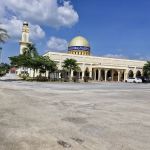 Rumah Tamu Masjid Bandar Jeli4.0 (37 reviews)
 RUMAH PUTIH D'SAWAH Premium Cottage4.0 (16 reviews)
 Shila Rani Homestay4.0 (5 reviews)
 Dahlia Homestay - Flat Pandamaran Jaya Klang0.0 (0 reviews)
 Kompleks Pelancongan Dan Jeti Kuala Sungai Chini, Pekan, Pahang0.0 (0 reviews)
 Lata Berkoh4.0 (35 reviews)
 Exploring the Unique Designs of Mosques in Malaysia: A Journey Through Islamic Architecture
 Exploring the Architectural Beauty of Mosques in Malaysia: A Journey Through Islamic Architecture
 How to Get to the Famous Mosques in Kuala Lumpur by Public Transport: A Complete Travel Guide
 Visiting Malaysia’s Most Famous Mosques During Eid: A Unique Cultural Experience
 Top Mosques to Visit During Ramadan in Malaysia: A Traveler's Guide
 Discover the History of Masjid Titiwangsa in Kuala Lumpur: A Cultural and Architectural Gem