
- 1. Why Combine Mosque Visits with Malay Cultural Workshops?
- 2. The Cultural Significance of Mosques in Malaysia
- 3. Traditional Malay Food Workshops
- 4. Exploring Malaysian Crafts through Workshops
- 5. The Spiritual Aspect of Malay Cultural Workshops
- 6. How to Plan Your Visit to Mosques and Cultural Workshops
1. Why Combine Mosque Visits with Malay Cultural Workshops?
When I first traveled to Malaysia, I was fascinated by the rich blend of history, faith, and tradition that shaped the country’s cultural landscape. One of the most intriguing experiences was combining mosque visits with traditional Malay cultural workshops. This unique fusion of activities offers an in-depth, holistic approach to understanding the country’s religious and cultural heritage.
Combining mosque visits with cultural workshops provides visitors with a deeper understanding of both the religious significance and the cultural richness of the Malay community. Whether you're interested in the spiritual practices of Islam or the vibrant traditions of Malay food and crafts, this combination offers an immersive experience that stimulates both the mind and the senses. I found that the connection between faith, culture, and tradition was truly enlightening and left me with lasting memories of Malaysia's diversity.
2. The Cultural Significance of Mosques in Malaysia
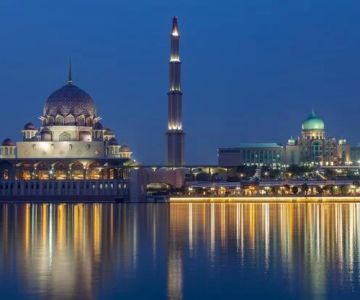
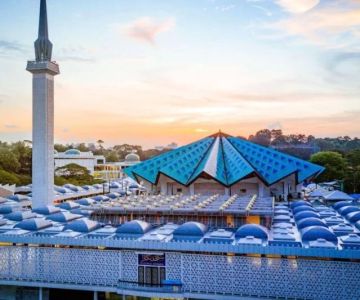
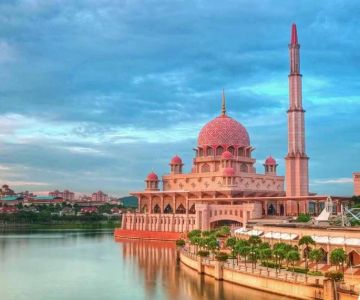
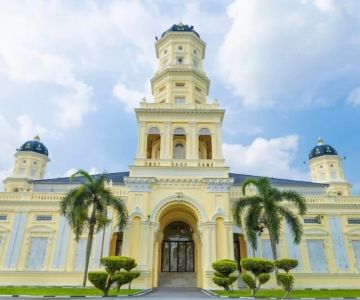
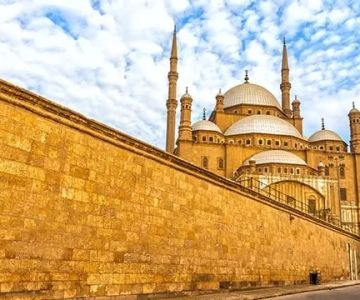
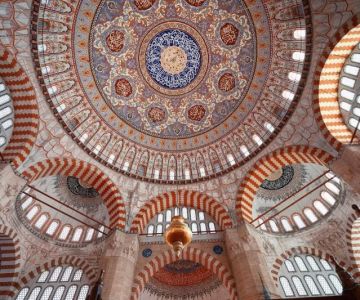
The mosques in Malaysia are not just places of worship; they are also important cultural landmarks that reflect the country’s history and the role of Islam in shaping the Malay identity. During my mosque visit, I was struck by the architectural beauty and tranquility that these places of worship embody. Malaysia is home to some of the most iconic mosques in Southeast Asia, such as the National Mosque (Masjid Negara) in Kuala Lumpur, which features stunning Islamic architecture and offers a peaceful space for reflection.
Visiting a mosque in Malaysia allows you to learn about the centrality of Islam in the lives of many Malaysians. For instance, I had the opportunity to attend a short talk by a local imam who explained the significance of mosque architecture, Islamic art, and the practice of prayer. These experiences provide insight into the faith and its role in the community, adding a layer of depth to your understanding of Malay culture.
3. Traditional Malay Food Workshops
No trip to Malaysia is complete without indulging in its rich culinary heritage, and attending a traditional Malay food workshop is a fantastic way to immerse yourself in the flavors of the region. I had the pleasure of attending a cooking class in the heart of a local village where we learned to prepare iconic Malay dishes like Nasi Lemak, Satay, and Roti John. The workshop was not only hands-on but also a cultural experience in itself.
During the workshop, the local chefs shared fascinating stories about the origins of the dishes, the spices used, and how food plays a central role in family gatherings and celebrations. I learned that food in Malay culture is more than just sustenance—it’s a way of building connections and expressing hospitality. The warm and welcoming nature of the people, coupled with the intoxicating aromas of simmering spices, made this a truly memorable experience. The added benefit is that you get to savor the delicious results of your efforts at the end of the session!
4. Exploring Malaysian Crafts through Workshops
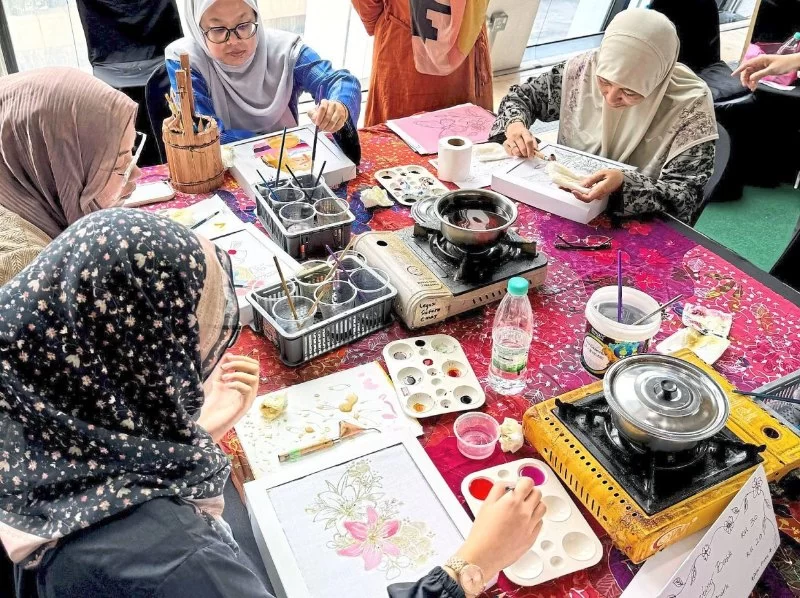
Another aspect of Malay culture that I found incredibly engaging was the traditional crafts. I was fortunate enough to take part in a batik painting workshop, where I learned about the intricate process of hand-painting fabrics with wax and dyes. Batik, a traditional Malay craft, is deeply intertwined with the country’s cultural identity, and it was fascinating to learn about the history and techniques behind it.
During the workshop, the skilled artisans explained how different patterns and colors have symbolic meanings in Malay culture, often telling stories or representing specific values. I had the chance to try my hand at creating my own batik design, which gave me a newfound appreciation for the artistry and patience involved in this craft. Other traditional workshops include pottery, weaving, and woodcraft—each offering a hands-on way to connect with Malaysia’s rich cultural traditions.
5. The Spiritual Aspect of Malay Cultural Workshops
What sets Malay cultural workshops apart is their spiritual significance. Whether it’s cooking, crafting, or learning traditional Malay dances, many of these workshops are infused with cultural rituals that highlight the connection between spirituality and daily life. I had the chance to participate in a cultural dance class, where I learned about the role of dance in Malay rituals and celebrations.
Incorporating faith and spirituality into cultural workshops allows participants to better understand the role of tradition in everyday life. For example, during one workshop, I was introduced to the practice of 'Selawat,' a form of prayer recited by the Malay Muslim community, and how it is expressed through music and chanting. It was a profound reminder of how faith and culture are intertwined in Malay society.
6. How to Plan Your Visit to Mosques and Cultural Workshops
When planning your trip to Malaysia, it’s essential to consider a few factors to make the most of your mosque visits and cultural workshops. Here’s how I planned my itinerary to ensure I didn’t miss out on these incredible experiences:
1. Research Local Mosques and Cultural Centers
Start by researching the mosques and cultural centers that offer tours or workshops. Some mosques provide guided tours that include educational talks, while others may host special events or exhibitions. Be sure to check their schedules in advance, as some mosques may require reservations for group visits or special events.
2. Book Workshops in Advance
While some workshops are available on a walk-in basis, many traditional Malay cultural workshops, especially food and craft classes, require advance booking. I recommend contacting local cultural centers or checking websites like UAK Travel to find well-organized workshops that fit your interests and schedule.
3. Respect the Local Culture and Traditions
Finally, when attending mosque visits or cultural workshops, it’s essential to respect the local customs and traditions. Dress modestly when visiting mosques, and be mindful of the prayer times and other cultural practices. Showing respect for the local culture will not only enhance your experience but also demonstrate your appreciation for the rich heritage of Malaysia.
 Kiara.Laluan B0.0 (0 reviews)
 Kak Mah Mee Celup4.0 (3 reviews)
 HOMESTAY JURA3.0 (3 reviews)
 Homestay Baitul Ummi Kuang Sungai Buloh4.0 (7 reviews)
 Beauty Sense4.0 (13 reviews)
 RIZQIN HOMESTAY TAMAN RUPAWAN4.0 (7 reviews)
 Exploring the Unique Designs of Mosques in Malaysia: A Journey Through Islamic Architecture
 Exploring the Architectural Beauty of Mosques in Malaysia: A Journey Through Islamic Architecture
 How to Get to the Famous Mosques in Kuala Lumpur by Public Transport: A Complete Travel Guide
 Visiting Malaysia’s Most Famous Mosques During Eid: A Unique Cultural Experience
 Top Mosques to Visit During Ramadan in Malaysia: A Traveler's Guide
 Discover the History of Masjid Titiwangsa in Kuala Lumpur: A Cultural and Architectural Gem