
- Understanding the Key Components of a Mosque
- The Significance of the Dome in Mosque Architecture
- Minarets: Their Symbolism and Function
- Exploring Malaysian Examples of Mosque Architecture
- Modern Adaptations in Mosque Architecture in Malaysia
1. Understanding the Key Components of a Mosque
A mosque is not just a place of worship; it is a symbol of cultural identity and architectural beauty. The components of a mosque are thoughtfully designed, each with a specific function and meaning. From the prayer hall to the minaret, every part of the mosque contributes to the atmosphere of reverence and community.
In Islamic architecture, the mosque’s design is rooted in tradition but also reflects the evolving needs of the Muslim community. Key components such as the dome, minaret, prayer hall, and the mihrab (prayer niche) are integral to the mosque’s structure, and understanding these elements helps us appreciate their significance in both religious and cultural contexts.
2. The Significance of the Dome in Mosque Architecture
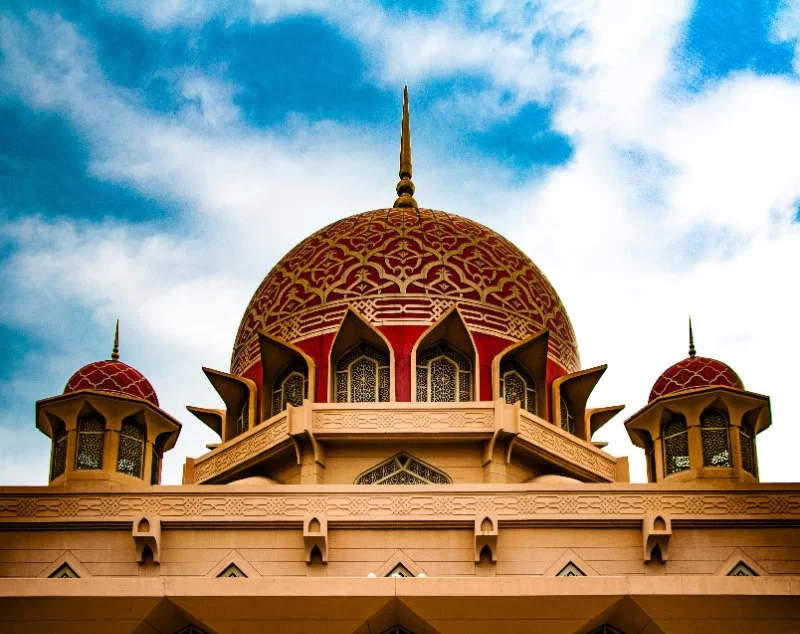
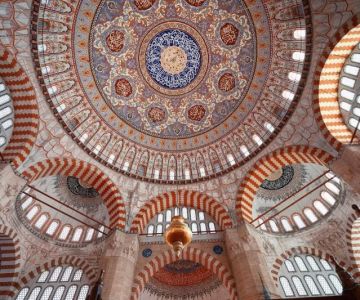
One of the most iconic features of a mosque is its dome. The dome symbolizes the vault of heaven, representing the infinite nature of God’s power. In many mosques, the dome is not only a physical structure but also a spiritual representation of the cosmos. It creates an awe-inspiring sense of space, helping worshippers focus during prayers and contemplate the vastness of the universe and the divine.
In Malaysia, the influence of Islamic architecture is apparent in the design of mosques, where domes serve both functional and aesthetic purposes. These domes are typically large, often with intricate designs and patterns that reflect Islamic art and culture. They also help to regulate the temperature inside the mosque, providing a cool and comfortable environment for prayer.
For example, the National Mosque (Masjid Negara) in Kuala Lumpur features a stunning blue dome that symbolizes the unity of the Muslim world. The design of the dome complements the mosque’s modern architectural style while staying true to traditional elements.
3. Minarets: Their Symbolism and Function
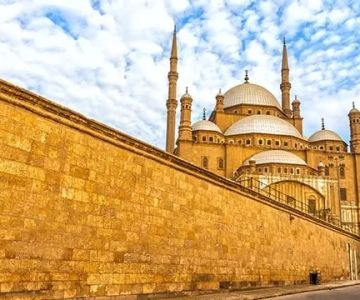
The minaret, a tall tower traditionally found in mosques, holds great symbolic and practical importance. Historically, the minaret was used to call Muslims to prayer, ensuring that the community gathered at the prescribed times. Though loudspeakers now replace the traditional muezzin’s call, minarets continue to serve as an important visual marker of the mosque, reinforcing its presence in the landscape.
Minarets also carry spiritual significance. In many cultures, the towering minaret is seen as a symbol of ascension towards God, reminding worshippers of their connection to the divine. The slender, vertical form of the minaret contrasts with the horizontal lines of the mosque, drawing the eye upwards and evoking a sense of spiritual elevation.
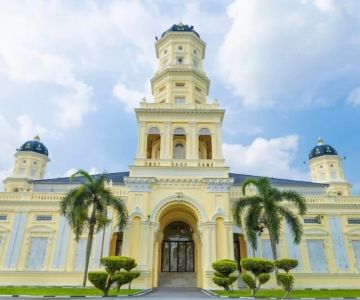
In Malaysia, mosques like the Sultan Abdul Samad Mosque in Petaling Jaya showcase tall, elegant minarets that continue to play a role in the mosque's religious and architectural identity. These minarets not only serve as an important functional element but also contribute to the mosque’s aesthetic beauty and dominance in the skyline.
4. Exploring Malaysian Examples of Mosque Architecture
Malaysia boasts a rich history of Islamic architecture, with mosques that blend traditional elements with local influences. Malaysian mosques often incorporate unique features, such as intricately carved wooden doors, ornamental arches, and beautifully designed minarets, while still maintaining core Islamic principles of simplicity and functionality.
A notable example is the Putra Mosque in Putrajaya. This mosque, with its pink granite dome and massive minaret, is one of the most photographed mosques in the country. The architecture blends traditional Islamic elements with Malaysian styles, creating a striking and modern interpretation of mosque design. The mosque is not only a place of worship but also a cultural landmark that showcases Malaysia’s identity.
Another example is the Al-Nur Mosque in Kota Kinabalu, which features a blend of contemporary design and traditional Islamic architecture. The mosque’s unique dome and the elegant minaret reflect Malaysia’s ongoing innovation in mosque design while staying true to Islamic traditions.
5. Modern Adaptations in Mosque Architecture in Malaysia
In recent years, the design of mosques in Malaysia has evolved to reflect modern needs while maintaining a strong connection to traditional Islamic principles. Newer mosques often feature environmentally friendly designs, incorporating sustainable materials and energy-efficient systems to reduce their environmental impact. The inclusion of green technologies and modern architectural techniques has become a prominent trend in mosque design across Malaysia.
For example, the Tuanku Mizan Zainal Abidin Mosque in Putrajaya, also known as the Iron Mosque, is a beautiful example of modern Islamic architecture. Its sleek, contemporary design utilizes steel and glass to create a minimalist aesthetic while allowing natural light to illuminate the mosque's interior. This design reflects the mosque’s focus on sustainability and adaptation to the needs of a growing urban population.
Modern mosques in Malaysia also integrate communal spaces and facilities to accommodate the evolving needs of the Muslim community. These spaces often include educational facilities, recreational areas, and spaces for social interaction, helping mosques serve as community hubs beyond their traditional religious functions.
 Kiara.Laluan B0.0 (0 reviews)
 Kak Mah Mee Celup4.0 (3 reviews)
 HOMESTAY JURA3.0 (3 reviews)
 Homestay Baitul Ummi Kuang Sungai Buloh4.0 (7 reviews)
 Beauty Sense4.0 (13 reviews)
 RIZQIN HOMESTAY TAMAN RUPAWAN4.0 (7 reviews)
 Exploring the Unique Designs of Mosques in Malaysia: A Journey Through Islamic Architecture
 Exploring the Architectural Beauty of Mosques in Malaysia: A Journey Through Islamic Architecture
 How to Get to the Famous Mosques in Kuala Lumpur by Public Transport: A Complete Travel Guide
 Visiting Malaysia’s Most Famous Mosques During Eid: A Unique Cultural Experience
 Top Mosques to Visit During Ramadan in Malaysia: A Traveler's Guide
 Discover the History of Masjid Titiwangsa in Kuala Lumpur: A Cultural and Architectural Gem