
- Cultural-Meaning-of-Islamic-Patterns
- Calligraphy-as-Sacred-Expression
- Geometry-and-the-Language-of-Symmetry
- Malaysian-Mosque-Interiors-as-Living-Art
- Real-Experiences-Inside-Malaysian-Mosques
- How-to-Appreciate-Islamic-Art-as-a-Traveler
- Why-This-Art-Form-Resonates-Globally
1. Cultural Meaning of Islamic Patterns
When I first began Discovering Islamic Patterns — Calligraphy, Geometry and Art in Malaysian Mosque Interiors, I expected to see beautiful decoration. What I didn’t expect was how deeply symbolic every line, curve, and repetition would feel. Islamic patterns are not simply visual design—they are a language. A quiet, precise, and almost meditative language that speaks about infinity, unity, and balance.
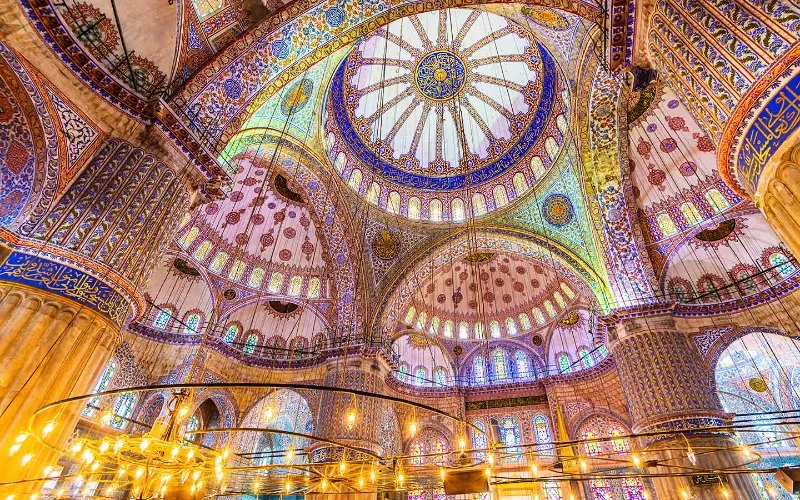
Standing inside a mosque in Malaysia, I realized that nothing is random. Every motif seems intentional, guiding your eyes across walls, ceilings, and arches in a way that feels almost rhythmic. The patterns repeat, but never feel repetitive. Instead, they create a sense of endlessness, reflecting spiritual ideas that go beyond physical space.
1.1 The Philosophy Behind Repetition
One of the most fascinating aspects is repetition. At first glance, it looks decorative. But the more I observed, the more I understood it as a visual metaphor for eternity. There is no clear beginning or end. This is something I hadn’t experienced in Western architectural styles in quite the same way.
1.1.1 Why Patterns Replace Figurative Art
Islamic art traditionally avoids human and animal imagery in religious spaces. Instead, geometry and calligraphy take center stage. This creates a unique artistic identity—one that focuses on abstraction, precision, and spiritual contemplation rather than representation.
2. Calligraphy as Sacred Expression
If geometry provides structure, calligraphy provides voice. During my exploration, I found that Arabic calligraphy is not just writing—it is art infused with meaning. Verses from the Quran are often woven into architectural elements, transforming walls into narratives.
2.1 Emotional Impact of Calligraphy
Even without understanding Arabic, I could feel the emotional weight of the calligraphy. The flow of the script, the balance of the strokes, and the way it integrates with the architecture all contribute to a powerful experience.
2.1.1 Case Study: A Mosque Visit in Kuala Lumpur
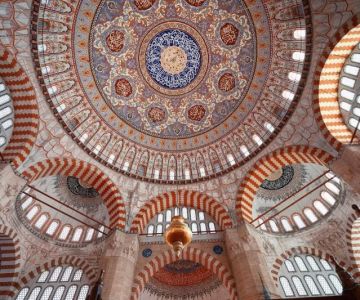
I remember visiting a mosque where the dome interior was lined with intricate calligraphy. The guide explained how each line was carefully placed to maintain harmony with the surrounding geometric patterns. It wasn’t just decoration—it was storytelling through form.
2.2 Craftsmanship and Skill
The level of craftsmanship involved is extraordinary. Creating these works requires not only artistic talent but also deep knowledge of proportion and spiritual meaning. It made me appreciate how much dedication goes into preserving this tradition.
3. Geometry and the Language of Symmetry
Geometry is the backbone of Islamic design. While exploring Malaysian mosque interiors, I found myself constantly drawn to the precision of the patterns. Circles, stars, and polygons interlock in ways that feel both complex and perfectly balanced.
3.1 Mathematical Beauty in Design
What amazed me most was how mathematical these designs are. They are built on grids, angles, and proportions that require careful planning. Yet, the final result feels organic rather than mechanical.
3.1.1 Why Symmetry Feels Calming
There is a psychological effect to symmetry. It creates a sense of order and calm. In a mosque setting, this becomes part of the spiritual experience. The environment itself encourages reflection and focus.
3.2 Modern Interpretations in Malaysia
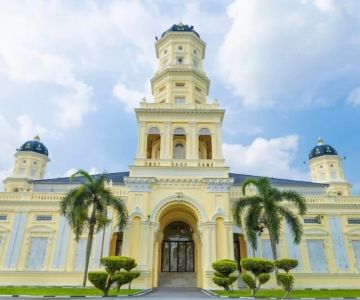
Malaysia has done something unique by blending traditional Islamic geometry with modern architecture. Glass, steel, and light are used alongside classic patterns, creating interiors that feel both timeless and contemporary.
4. Malaysian Mosque Interiors as Living Art
What makes Malaysia particularly interesting is how its mosques function as living spaces, not just historical monuments. These interiors are actively used, maintained, and appreciated by local communities.
4.1 Integration of Culture and Design
Malaysian mosque interiors often incorporate local cultural influences. Colors, materials, and layouts reflect regional identity while still honoring Islamic artistic traditions.
4.1.1 Light as a Design Element
Natural light plays a crucial role. I noticed how sunlight filters through patterned screens, casting intricate shadows that change throughout the day. It turns the interior into a dynamic artwork.
4.2 The Role of Space
The openness of these spaces enhances the visual impact of patterns. Large domes, wide prayer halls, and high ceilings allow the designs to breathe and fully express themselves.
5. Real Experiences Inside Malaysian Mosques
One of the most memorable parts of my journey was simply spending time inside these spaces. Sitting quietly, observing how people interact with the environment, gave me a deeper appreciation for the art.
5.1 A Traveler’s Perspective
As someone coming from outside the culture, I found the experience both educational and humbling. The art is not there for display—it is part of daily life.
5.1.1 A Story That Stayed With Me
I met a traveler who said that visiting a Malaysian mosque changed how they see architecture altogether. They realized that buildings can communicate ideas and emotions, not just serve practical purposes. That idea stayed with me long after the trip ended.
6. How to Appreciate Islamic Art as a Traveler
If you are planning to explore this world yourself, there are a few things I’ve learned that can enhance the experience.
6.1 Slow Down and Observe
It’s easy to take photos and move on, but the real value comes from observation. Spend time looking at details. Notice how patterns connect and repeat.
6.1.1 Respect the Space
Remember that mosques are places of worship. Being respectful of local customs not only shows appreciation but also allows for a more meaningful experience.
6.2 Learn Before You Go
Understanding the basics of Islamic art and symbolism can make a huge difference. It transforms what you see from decoration into a story.
For those looking to explore these destinations more deeply, I found that platforms like UAK Travel can provide helpful insights and curated travel experiences that go beyond typical tourist routes.
7. Why This Art Form Resonates Globally
There is something universally appealing about Islamic patterns. Whether it’s the precision of geometry or the elegance of calligraphy, these elements speak to people across cultures.
7.1 A Bridge Between Art and Spirituality
What makes this art form unique is how it connects visual beauty with deeper meaning. It’s not just something you look at—it’s something you feel.
7.1.1 Personal Reflection
For me, discovering Islamic patterns in Malaysian mosque interiors wasn’t just about learning something new. It was about seeing how art can shape an environment, influence emotions, and create a sense of connection that goes beyond words.
The more time I spent exploring these spaces, the more I realized that this is not just architecture—it’s an experience. And once you notice it, you start seeing patterns everywhere, even outside the mosque, in everyday life.
 Kiara.Laluan B0.0 (0 reviews)
 Kak Mah Mee Celup4.0 (3 reviews)
 HOMESTAY JURA3.0 (3 reviews)
 Homestay Baitul Ummi Kuang Sungai Buloh4.0 (7 reviews)
 Beauty Sense4.0 (13 reviews)
 RIZQIN HOMESTAY TAMAN RUPAWAN4.0 (7 reviews)
 Exploring the Unique Designs of Mosques in Malaysia: A Journey Through Islamic Architecture
 Exploring the Architectural Beauty of Mosques in Malaysia: A Journey Through Islamic Architecture
 How to Get to the Famous Mosques in Kuala Lumpur by Public Transport: A Complete Travel Guide
 Visiting Malaysia’s Most Famous Mosques During Eid: A Unique Cultural Experience
 Top Mosques to Visit During Ramadan in Malaysia: A Traveler's Guide
 Discover the History of Masjid Titiwangsa in Kuala Lumpur: A Cultural and Architectural Gem