
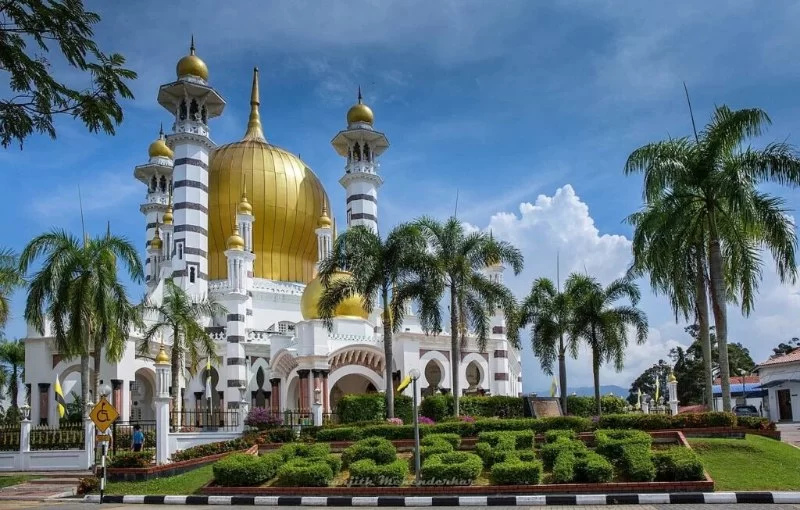
1. The Diverse Mosque Experience in Malaysia
Visiting a mosque is a meaningful experience in Malaysia, whether you’re in a bustling urban center like Kuala Lumpur or a serene village in the heart of the country. As a frequent traveler and a lover of cultural exploration, I’ve had the privilege of experiencing both rural and urban mosques in Malaysia, each offering a unique atmosphere and a different perspective on Islamic traditions. In this article, I’ll take you on a journey through these contrasting experiences, highlighting the differences, surprises, and fascinating human stories behind them.
2. Rural Malaysian Mosques: Quiet, Close-Knit, and Tradition-Focused
One of my first experiences visiting a mosque in rural Malaysia was in a small village in the state of Terengganu. Upon entering the mosque, I was struck by the simplicity and calmness that surrounded the space. In rural areas, mosques often serve as the heartbeat of the community, and the daily prayers are a central part of village life.
As I sat in the mosque’s courtyard, I was greeted by friendly locals, many of whom knew each other by name. The mosque was not just a place of worship but also a social hub. It became clear to me that, in rural areas, the mosque is where people meet, share news, and strengthen community bonds. The modesty of the buildings reflected the values of the village—humble, intimate, and deeply connected to faith.
There are no towering minarets or elaborate decorations here. The mosques in rural Malaysia are often smaller, simpler structures, often surrounded by lush greenery, which allows for a tranquil and contemplative environment. The call to prayer, echoing across the village, was almost like a reminder to pause and reconnect with the divine in a serene, unhurried way. For many villagers, these mosques are places where the rhythm of life is perfectly in tune with the natural world.
3. Urban Malaysian Mosques: Modernity Meets Tradition
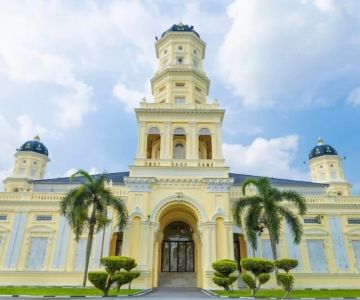
Contrasting the rural mosque experience, visiting a mosque in a major city like Kuala Lumpur is an entirely different affair. The city is home to some of the most stunning and grand mosques in Malaysia, such as the iconic National Mosque (Masjid Negara) and the vibrant Masjid Jamek. These mosques are not only places of worship but also architectural marvels that showcase the blend of modernity with traditional Islamic influences.
One of my favorite experiences was visiting Masjid Jamek, located in the heart of Kuala Lumpur. Its unique design, with its mix of Moorish and Islamic styles, is a striking representation of Malaysia’s rich cultural heritage. Here, the sound of the call to prayer still resonates through the air, but it’s accompanied by the hustle and bustle of city life, a stark contrast to the quietude of rural mosques.
Urban mosques often attract a more diverse range of worshippers, including young professionals, students, and international visitors. The dynamic nature of these mosques reflects the broader diversity of the city itself. For me, it was fascinating to witness how tradition and modernity coexist, with technology playing an increasingly prominent role in the religious experience. In many of these mosques, digital screens display prayer times and Quranic verses, and the use of social media platforms to connect worshippers has become more prevalent.
4. Contrasts and Surprises Between Rural and Urban Mosques
While both rural and urban mosques share commonalities, such as the fundamental practices of prayer and worship, the experiences of visiting them can be worlds apart. Some of the key contrasts I observed include:
- Size and Architecture: Urban mosques tend to be much larger, with impressive architecture and modern amenities, whereas rural mosques are often smaller and simpler in design, focusing more on functionality and community.
- Community Interaction: In rural mosques, the sense of community is palpable. Everyone knows each other, and interactions are more personal and intimate. In contrast, urban mosques, while still community-focused, often cater to a more transient population, with diverse groups of people attending prayers.
- Cultural Influence: Urban mosques may feature more international influences, as they serve a more global audience. In rural areas, the mosque’s role is largely influenced by local customs and traditions, making for a more homogenous experience.
- Technology: Urban mosques are more likely to integrate technology, such as electronic displays for prayer times and the use of apps for religious learning. In rural mosques, technology plays a smaller role, and the emphasis is on personal connection and traditional practices.
5. Human Stories from Rural and Urban Mosques
One of the most enriching aspects of visiting both rural and urban mosques is the human stories you encounter. In rural mosques, I met an elderly man who shared his experiences of helping to build the mosque in his village. His pride in the mosque was evident, and it was clear that it was a place that had shaped not only his faith but also the unity of his community.
In urban mosques, I encountered young professionals who spoke about how the mosque had become a refuge from the fast-paced demands of city life. For them, the mosque was not only a place for spiritual reflection but also a space where they could find peace amid the chaos of their busy lives. One young woman shared how her participation in mosque events and community outreach had allowed her to form meaningful connections with others in her city.
These personal stories highlight the significance of mosques in the lives of Malaysians, regardless of whether they live in the bustling cities or peaceful rural areas. They are not merely religious spaces but are integral to people’s social, emotional, and spiritual well-being.
6. Exploring More Cultural Experiences in Malaysia
Visiting mosques in both rural and urban areas offers a fascinating glimpse into the diversity and complexity of Malaysia’s Islamic culture. Whether you’re in the heart of Kuala Lumpur or a small village in the countryside, each mosque tells a story that is deeply connected to the people and place around it.
If you’re planning a trip to Malaysia and want to explore more about its rich cultural heritage, be sure to visit UAK Travel. We offer guided tours that include visits to mosques, cultural centers, and more, providing you with the opportunity to connect with the heart of Malaysia’s diverse traditions.
 Salam 2 Homestay Penang4.0 (30 reviews)
 LAREINE SKIN AND BODY WELLNESS4.0 (38 reviews)
![SURAU AN-NUR [Apt.Tmn.Cahaya]](https://img.uaktravel.com/d32/2506/1704287828927429_150x150.webp) SURAU AN-NUR [Apt.Tmn.Cahaya]5.0 (1 reviews)
SURAU AN-NUR [Apt.Tmn.Cahaya]5.0 (1 reviews) RUMAH JAHARA5.0 (18 reviews)
 San Francisco Coffee Menara Keck Seng4.0 (13 reviews)
 SEMERAH ENTERPRISE SDN BHD4.0 (9 reviews)
 Exploring the Unique Designs of Mosques in Malaysia: A Journey Through Islamic Architecture
 Exploring the Architectural Beauty of Mosques in Malaysia: A Journey Through Islamic Architecture
 How to Get to the Famous Mosques in Kuala Lumpur by Public Transport: A Complete Travel Guide
 Visiting Malaysia’s Most Famous Mosques During Eid: A Unique Cultural Experience
 Top Mosques to Visit During Ramadan in Malaysia: A Traveler's Guide
 Discover the History of Masjid Titiwangsa in Kuala Lumpur: A Cultural and Architectural Gem