
- 1 - Understanding Mosques and Local Festivals in Malaysia
- 2 - Ramadan in Malaysia: Daily Life, Mosques, and Community Traditions
- 3 - Eid al-Fitr in Malaysia: What Happens on This Major Celebration
- 4 - Eid al-Adha: Rituals, Mosques, and Community Sharing
- 5 - Other Important Islamic Dates and What They Mean
- 6 - Real Travel Stories: Experiencing Malaysian Festivals Firsthand
- 7 - How Travelers Can Respectfully Participate
- 8 - Planning a Festival-Focused Trip With UAK Travel
1. Understanding Mosques and Local Festivals in Malaysia
Malaysia’s cultural identity is shaped by its diversity, but Islamic traditions play a central role in the country’s rhythm of life. Mosques are not just places of prayer; they serve as community hubs where families gather, charity programs begin, and religious celebrations unfold. When exploring mosque and local festivals in Malaysia, travelers quickly discover that these events blend spiritual meaning with social warmth and a strong sense of belonging.
What makes Malaysia unique is how its Islamic festivals incorporate local flavors—from festive open houses to traditional dishes like rendang, lemang, and kuih. And during major dates such as Ramadan, Eid al-Fitr, and Eid al-Adha, mosques become vibrant centers of activity filled with prayer, generosity, and joyful celebrations.
1.1 Why Festivals Matter in Malaysian Culture
Festivals in Malaysia are not quiet, private affairs. They spill into neighborhoods, connect families and strangers, and remind communities to reflect on gratitude, humility, and generosity. As a Muslim-majority country, Malaysia observes Islamic holidays with national enthusiasm, making it one of the best places for foreign visitors to witness these celebrations respectfully and authentically.
2. Ramadan in Malaysia: Daily Life, Mosques, and Community Traditions
Ramadan—the holy month of fasting—is one of the most important parts of mosque and local festivals in Malaysia. From dawn to dusk, Muslims abstain from food and drink, focusing instead on prayer, reflection, and charity. Yet Ramadan in Malaysia also carries a unique cultural energy that blends devotion with communal joy.
2.1 What Happens at Mosques During Ramadan
Mosques fill with worshippers, especially during Tarawih, the special nightly prayers held throughout Ramadan. Many mosques offer free Iftar meals for anyone who wants to break their fast, including travelers. These meals range from simple dates and water to full spreads featuring nasi lemak, curries, or Malaysian sweets.
Volunteers—often entire families—play a major role, preparing food, organizing prayer areas, and helping elders find comfortable seating. This spirit of hospitality is widely felt and is a defining feature of Ramadan in Malaysia.
2.2 Ramadan Bazaars and Night Culture
One thing travelers always remember is the vibrant Ramadan bazaars. Every evening, streets fill with vendors selling grilled satay, murtabak, fresh sugarcane juice, and colorful kuih desserts. The scent of smoky spices floats through the air, drawing locals and tourists alike.
These bazaars create an atmosphere that is festive yet respectful—an essential part of local life that helps define mosque and local festivals in Malaysia.
3. Eid al-Fitr in Malaysia: What Happens on This Major Celebration
Known locally as Hari Raya Aidilfitri, this festival marks the end of Ramadan and is one of the most important celebrations in the country. Mosques host early morning prayers known as “Solat Aidilfitri,” followed by sermons reflecting on gratitude, forgiveness, and unity.
3.1 Community Traditions After Eid Prayers
Once prayers finish, families visit relatives in a tradition called “balik kampung”—returning to their hometowns. Houses welcome visitors with traditional foods like ketupat, rendang, and sweet kuih. Children often receive “duit raya,” small monetary gifts in festive envelopes.
3.2 A Real Example of Eid Warmth
One American traveler shared that after attending Eid prayers at a mosque in Penang, a local family invited them to their home for breakfast. They were welcomed with open arms, seated at a table filled with homemade dishes, and treated as if they were long-lost friends. This sense of generosity is exactly what makes mosque and local festivals in Malaysia unforgettable.
4. Eid al-Adha: Rituals, Mosques, and Community Sharing
Eid al-Adha, or Hari Raya Haji, commemorates the story of Prophet Ibrahim’s willingness to sacrifice his son. Malaysia observes this festival with prayers in mosques followed by the ritual animal sacrifice, known as qurban. The meat is then distributed to the poor, emphasizing charity and compassion.
4.1 The Role of Mosques During Eid al-Adha
Many mosques organize qurban events, ensuring ethical handling and fair distribution. Community members volunteer, documenting recipients, transporting meat, and making sure widows, low-income families, and elders receive support. This sense of responsibility reinforces the importance of mosques in Malaysian society.
5. Other Important Islamic Dates and What They Mean
Beyond Ramadan and Eid, Malaysia observes several other Islamic dates, each with its own customs and mosque traditions. While not all involve large celebrations, many carry deep cultural and spiritual meaning.
5.1 Maulidur Rasul
This holiday celebrates the birth of Prophet Muhammad. Mosques host lectures, parades, and Quran recitations. Streets may fill with banners and community groups marching together.
5.2 Islamic New Year (Awal Muharram)
A quieter observance that marks the beginning of the Islamic calendar year. Mosques emphasize reflection, charity, and peaceful gatherings.
5.3 Nuzul Quran
This date marks the revelation of the Quran to Prophet Muhammad. Mosques organize recitations, youth programs, and educational sessions.
6. Real Travel Stories: Experiencing Malaysian Festivals Firsthand
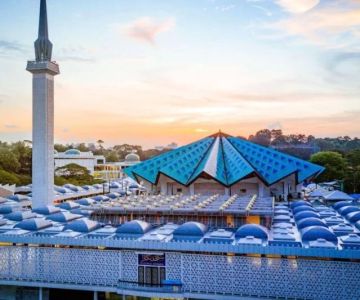
One traveler visiting Kuala Lumpur during Ramadan described the contrast between serene mosque prayers and lively night bazaars. They recalled sitting quietly inside Masjid Negara during evening prayers and then stepping outside into a bustling street filled with lanterns and food stalls. The blend of spirituality and social vibrancy left a lasting impression.
Another visitor who timed their trip around Eid al-Fitr shared that they were invited to three different “open houses”—a Malaysian tradition where families welcome friends and strangers alike. By the end of the day, they had eaten more kuih than they thought possible and had formed unexpected friendships.
7. How Travelers Can Respectfully Participate
To fully appreciate mosque and local festivals in Malaysia, it helps to understand respectful practices. Travelers should dress modestly when entering mosques, follow local cues, and ask permission before photographing religious activities. Most Malaysians are warm and welcoming, especially when they see foreigners taking genuine interest in their traditions.
7.1 What You Should Know Before Visiting
1. During Ramadan, avoid eating or drinking in public during fasting hours.
2. At mosques, remove shoes and stay in designated visitor areas unless invited otherwise.
3. Accepting food at open houses is a sign of respect.
4. Learn simple Malay greetings like “Selamat Hari Raya” to show cultural appreciation.
8. Planning a Festival Experience With UAK Travel
If you want to time your trip around mosque and local festivals in Malaysia, UAK Travel can help curate an itinerary that includes festival hotspots, mosque visits, cultural food tours, and authentic community experiences.
Whether you’re curious about what happens during Ramadan prayers, hoping to join an Eid open house, or exploring the meaning behind Malaysia’s many Islamic holidays, UAK Travel provides the insights and planning support that make your journey both respectful and unforgettable.
These festivals reveal the heart of Malaysia: a country where community, warmth, and tradition come together. With expert guidance, you can witness these celebrations not as an outsider, but as a welcomed guest.
 Rest & Go0.0 (0 reviews)
 Homestay Masjid Hidayatul Muttaqin2.0 (6 reviews)
 Homestay Q Suite KL5.0 (5 reviews)
 Humairah Homestay @ IM85.0 (26 reviews)
 Seri Homestay3.0 (11 reviews)
 Ladang kelulut Voltan Agro5.0 (7 reviews)
 Exploring the Unique Designs of Mosques in Malaysia: A Journey Through Islamic Architecture
 Exploring the Architectural Beauty of Mosques in Malaysia: A Journey Through Islamic Architecture
 How to Get to the Famous Mosques in Kuala Lumpur by Public Transport: A Complete Travel Guide
 Visiting Malaysia’s Most Famous Mosques During Eid: A Unique Cultural Experience
 Top Mosques to Visit During Ramadan in Malaysia: A Traveler's Guide
 Discover the History of Masjid Titiwangsa in Kuala Lumpur: A Cultural and Architectural Gem