
- #Understanding-Mosque-Travel - The Meaning of Mosque Travel as Cultural Exchange
- #Mosques-In-Malaysian-Culture - Why Mosques Hold Cultural and Community Importance
- #Architecture-And-Spiritual-Space - Learning Through Islamic Architecture in Malaysia
- #Respectful-Mosque-Visiting - Cultural Etiquette for Visitors
- #Real-Travel-Stories - Personal Experiences from Mosque Travelers
- #Planning-Cultural-Travel - How Travelers Can Explore Mosques Respectfully
The Meaning of Mosque Travel as Cultural Exchange
Travel has always been one of the most powerful ways to understand cultures beyond our own. Among the many forms of cultural tourism, mosque travel has emerged as a unique experience that combines learning, reflection, and respectful exploration. The idea behind Mosque Travel as Cultural Exchange — Learning, Reflection and Respect in Malaysia is not simply about visiting religious buildings, but about gaining a deeper understanding of the values and traditions that shape local communities.
Malaysia, known for its cultural diversity and religious harmony, offers an especially meaningful setting for this type of travel. Mosques across the country welcome visitors from around the world, providing opportunities to learn about Islamic culture, architecture, and community life.
For many travelers, stepping into a mosque becomes a moment of quiet reflection. The calm atmosphere, thoughtful design, and welcoming hospitality encourage visitors to pause and experience a different cultural rhythm.
1. Cultural Exchange Through Travel
Cultural exchange happens when visitors approach new places with curiosity and respect. Mosque travel encourages this mindset by inviting travelers to observe, listen, and learn rather than simply passing through as tourists.
How meaningful travel experiences develop
When visitors take the time to understand the purpose of a mosque, the experience becomes far more than sightseeing. Conversations with local guides, exposure to prayer rituals, and appreciation for architectural symbolism all contribute to a deeper cultural understanding.
This form of travel promotes empathy and appreciation across cultures.
Why Mosques Hold Cultural and Community Importance
In Malaysia, mosques serve not only as places of worship but also as community centers. They play an essential role in daily life, bringing people together for prayer, education, and social gatherings.
1. The Mosque as a Community Hub
Many visitors are surprised to learn that mosques often host educational programs, charity events, and cultural discussions.
The broader role of mosques in Malaysian society
1. Mosques provide spaces for religious learning and reflection.
2. They host community events that bring together families and neighbors.
3. They often support charitable activities and local outreach programs.
This broader role means that visiting a mosque offers insight into how communities organize and support one another.
2. Cultural Diversity Within Malaysian Islam
Malaysia’s multicultural society includes influences from Malay, Chinese, Indian, and indigenous traditions. These influences often appear in mosque architecture, decorative motifs, and community traditions.
For travelers interested in cultural tourism in Malaysia, visiting mosques can reveal the rich blend of heritage that defines the country.
Learning Through Islamic Architecture in Malaysia
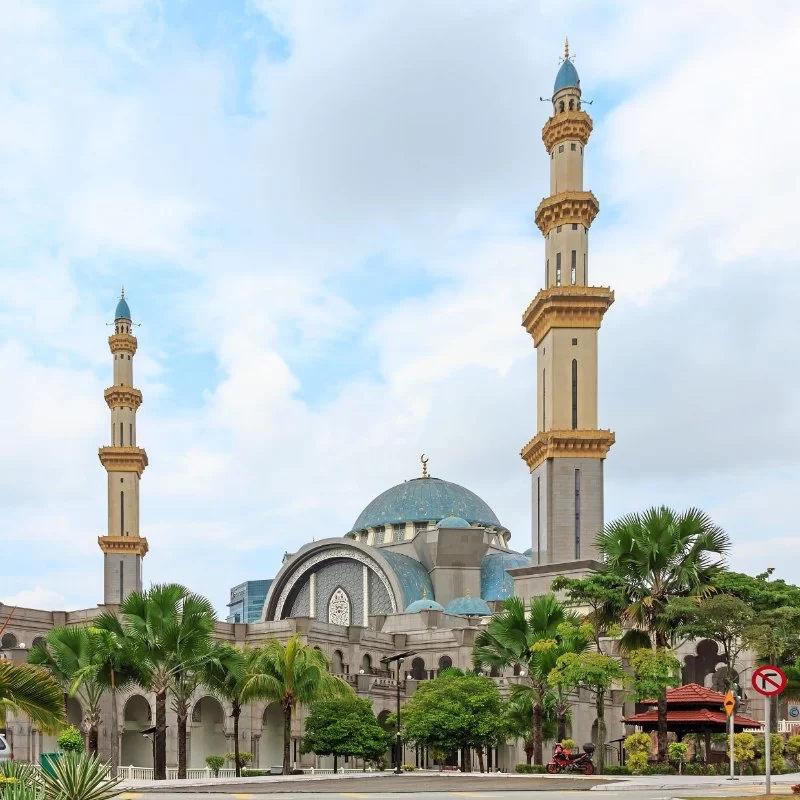
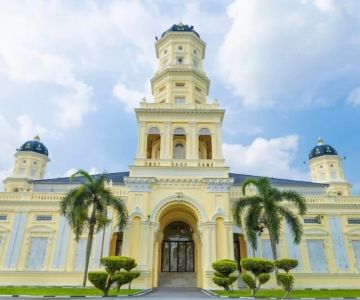
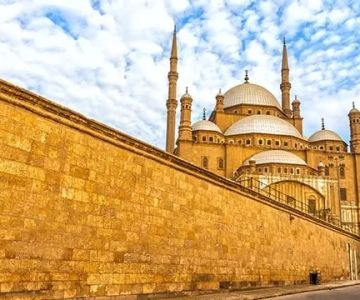
Architecture is one of the most visible and fascinating aspects of mosque travel. Malaysian mosques reflect centuries of artistic inspiration and regional design.
1. Architectural Styles That Tell Stories
Many mosques in Malaysia combine traditional Islamic architectural elements with local influences.
Design elements visitors often notice
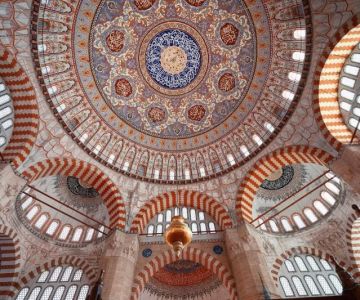
1. Large domes that symbolize unity and openness.
2. Elegant minarets used for the call to prayer.
3. Geometric patterns and calligraphy that convey spiritual messages.
These architectural elements are not purely decorative. They reflect deeper spiritual concepts such as balance, harmony, and the relationship between humans and the divine.
2. Creating Spaces for Reflection
One of the most striking aspects of mosque interiors is their peaceful atmosphere. Soft lighting, open spaces, and minimalistic design encourage quiet contemplation.
Visitors often describe feeling a sense of calm when stepping inside these spaces, even if they do not share the same religious background.
Cultural Etiquette for Visitors
Because mosques are sacred places, respectful behavior is essential. Understanding basic etiquette ensures that visitors can appreciate the experience while honoring local traditions.
1. Dress and Behavior Guidelines
Most mosques provide clear guidelines for visitors.
Common etiquette practices
1. Visitors should wear modest clothing that covers shoulders and knees.
2. Shoes are typically removed before entering prayer areas.
3. Quiet and respectful behavior is expected while inside the mosque.
Following these simple practices demonstrates cultural respect and allows visitors to experience the space appropriately.
2. Interacting with Local Guides
Many Malaysian mosques welcome international visitors through guided tours. These tours often include explanations of Islamic beliefs, architectural features, and the daily life of the mosque community.
Travelers frequently say that these conversations are among the most memorable parts of their journey.
Personal Experiences from Mosque Travelers
Stories from travelers often highlight how mosque visits create meaningful cultural connections.
1. A Traveler’s First Mosque Visit
A traveler from the United States once described visiting a mosque in Kuala Lumpur during a cultural tour. Initially uncertain about etiquette, the visitor was warmly greeted by volunteers who explained the purpose of different areas within the mosque.
A moment of cultural understanding
During the visit, the traveler observed afternoon prayers and listened to a guide discuss the symbolism behind the mosque’s architecture. What began as a simple stop on a travel itinerary turned into a deeper appreciation of Islamic traditions.
2. Social Media and Cultural Tourism
In recent years, mosque travel has gained attention on travel blogs and social media platforms. Travelers often share photographs and stories highlighting the beauty and serenity of Malaysian mosques.
These posts encourage others to explore cultural tourism in Malaysia with a mindset of respect and curiosity.
How Travelers Can Explore Mosques Respectfully
Planning a mosque-focused travel experience requires awareness and thoughtful preparation.
1. Choosing Cultural Travel Experiences
Travelers who want to explore Mosque Travel as Cultural Exchange — Learning, Reflection and Respect in Malaysia often benefit from curated travel resources that highlight meaningful cultural destinations.
Finding trusted travel recommendations
Platforms such as UAK Travel help visitors discover culturally enriching travel opportunities, including experiences that emphasize respectful exploration of historical and religious sites.
By providing curated travel insights, these resources make it easier for travelers to connect with local culture in thoughtful and meaningful ways.
Through mindful exploration, mosque travel in Malaysia becomes more than a sightseeing activity. It becomes an opportunity to learn about history, appreciate architecture, and build respectful connections between cultures.
 Kiara.Laluan B0.0 (0 reviews)
 Kak Mah Mee Celup4.0 (3 reviews)
 HOMESTAY JURA3.0 (3 reviews)
 Homestay Baitul Ummi Kuang Sungai Buloh4.0 (7 reviews)
 Beauty Sense4.0 (13 reviews)
 RIZQIN HOMESTAY TAMAN RUPAWAN4.0 (7 reviews)
 Exploring the Unique Designs of Mosques in Malaysia: A Journey Through Islamic Architecture
 Exploring the Architectural Beauty of Mosques in Malaysia: A Journey Through Islamic Architecture
 How to Get to the Famous Mosques in Kuala Lumpur by Public Transport: A Complete Travel Guide
 Visiting Malaysia’s Most Famous Mosques During Eid: A Unique Cultural Experience
 Top Mosques to Visit During Ramadan in Malaysia: A Traveler's Guide
 Discover the History of Masjid Titiwangsa in Kuala Lumpur: A Cultural and Architectural Gem