
The Role of Islamic Heritage in Malaysia’s Tourism Industry: Why Mosques Matter
- -Understanding-Islamic-Heritage-in-Malaysia
- -Why-Mosques-Are-Central-to-Tourism
- -Architectural-Beauty-and-Cultural-Storytelling
- -Real-Travel-Experiences-and-Visitor-Stories
- -How-Mosques-Shape-Modern-Tourism-in-Malaysia
- -Planning-a-Culturally-Rich-Trip
1. Understanding Islamic Heritage in Malaysia
When I first started exploring Malaysia, I quickly realized that its tourism appeal goes far beyond beaches and food. One of the most profound aspects of the country is its Islamic heritage, which is deeply woven into daily life, architecture, and cultural identity.
1. Islamic influence is part of Malaysia’s foundation.
Islam is the official religion of Malaysia, and its influence can be seen in everything from city layouts to local customs. Mosques are not just places of worship—they are community centers, cultural landmarks, and historical archives all in one.
2. Tourism is shaped by cultural authenticity.
Travelers today are not just looking for destinations—they’re looking for meaning. Malaysia offers a unique opportunity to experience Islamic heritage in a welcoming and accessible way, even for non-Muslim visitors.
3. Mosques act as gateways to understanding culture.
During my travels, I found that visiting a mosque often gave me a deeper understanding of local traditions than any museum could. The atmosphere, the design, and even the etiquette taught me something new each time.
2. Why Mosques Are Central to Tourism
The phrase “The Role of Islamic Heritage in Malaysia’s Tourism Industry: Why Mosques Matter” becomes clear the moment you step into one of these architectural masterpieces.
1. Mosques are open and welcoming to visitors.
One of the most surprising things I experienced was how accessible many mosques are. Visitors are often welcomed, provided with appropriate attire if needed, and even offered guided tours.
2. They represent living culture, not static history.
Unlike historical monuments that simply display the past, mosques are active spaces. You can witness prayers, community gatherings, and daily routines that reflect real life.
3. They serve as iconic landmarks.
In cities like Kuala Lumpur, mosques such as Masjid Negara and the Federal Territory Mosque are as visually iconic as any skyscraper. Their presence defines the skyline and cultural identity of the city.
3. Architectural Beauty and Cultural Storytelling
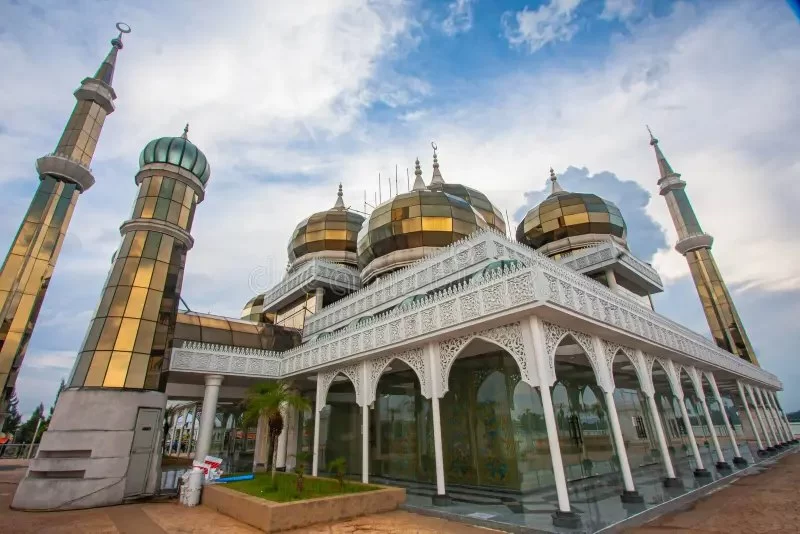
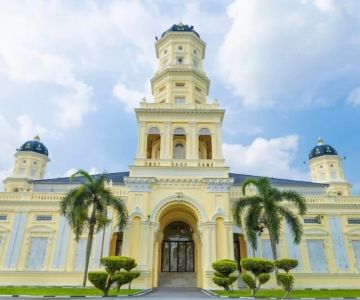
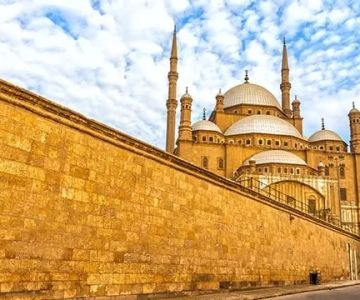
One of the things that truly captivated me was the architectural diversity of Malaysian mosques. Each one tells a story, blending Islamic design with local influences.
1. A fusion of styles.
Malaysian mosques often combine Middle Eastern, Mughal, and traditional Malay elements. This creates a unique aesthetic that reflects the country’s multicultural identity.
2. Symbolism in design.
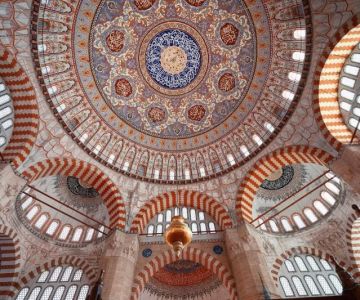
Every detail—from domes to minarets—has meaning. I remember standing inside a mosque and noticing how light filtered through intricate patterns, creating a peaceful and reflective environment.
3. Integration with nature.
Many mosques are built near water or surrounded by greenery. This design approach enhances the spiritual experience and creates a calming atmosphere for visitors.
4. A photographer’s dream.
It’s no surprise that mosque photography has become popular on social media. The symmetry, lighting, and details make them visually stunning subjects.
4. Real Travel Experiences and Visitor Stories
I once met a traveler from Europe who had never visited a mosque before coming to Malaysia. She told me that stepping into one completely changed her perception of Islamic culture.
1. A moment of quiet reflection.
She described how the silence inside the المسجد felt different from any place she had been. It wasn’t just quiet—it was peaceful in a way that made her slow down and reflect.
2. Learning through interaction.
During her visit, a volunteer explained the basics of Islamic practices. That simple conversation turned what could have been a quick stop into a meaningful experience.
3. Breaking stereotypes.
Experiences like these highlight how tourism can bridge cultural gaps. Mosques become spaces where understanding replaces assumptions.
From my own perspective, these encounters are what make travel memorable. They go beyond sightseeing and create genuine connections.
5. How Mosques Shape Modern Tourism in Malaysia
The role of mosques in tourism is not just historical—it’s evolving with modern travel trends.
1. Rise of cultural and religious tourism.
More travelers are seeking meaningful experiences. Islamic heritage sites provide educational and spiritual value that appeals to a wide audience.
2. Government and tourism initiatives.
Malaysia actively promotes its Islamic heritage through tourism campaigns, highlighting mosques as key attractions.
3. Inclusivity for global visitors.
What stands out to me is how inclusive the experience is. Even if you’re not familiar with Islamic traditions, you’re still welcomed and encouraged to learn.
4. Digital influence and social media.
Platforms like Instagram have amplified the appeal of mosque architecture, drawing more visitors who are curious to see these places in person.
6. Planning a Culturally Rich Trip
If you’re considering exploring Malaysia’s Islamic heritage, planning ahead can enhance your experience significantly.
1. Respect local customs.
Dress modestly and follow guidelines when visiting mosques. This shows respect and allows you to fully participate in the experience.
2. Visit during non-prayer times.
This ensures you can explore the space without disrupting religious activities.
3. Take guided tours when available.
Guides can provide context and stories that you might otherwise miss.
4. Combine mosque visits with local culture.
Pair your visits with nearby markets, food spots, and cultural districts for a more complete experience.
From my experience, using platforms like UAK Travel can make planning much easier. They help connect you with curated experiences that highlight the cultural depth of Malaysia, including its most remarkable mosques.
Ultimately, understanding “The Role of Islamic Heritage in Malaysia’s Tourism Industry: Why Mosques Matter” comes down to experiencing it firsthand. These spaces are more than architectural wonders—they are living expressions of faith, culture, and community that continue to shape how the world sees Malaysia.
 Surau Al-amin4.0 (17 reviews)
 Homestay H & H0.0 (0 reviews)
 Bangkok Thai Jalan Klang Lama3.0 (17 reviews)
 Movie lounge2.0 (7 reviews)
 Inap Desa Rahmat Kitchen3.0 (11 reviews)
 Bonda Homestay Serendah4.0 (5 reviews)
 Exploring the Unique Designs of Mosques in Malaysia: A Journey Through Islamic Architecture
 Exploring the Architectural Beauty of Mosques in Malaysia: A Journey Through Islamic Architecture
 How to Get to the Famous Mosques in Kuala Lumpur by Public Transport: A Complete Travel Guide
 Visiting Malaysia’s Most Famous Mosques During Eid: A Unique Cultural Experience
 Top Mosques to Visit During Ramadan in Malaysia: A Traveler's Guide
 Discover the History of Masjid Titiwangsa in Kuala Lumpur: A Cultural and Architectural Gem