
- travellers-reflection-on-malaysian-mosques-faith-culture-architecture
- first-impressions-of-mosques-in-malaysia
- architecture-and-sacred-design-elements
- human-encounters-inside-the-mosques
- cultural-etiquette-and-spiritual-awareness
- how-this-journey-changed-my-view-of-travel
- planning-your-own-malaysian-mosque-experience
A Traveller’s Reflection on Visiting 10+ Malaysian Mosques
What I learned visiting 10+ Malaysian mosques was not something I expected to gain when I first added these destinations to my travel list. I had come for architecture, photography, and cultural curiosity. What I left with was a deeper understanding of faith, a stronger appreciation for Malaysian hospitality, and a profound respect for how spirituality shapes daily life.
Each mosque offered more than visual beauty. They became quiet classrooms where faith, culture, and community blended seamlessly. This journey reshaped the way I see religious spaces—not as tourist stops, but as living centers of deeply rooted tradition.
The First Encounters That Changed My Expectations
1. The Unexpected Calm Upon Entry
Walking into my first mosque in Kuala Lumpur, I noticed an immediate shift in atmosphere. Outside, traffic buzzed with urgency. Inside, everything softened. Voices lowered naturally, footsteps slowed, and the air itself felt heavier with stillness.
What I learned visiting 10+ Malaysian mosques is how consistently this calm appears across cities and rural towns alike. It is not enforced—it is shared and respected instinctively.
2. The Warmth of the People
Instead of being met with distance as a foreign traveler, I was often greeted with gentle smiles, quiet nods, and soft guidance. Volunteers frequently approached to help explain customs without making a spectacle of it.
Architecture as a Language of Faith
1. Domes, Minarets, and Symbolism
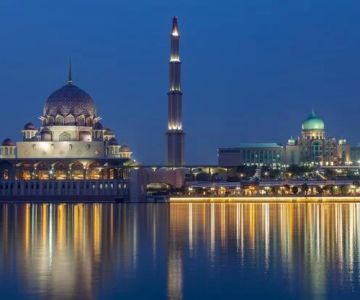
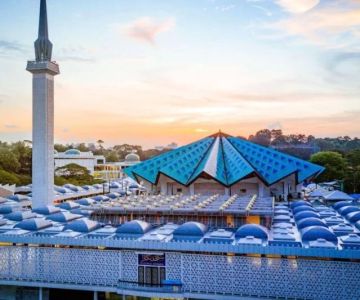
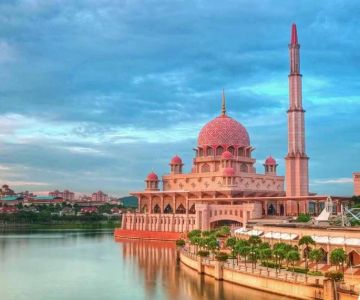
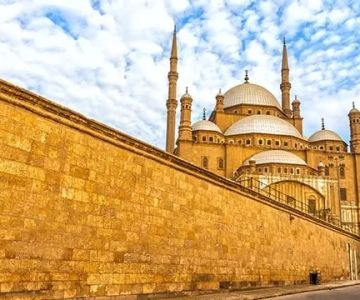
From the iconic blue domes of Putra Mosque to the modern elegance of floating mosques along the coast, architecture became a visual narrative of spiritual meaning. Domes symbolized the heavens, while minarets stood as vertical reminders of devotion reaching skyward.
2. Light, Space, and Silence
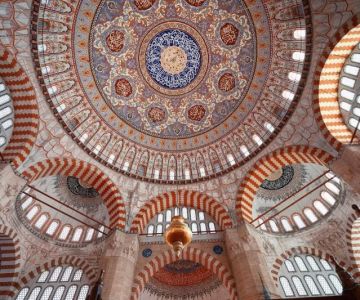
What struck me most was how light was used. Sunlight filtered through geometric windows, creating quiet patterns across prayer halls. These designs were not decorative alone—they directed attention inward.
What I learned visiting 10+ Malaysian mosques is that sacred architecture speaks without words. It teaches through proportion, symmetry, and intentional emptiness.
Encounters That Made the Experience Real
1. A Quiet Conversation After Evening Prayer
In Penang, an elderly man sat beside me after evening prayer. We spoke in slow, simple phrases. He asked where I was from. I asked how long he had been coming to this mosque. “All my life,” he said. His voice carried pride, not ownership.
That brief exchange taught me that mosques are not monuments frozen in time—they are places where entire life stories quietly unfold.
2. Children Learning Faith Through Play
In a smaller town mosque, children played gently in the courtyard before class. Their laughter echoed softly, reminding me that spirituality here is woven into everyday growth, not isolated from it.
Understanding Cultural Etiquette and Spiritual Awareness
1. Dress and Modesty as Respect
Covering shoulders, legs, and removing shoes felt less like a rule and more like participation in shared respect. Visitors were not excluded for mistakes, only gently corrected when needed.
2. Photography With Sensitivity
While many mosques allowed photography, I learned quickly that intentions mattered. Not every moment needed capturing. Sometimes the memory itself was enough.
What I learned visiting 10+ Malaysian mosques is that awareness outweighs rules. Sensitivity guides better than instruction.
How This Experience Changed My View of Travel
1. Travel as Observation, Not Consumption
Instead of collecting images, I began collecting understanding. Travel stopped being about how many locations I visited and started becoming about how deeply I listened to each place.
2. Spiritual Spaces as Cultural Gateways
These mosques opened doors to understanding Malaysian identity far more authentically than typical attractions. They revealed rhythms of daily life, values of humility, and the importance of community connection.
Planning Your Own Meaningful Mosque Journey in Malaysia
1. Choosing Cities and Regions
Major cities like Kuala Lumpur, Putrajaya, and Penang offer breathtaking architectural diversity, while smaller towns provide quieter, more intimate encounters.
2. Timing Your Visits Thoughtfully
Avoid peak prayer times unless invited to observe respectfully. Mid-morning visits often allow the most peaceful exploration without disruption.
3. Seeking Deeper Travel Guidance
Many travelers now turn to UAK Travel to help plan culturally immersive journeys that blend history, architecture, and authentic local experiences into one meaningful trip.
What I learned visiting 10+ Malaysian mosques is that faith is not only something people believe—it is something they live quietly every day. These sacred spaces taught me how architecture can express devotion, how strangers can become teachers, and how travel becomes richer when it shifts from sightseeing to understanding. If you ever step inside a Malaysian mosque with open eyes and quiet respect, you may find that it changes you in ways you never expected.
 Rest & Go0.0 (0 reviews)
 Homestay Masjid Hidayatul Muttaqin2.0 (6 reviews)
 Homestay Q Suite KL5.0 (5 reviews)
 Humairah Homestay @ IM85.0 (26 reviews)
 Seri Homestay3.0 (11 reviews)
 Ladang kelulut Voltan Agro5.0 (7 reviews)
 Exploring the Unique Designs of Mosques in Malaysia: A Journey Through Islamic Architecture
 Exploring the Architectural Beauty of Mosques in Malaysia: A Journey Through Islamic Architecture
 How to Get to the Famous Mosques in Kuala Lumpur by Public Transport: A Complete Travel Guide
 Visiting Malaysia’s Most Famous Mosques During Eid: A Unique Cultural Experience
 Top Mosques to Visit During Ramadan in Malaysia: A Traveler's Guide
 Discover the History of Masjid Titiwangsa in Kuala Lumpur: A Cultural and Architectural Gem