
- Overview of Mosque Tourism in Malaysia
- Economic Benefits of Mosque Tourism
- Cultural Impact of Mosque Tourism
- Challenges and Opportunities for Smaller Towns
- Real-Life Case Example of Mosque Tourism in Malaysia
1. Overview of Mosque Tourism in Malaysia
In recent years, mosque tourism has become an increasingly popular segment of Malaysia’s travel industry. Known for its rich Islamic heritage, Malaysia is home to many beautiful and historic mosques that attract both religious and cultural tourists. From the grand Sultan Abdul Samad Mosque in Kuala Lumpur to the serene mosque in the smaller town of Kampung Baru, Malaysia’s mosques offer unique architectural beauty and spiritual significance.
As more travellers seek cultural and religious experiences, mosque tourism provides an opportunity for smaller towns across the country to gain recognition and share their rich Islamic traditions with the world. This type of tourism not only boosts the local economy but also helps preserve and promote Malaysia’s Islamic heritage.
2. Economic Benefits of Mosque Tourism
One of the most significant advantages of mosque tourism is its ability to stimulate the local economy. Smaller towns in Malaysia, often overlooked by mainstream tourism, stand to benefit greatly from religious and cultural tourists visiting mosques. Here’s how mosque tourism can positively impact local economies:
2.1. Increased Revenue for Local Businesses
When tourists visit mosques in smaller towns, they also contribute to the local economy by spending money on lodging, food, and souvenirs. Hotels, restaurants, transport services, and local shops all see an increase in business. For example, local cafes and restaurants near mosques often experience a boost in customers during peak tourist seasons, providing an additional income stream for these businesses.
2.2. Job Creation
The rise of mosque tourism can also create new job opportunities for local residents. This includes positions in the hospitality industry, tour guides, drivers, and cultural centers. As the demand for mosque tourism grows, it will encourage the development of tourism-related infrastructure and services, which will require local employees to meet the needs of the visitors.
2.3. Investment in Infrastructure
As tourism grows in smaller towns, there is a natural demand for improved infrastructure. This includes better roads, public transport options, enhanced sanitation, and facilities that make it easier for tourists to explore the area. This infrastructure development can improve the overall quality of life for local residents, even after tourists have left.
3. Cultural Impact of Mosque Tourism
Beyond the economic benefits, mosque tourism has a significant cultural impact on smaller towns in Malaysia. It fosters cross-cultural exchange and promotes understanding between locals and international visitors. Here’s how mosque tourism positively impacts the cultural landscape:
3.1. Preservation of Islamic Heritage
Many mosques in smaller towns are historical landmarks that represent Malaysia’s rich Islamic cultural heritage. By attracting tourists, mosque tourism helps raise awareness about the importance of these mosques and encourages efforts to preserve them. Tourists who visit these religious sites are often interested in learning more about the cultural practices and history of Islam in Malaysia.
3.2. Promoting Interfaith Dialogue
When people from diverse backgrounds visit mosques, it promotes a greater understanding of Islam. Mosque tourism serves as an avenue for dialogue between different religious and cultural groups. Visitors often leave with a deeper appreciation for Malaysia’s cultural diversity, fostering an atmosphere of mutual respect and tolerance.
3.3. Encouraging Local Art and Craftsmanship
Many mosques feature exquisite Islamic art and architecture, which attracts those interested in Islamic culture and art. Local artisans can benefit from this demand by creating souvenirs and artwork related to the mosques, providing a platform for traditional craftsmanship. This not only supports the local economy but also helps keep cultural traditions alive.
4. Challenges and Opportunities for Smaller Towns
While mosque tourism offers numerous benefits, smaller towns face certain challenges in harnessing its full potential. However, these challenges can be turned into opportunities with the right strategies.
4.1. Limited Infrastructure
Many smaller towns may not have the infrastructure needed to accommodate large numbers of tourists, such as hotels, public transportation, and other amenities. This challenge can be overcome by gradually investing in the development of infrastructure to meet the needs of visitors while preserving the town’s charm.
4.2. Managing Tourism Impact
Another challenge for smaller towns is managing the environmental and social impacts of tourism. It is essential to strike a balance between encouraging tourism and maintaining the local community’s quality of life. Sustainable tourism practices, such as limiting the number of visitors to certain sites and promoting eco-friendly accommodations, can help mitigate these effects.
4.3. Leveraging Cultural Heritage for Economic Growth
Smaller towns have the opportunity to leverage their unique cultural and historical assets, such as mosques, to attract more tourists. By creating comprehensive cultural tourism packages that include guided tours, cultural performances, and local food experiences, smaller towns can provide visitors with a rich and authentic experience, while also boosting their local economy.
5. Real-Life Case Example of Mosque Tourism in Malaysia
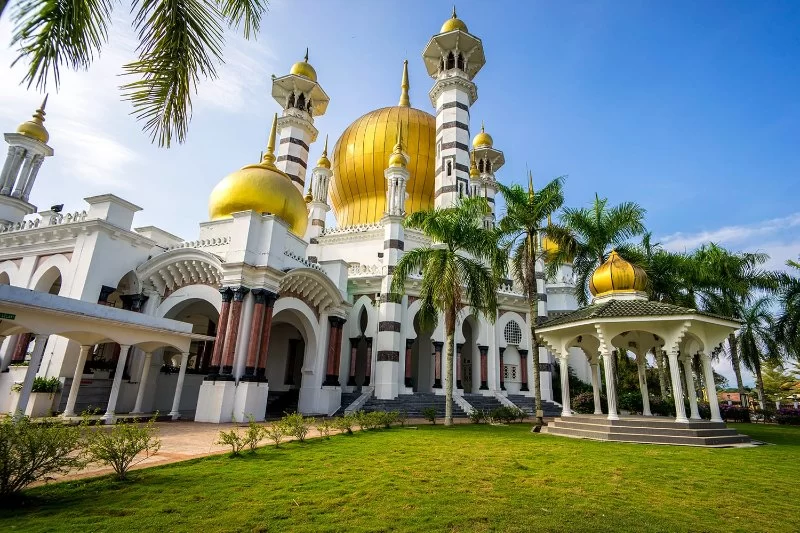
A great example of mosque tourism benefiting a smaller town in Malaysia is the town of Kuala Kangsar, known for its historic Ubudiah Mosque. This mosque, with its magnificent Mughal-style architecture, draws both domestic and international tourists. Over the years, the mosque has played a pivotal role in boosting the town’s tourism industry. Local businesses, such as cafes and souvenir shops, have flourished due to the influx of tourists, while the mosque itself has remained an important cultural landmark.
The success of Kuala Kangsar demonstrates how smaller towns in Malaysia can harness the power of mosque tourism to create sustainable economic growth while preserving and celebrating their cultural heritage. At UAK Travel, we specialize in offering curated travel experiences to destinations like Kuala Kangsar, providing opportunities for tourists to explore Malaysia's rich Islamic heritage while supporting local economies.
 Rest & Go0.0 (0 reviews)
 Homestay Masjid Hidayatul Muttaqin2.0 (6 reviews)
 Homestay Q Suite KL5.0 (5 reviews)
 Humairah Homestay @ IM85.0 (26 reviews)
 Seri Homestay3.0 (11 reviews)
 Ladang kelulut Voltan Agro5.0 (7 reviews)
 Exploring the Unique Designs of Mosques in Malaysia: A Journey Through Islamic Architecture
 Exploring the Architectural Beauty of Mosques in Malaysia: A Journey Through Islamic Architecture
 How to Get to the Famous Mosques in Kuala Lumpur by Public Transport: A Complete Travel Guide
 Visiting Malaysia’s Most Famous Mosques During Eid: A Unique Cultural Experience
 Top Mosques to Visit During Ramadan in Malaysia: A Traveler's Guide
 Discover the History of Masjid Titiwangsa in Kuala Lumpur: A Cultural and Architectural Gem