
- why-some-mosques-feel-more-spiritual-than-others
- architecture-location-and-community-atmosphere-in-malaysia
- spirituality-in-mosques-malaysia
- mosque-architecture-and-spirituality
- community-atmosphere-in-mosques-malaysia
Why Some Mosques Feel More Spiritual Than Others: Architecture, Location, and Community Atmosphere in Malaysia
Mosques are more than just places of worship—they are spaces where people connect with their faith and their community. In Malaysia, the spiritual atmosphere of a mosque can vary greatly depending on its architecture, location, and the overall sense of community. Some mosques radiate an undeniable sense of peace and connection, while others might feel more ordinary. But what is it that makes certain mosques feel more spiritual than others?
In this article, we will explore the different elements that contribute to the unique spiritual experience offered by mosques in Malaysia. We will look at how architectural design, location, and community atmosphere all play crucial roles in creating a mosque that feels truly spiritual.
The Role of Architecture, Location, and Community Atmosphere
Architecture: The Physical Expression of Faith
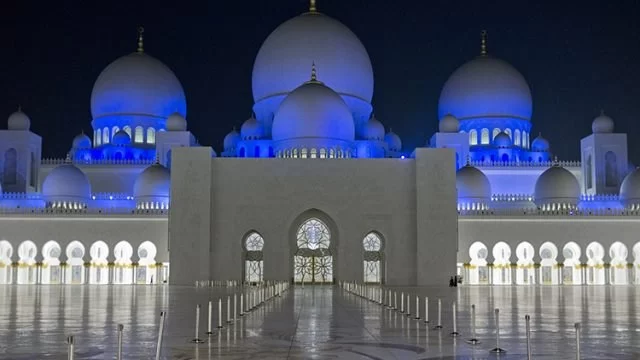
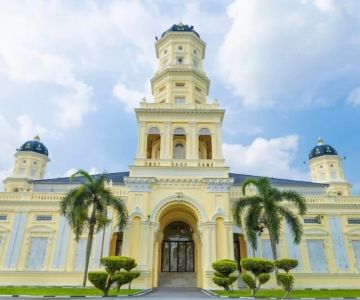
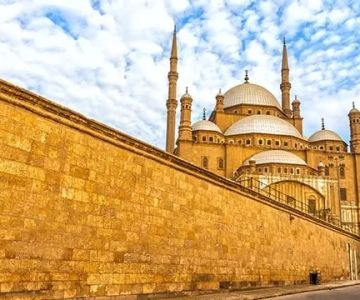
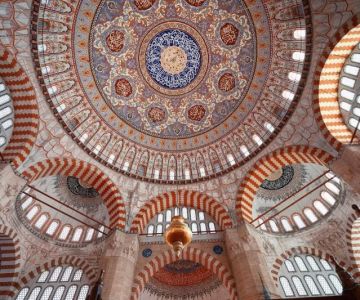
The architectural design of a mosque plays a pivotal role in its overall spiritual atmosphere. In Malaysia, mosques are known for their beautiful Islamic architecture, which blends traditional styles with modern elements. High domes, tall minarets, intricate calligraphy, and ornate tile work are all common features that can create a sense of awe and reverence.
But it’s not just about aesthetics. The design of the mosque also considers the flow of space and light. Many mosques are designed with open courtyards, which help create a sense of serenity and tranquility. Natural light flowing through large windows or skylights also adds to the calming effect of the space. The spaciousness and layout of a mosque can make the worshippers feel a deeper connection with their faith.
Location: The Mosque's Relationship with Its Surroundings
The location of a mosque plays an equally important role in shaping its spiritual environment. A mosque situated in a peaceful, natural setting with green surroundings will often feel more serene and conducive to prayer. For example, mosques located near mountains or waterfronts tend to offer a more tranquil atmosphere, allowing worshippers to feel connected to both their faith and nature.
In contrast, mosques located in busy urban areas might experience distractions from the hustle and bustle of city life. However, even in these locations, the mosque's interior and community atmosphere can work together to create a peaceful sanctuary amidst the chaos.
Community Atmosphere: The Power of People
One of the most significant factors that can make a mosque feel more spiritual is the sense of community within its walls. The feeling of unity and togetherness among worshippers can greatly enhance the spiritual experience. In many mosques, the sense of brotherhood and sisterhood is palpable, with people of all ages coming together for prayer, discussions, and social events.
A mosque with a vibrant, active community is often filled with warmth, kindness, and mutual respect. Events such as lectures, religious classes, and social gatherings contribute to creating an inclusive and welcoming environment. This strong sense of community can help individuals feel more connected to their faith and to one another, making the spiritual experience more meaningful.
Spirituality in Mosques in Malaysia: Case Studies
Case Study 1: The National Mosque of Malaysia (Masjid Negara)
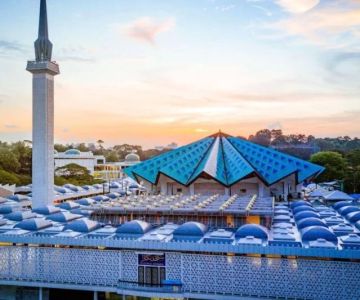
One of the most famous mosques in Malaysia is Masjid Negara, located in Kuala Lumpur. This mosque is known for its striking modern architecture, with a large, open prayer hall surrounded by a beautiful garden and tranquil pools. The mosque’s unique design, with its 18-pointed star-shaped roof, creates a sense of grandeur and spiritual elevation.
The spaciousness and the use of light in the design contribute to a calm and reflective atmosphere, making it an ideal space for worship. The mosque’s location in the heart of the city, while busy, offers a peaceful escape from the urban noise, allowing worshippers to find solitude and focus in their prayers.
Case Study 2: The Sultan Salahuddin Abdul Aziz Mosque
The Sultan Salahuddin Abdul Aziz Mosque in Shah Alam is another prime example of a mosque that blends architectural beauty and spirituality. Often referred to as the Blue Mosque due to its stunning blue dome, this mosque is an architectural masterpiece that combines both traditional Islamic and modern elements. The mosque's vast prayer hall and the presence of nature through its surroundings create a deeply spiritual atmosphere.
The mosque’s location in a quieter area, away from the city’s hustle, adds to its serene environment, allowing worshippers to feel a closer connection to their faith. The mosque’s community programs, including educational initiatives and social services, also help create a sense of belonging among its visitors.
How Mosque Architecture Influences Spirituality
The Psychological Effects of Mosque Design
The design of a mosque can have a profound psychological effect on those who enter it. The presence of high ceilings, expansive spaces, and large windows can evoke feelings of awe and reverence. Architectural features like arches, minarets, and domes are not just decorative but serve to elevate the spiritual experience by symbolizing the vastness and majesty of Allah.
The layout of the prayer hall, with the mihrab (prayer niche) facing Mecca, is designed to orient worshippers spiritually. This purposeful arrangement enhances focus during prayer and serves as a reminder of the importance of spiritual direction.
Sound and Light in Mosque Architecture
The acoustics and lighting within a mosque also play a role in creating a spiritual atmosphere. The use of soft, ambient lighting, often with intricate patterns, enhances the sense of peace and reflection. The sound of the call to prayer (adhan) echoing throughout the mosque can create a deep sense of connection with the divine, reminding worshippers of the presence of Allah.
Creating a Spiritual Community in Mosques
The Importance of Congregational Worship
One of the key aspects of mosque spirituality is the sense of community that is fostered through congregational worship. The act of praying together with fellow Muslims helps build solidarity and unity, strengthening the spiritual bond between individuals and their faith.
Mosques that regularly host community activities, such as religious talks, charity work, and social events, create a vibrant and supportive atmosphere. This sense of togetherness can make the experience of worship feel more personal and meaningful, encouraging individuals to return regularly.
Whether you're seeking a spiritual connection or a deeper understanding of mosque architecture, UAK Travel offers a range of experiences that can help you explore Malaysia's mosques and their unique atmospheres. Through guided tours and insights, you can immerse yourself in the spiritual beauty of these sacred spaces.
 Rest & Go0.0 (0 reviews)
 Homestay Masjid Hidayatul Muttaqin2.0 (6 reviews)
 Homestay Q Suite KL5.0 (5 reviews)
 Humairah Homestay @ IM85.0 (26 reviews)
 Seri Homestay3.0 (11 reviews)
 Ladang kelulut Voltan Agro5.0 (7 reviews)
 Exploring the Unique Designs of Mosques in Malaysia: A Journey Through Islamic Architecture
 Exploring the Architectural Beauty of Mosques in Malaysia: A Journey Through Islamic Architecture
 How to Get to the Famous Mosques in Kuala Lumpur by Public Transport: A Complete Travel Guide
 Visiting Malaysia’s Most Famous Mosques During Eid: A Unique Cultural Experience
 Top Mosques to Visit During Ramadan in Malaysia: A Traveler's Guide
 Discover the History of Masjid Titiwangsa in Kuala Lumpur: A Cultural and Architectural Gem