
A Beginner’s Guide to Malaysian Mosque Terminology — Dome, Minaret, Prayer Hall and More
When traveling through Malaysia, you’ll likely come across its beautiful mosques, each with their unique architectural style and cultural significance. Whether you're a first-time visitor or a seasoned traveler, understanding the key components of mosque architecture will enhance your appreciation of these stunning structures. In this beginner’s guide, we’ll explore essential Malaysian mosque terminology, focusing on elements like domes, minarets, and prayer halls, among others.
Why Mosque Architecture Is Significant in Malaysia
Malaysia is known for its rich cultural diversity, with Islam being the country’s predominant religion. As such, mosques in Malaysia are not just places of worship but also showcase remarkable architectural styles that combine traditional Islamic design with local influences. The beauty of Malaysian mosques lies in their ability to blend cultural heritage with religious symbolism, often using local materials like stone, wood, and marble.
For instance, the Sultan Salahuddin Abdul Aziz Mosque in Shah Alam is known for its large dome and minaret, both iconic elements of mosque architecture. Understanding the terminology behind these features allows visitors to better connect with the cultural and historical contexts of the mosques they visit.
Key Terms in Malaysian Mosque Architecture
Here are some of the essential terms you’ll encounter when visiting mosques in Malaysia:
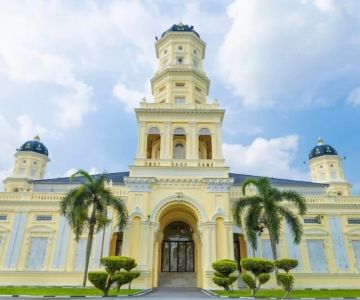
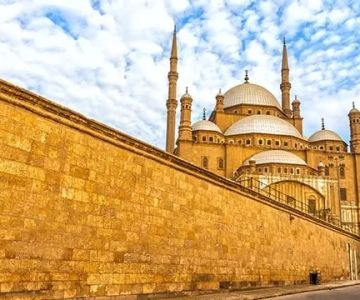
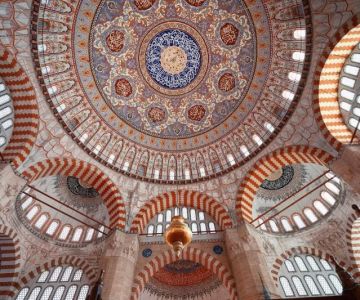
- Dome (Kubah): One of the most recognizable features of a mosque, the dome symbolizes the vault of heaven. In Malaysian mosques, the dome often features intricate designs and is made from local materials. The Dome of the National Mosque in Kuala Lumpur is a prominent example, with its striking blue color and geometric patterns.
- Minaret (Menara): The minaret is a tall tower from which the call to prayer (adhan) is announced. In many Malaysian mosques, the minaret is an architectural focal point, often rising above the building’s roofline. For example, the minaret of the Putra Mosque in Putrajaya is a stunning 116-meter structure that complements the mosque’s beauty.
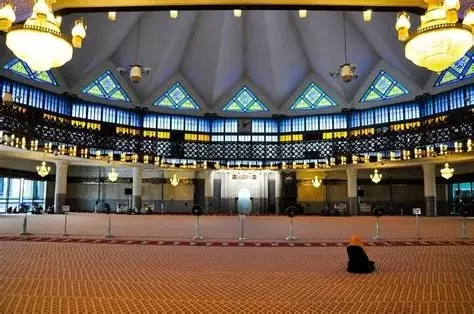
- Prayer Hall (Ruang Solat): This is the main area where worshippers gather to pray. The prayer hall is usually spacious, with simple yet elegant design elements that help create a serene environment. Many mosques in Malaysia feature prayer halls adorned with intricate calligraphy, decorative tiles, and wooden carvings that reflect Islamic art and culture.
- Mihrab: The mihrab is a niche in the wall of the prayer hall that indicates the direction of Mecca, which Muslims face during prayer. This is one of the most important elements in the mosque, as it ensures that worshippers align themselves correctly for prayer.
- Courtyard (Halaman): Many Malaysian mosques include a large open courtyard. The courtyard often serves as a peaceful gathering space for reflection or community events. It is also common to see fountains and greenery, enhancing the tranquil atmosphere of the mosque.
Examples of Mosques with Iconic Design Elements
Several mosques in Malaysia stand out for their architectural beauty and the way they incorporate traditional design elements. For example, the Masjid Negara (National Mosque) in Kuala Lumpur features a stunning 16-pointed star-shaped dome, symbolizing the 13 states of Malaysia and the Federal Territory. The mosque’s minaret, rising 73 meters, is one of the tallest in the country and an iconic symbol of Malaysia’s Islamic identity.
Another remarkable mosque is the Al-Sultan Abdul Aziz Shah Mosque in Selangor, also known as the Blue Mosque. It features an impressive blue dome and four minarets that are among the tallest in the region. The mosque’s design combines contemporary elements with traditional Islamic architecture, showcasing Malaysia’s modern approach to religious and cultural architecture.
Cultural Influence on Mosque Design in Malaysia
Malaysia’s mosque architecture is deeply influenced by both Islamic traditions and local cultures. While traditional mosque elements like domes and minarets remain essential, the design often reflects the country’s multicultural heritage. For instance, the use of local materials, such as timber and stone, is common in many mosques across the country, ensuring that each mosque is unique while still following Islamic principles of design.
Additionally, mosques in Malaysia often incorporate elements of Malay and Moorish styles, such as decorative tiles and intricate carvings, that make the architecture distinctly local. This fusion of cultural influences contributes to the vibrancy and richness of Malaysian mosque design, making each one an important cultural landmark.
How UAK Travel Can Enhance Your Mosque Tour Experience
If you’re planning to visit some of Malaysia’s most iconic mosques, UAK Travel offers specialized tours that focus on the cultural and architectural beauty of these religious structures. Our guided tours will help you understand the terminology and significance of each architectural feature, enriching your travel experience and providing a deeper connection to the local culture.
Whether you’re visiting the majestic Sultan Salahuddin Abdul Aziz Mosque or the peaceful Putra Mosque, UAK Travel ensures that your journey is both educational and awe-inspiring. Book a tour with us today and explore the beauty of Malaysia’s mosques through the lens of history and culture.
Conclusion
Understanding the key elements of Malaysian mosque architecture is an excellent way to enhance your travel experience. From the towering minarets to the serene prayer halls, each component of a mosque has deep cultural and religious significance. As you explore Malaysia’s mosques, take time to appreciate the craftsmanship and design that reflect the country’s rich Islamic heritage. Whether you are a first-time visitor or a seasoned traveler, UAK Travel can help you make the most of your journey by offering insightful tours of these beautiful structures.
 Rest & Go0.0 (0 reviews)
 Homestay Masjid Hidayatul Muttaqin2.0 (6 reviews)
 Homestay Q Suite KL5.0 (5 reviews)
 Humairah Homestay @ IM85.0 (26 reviews)
 Seri Homestay3.0 (11 reviews)
 Ladang kelulut Voltan Agro5.0 (7 reviews)
 Exploring the Unique Designs of Mosques in Malaysia: A Journey Through Islamic Architecture
 Exploring the Architectural Beauty of Mosques in Malaysia: A Journey Through Islamic Architecture
 How to Get to the Famous Mosques in Kuala Lumpur by Public Transport: A Complete Travel Guide
 Visiting Malaysia’s Most Famous Mosques During Eid: A Unique Cultural Experience
 Top Mosques to Visit During Ramadan in Malaysia: A Traveler's Guide
 Discover the History of Masjid Titiwangsa in Kuala Lumpur: A Cultural and Architectural Gem