

The Role of Mosques in Malaysian Urban Planning — A Look at KL, Putrajaya, and New Towns
1. Introduction
In Malaysia, mosques are not just religious centers; they are pivotal landmarks in the urban landscape. As the country continues to develop, the role of mosques in urban planning becomes more pronounced. From bustling cities like Kuala Lumpur (KL) to planned cities like Putrajaya and newly developed towns, mosques serve as community hubs, spiritual sanctuaries, and social focal points. This article delves into how mosques are integrated into urban planning in Malaysia, particularly in the cities of KL, Putrajaya, and emerging towns, and why they hold such significance in shaping the urban environment.
2. Mosques in Kuala Lumpur: The Heartbeat of the City
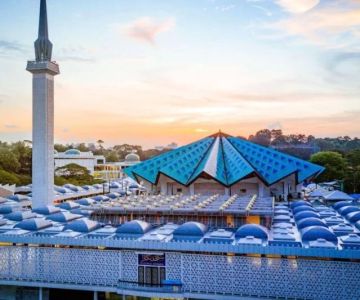
Kuala Lumpur, Malaysia's capital, is a city where tradition and modernity coexist. Here, mosques are strategically placed not just to serve the religious needs of the population, but also to contribute to the cultural and architectural identity of the city. Mosques like the National Mosque (Masjid Negara) are not only places of worship but also symbols of Malaysia’s Islamic heritage. Located in the heart of KL, these mosques are landmarks that shape the city's skyline and create spaces for community gathering, offering a peaceful retreat from the fast-paced urban life.
2.1. Integration of Mosques with Urban Infrastructure
In KL, urban planners ensure that mosques are easily accessible to large residential areas, office complexes, and even public transportation hubs. The location of mosques within these urban zones ensures that they are at the heart of the city's daily activities. The design of mosques in KL also takes into account the need for modern facilities, such as community halls, educational spaces, and multi-purpose rooms, allowing these religious centers to serve not just as places of worship but also as community centers for social and cultural activities.
3. Putrajaya: A Purpose-Built City with Mosques at Its Core
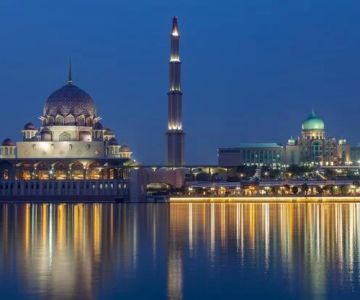
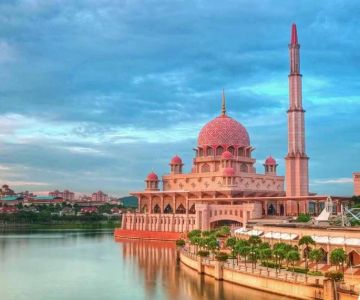
Putrajaya, Malaysia's administrative capital, offers a unique example of how mosques are integral to the city's layout and planning. The city was meticulously designed to incorporate Islamic architectural elements, and mosques play a central role in this vision. The Putra Mosque, with its distinctive pink dome, is not just a religious structure but a symbol of Malaysia's Islamic identity. It is strategically located near government buildings, reflecting the importance of Islam in the country’s administration and daily life.
3.1. The Symbolic Role of Mosques in Putrajaya
In Putrajaya, mosques are symbolic of the city’s overarching vision. They are not just places of worship, but also architectural masterpieces that showcase the country’s commitment to preserving its Islamic heritage while embracing modernity. Mosques like the Putra Mosque are designed with serene surroundings, creating an environment conducive to reflection and peace, important for both the residents and the government officials who work in the city. They act as spiritual landmarks and reflect the nation’s religious and cultural values.
4. New Towns: A New Era of Mosque Integration
As Malaysia continues to develop new urban areas, the integration of mosques into the fabric of new towns has become an essential aspect of urban planning. In these new towns, mosques are carefully designed to cater to growing populations while preserving the essence of Islamic culture. The inclusion of green spaces, modern amenities, and efficient transportation links ensures that these mosques are both accessible and practical for their communities.
4.1. Mosque Design in New Towns
In new towns, mosques are typically planned with an eye toward sustainability and community engagement. They are often located at central locations, easily accessible from different parts of the town, ensuring that they become integral parts of daily life. These mosques are designed to accommodate a variety of activities, from religious services to social events, and are often accompanied by community centers, parks, and recreational areas. This approach not only meets the religious needs of the population but also fosters a sense of community and belonging.
4.2. The Role of Mosques in Social Integration
New towns in Malaysia, especially those near urban centers, are becoming increasingly multicultural. In such diverse settings, mosques play an essential role in social integration by providing spaces for cultural exchange and community activities. These mosques, through their architecture and social programs, become places where people from different backgrounds can come together, fostering social cohesion and unity within the urban environment.
5. The Impact of Mosques on Community Life
Beyond their religious significance, mosques in Malaysian urban planning serve as vital centers for community engagement. They are places where people gather not only for prayers but also for social activities, charity events, and educational purposes. Mosques are central to the social fabric of Malaysian society, offering a space where families can participate in religious and social events, strengthening community bonds.
5.1. Providing Educational and Social Services
Many mosques in urban Malaysia are also equipped with schools, daycare centers, and welfare services. These services extend beyond religious education, offering critical support to local communities. For instance, mosques often serve as venues for adult education programs, health screenings, and job training, providing essential services that contribute to the welfare of the community.
6. Conclusion
The role of mosques in Malaysian urban planning is multifaceted, influencing not only the religious but also the cultural, social, and architectural landscape. From the iconic mosques in Kuala Lumpur to the purpose-built structures in Putrajaya and the new town developments, mosques are an integral part of the country's urban growth. They represent the nation’s commitment to balancing modernity with tradition, offering both spiritual and social benefits to the communities they serve. As Malaysia continues to grow, the importance of well-planned, accessible mosques will only increase, contributing to the country’s harmonious urban development.
 Widebed Short Stay @ Icon City PJ3.0 (4 reviews)
 Intime Hotel3.0 (187 reviews)
 Hong Thai Hardware Sdn Bhd4.0 (9 reviews)
 Kopi Ais Mamu Kuala Selangor0.0 (0 reviews)
 Surau Taman Kenari4.0 (13 reviews)
 YulisHomespa5.0 (4 reviews)
 Exploring the Unique Designs of Mosques in Malaysia: A Journey Through Islamic Architecture
 Exploring the Architectural Beauty of Mosques in Malaysia: A Journey Through Islamic Architecture
 How to Get to the Famous Mosques in Kuala Lumpur by Public Transport: A Complete Travel Guide
 Visiting Malaysia’s Most Famous Mosques During Eid: A Unique Cultural Experience
 Top Mosques to Visit During Ramadan in Malaysia: A Traveler's Guide
 Discover the History of Masjid Titiwangsa in Kuala Lumpur: A Cultural and Architectural Gem